



The Johnson & Johnson vaccine pause means Connecticut will see its weekly allotment shrink from 288,000 to 179,000 doses.
Lamont: The bigger vaccine risk is not to take it

Posted inPolitics
Feds will not be placing migrant children in Connecticut
The closed Juvenile Training School had been under consideration as a shelter

Posted inNews
His reward for civic heroism during the pandemic: a $16,000 tax bill

A Mansfield teacher raised some $41,000 to feed families during the pandemic. To the IRS it was “personal income.”
Posted inPolitics
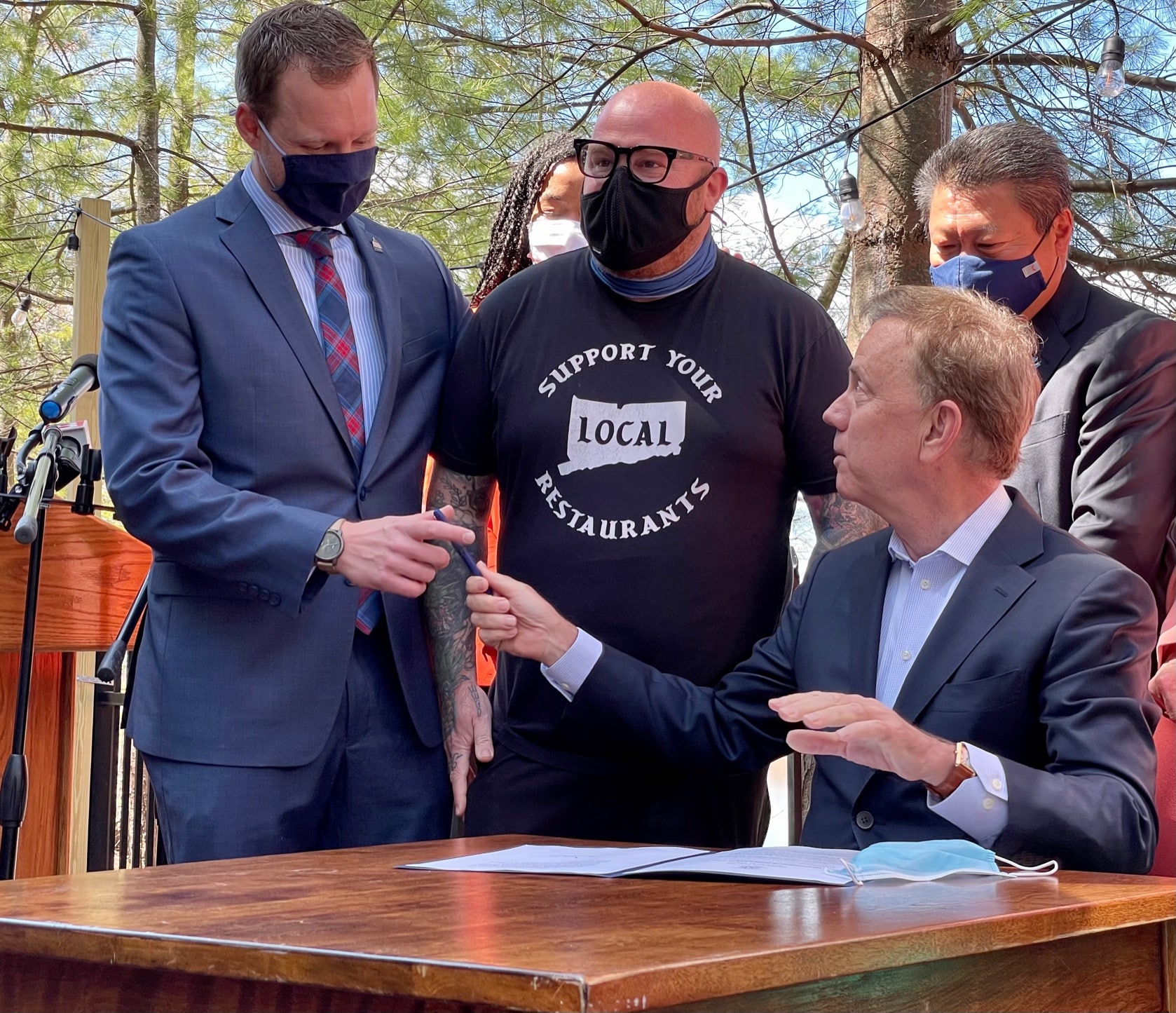
Lamont closed the restaurants. Now he is their promoter.
A year after Gov. Ned Lamont banned indoor dining due to COVID-19, the industry has welcomed him as its savior.

Posted inCT Viewpoints
A healthcare system too broken to fix

On March 25, the White house announced that it was going to invest over $6 billion in health centers that are funded through the Resources and Services Administration (HRSA) in order to expand COVID-19 vaccinations and other health services provided to vulnerable populations. As a chief medical officer for a health center that is strained to reach some of the most disenfranchised patient population in Hartford, this was great news. Yet there was a part of me that took the news with a deep concern. Why you might ask?
Posted inCT Viewpoints
The Connecticut Juvenile Training School and the lie that built it

Sitting in the paddy wagon, I was afraid – maybe apprehensive was a better word, since I rightly suspected that white privilege would guarantee me good treatment. Still, I said a prayer of thanksgiving. After years of advocating for people in our carceral system, I was given a chance to develop more empathy.

Posted inCT Viewpoints
Data on race, ethnicity and language is critical to making real healthcare progress
There are significant disparities in health status based upon race, ethnicity, and other factors that deprive many Connecticut residents of an equal opportunity to enjoy good health and well-being. That some Connecticut residents live without proper treatment of illness and injury due to disparities in health care access, affordability, and outcomes based upon race, ethnicity, and language (REL) is self-evident to many but not to all.

Posted inJustice
CT lawmakers call for funding to stop ‘mass killing’ of Black and brown children

Lawmakers identified a $5 billion proposal by the Biden administration, and marijuana and sports-betting legalization efforts, as potential funding.
Posted inPolitics
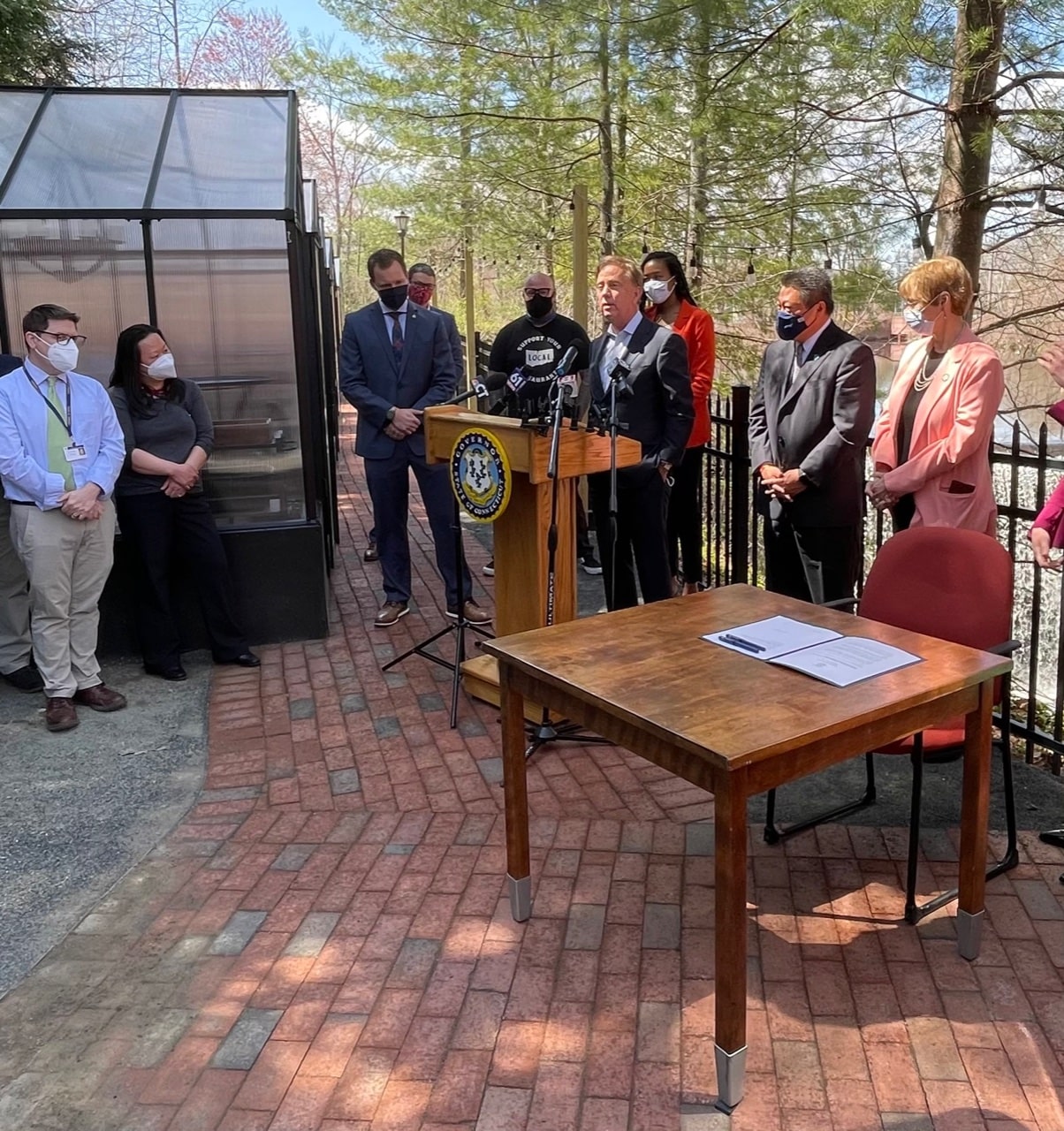
Lamont faults CDC on J&J vaccine pause: ‘I would have handled it differently’
Gov. Ned Lamont and other governors expressed dismay to the White House over pausing the Johnson & Johnson vaccine.

Posted inNews
Strikes possible at more than 50 CT nursing homes this spring

Battered by the pandemic, low-paid workers and cash-strapped nursing homes ask state for help

Posted inHealth
The J&J vaccine: What we know, what we don’t know, and where we go from here

Officials ‘paused’ administration of the vaccine on Tuesday

Posted inMoney
A little-known technical bill could be the key to more money for core programs
Appropriations Committee leaders have a new strategy to more pump state dollars into education, social services and health care.
Posted inStudent Voice
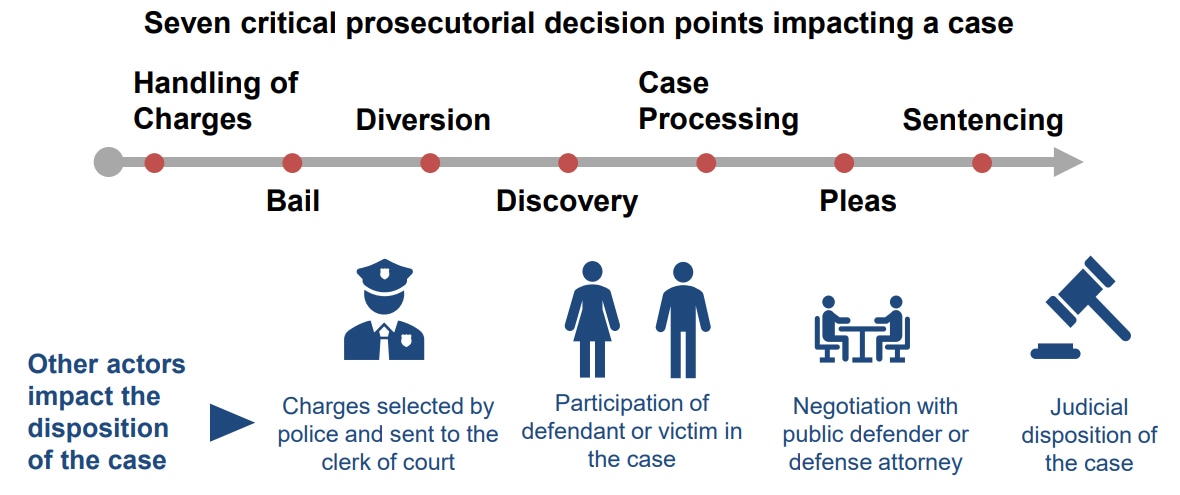
SB 1018: Connecticut’s effort to increase prosecutorial accountability and why it will not work
Senate Bill 1018 does not solve Connecticut’s largest criminal justice problem: outcomes for crime victims and defendants vary based on zip codes because judicial districts operate independently of one another.

Posted inCT Viewpoints
Debunking the CBIA’s takedown of the public option healthcare bill
I am writing to those struggling to defend the public option healthcare plan, under the burden of a mass of disinformation put out by the Connecticut Business and Industry Association (CBIA). The latest version of the Public Option (SB 842) will offer a state-run healthcare package to small businesses, individuals, and not-for-profits.
Posted inCT Viewpoints
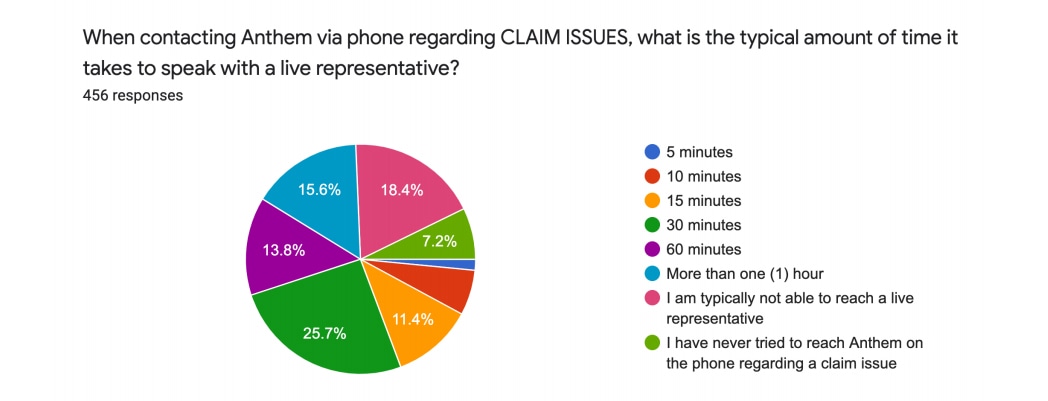
A crisis and complaint about Anthem mental healthcare coverage
We write on behalf of the Mental Health Clinicians Action Network of Connecticut (MHCAN-CT), a multidisciplinary group of mental health professionals aiming to improve access to mental health care by bridging the gaps between clients, clinicians in private practice, legislators, governing bodies, and insurance companies. Since the COVID-19 pandemic, we have been advocating for permanent pay parity for telehealth services as well as more power to hold insurance companies accountable for meeting the standard of care.