



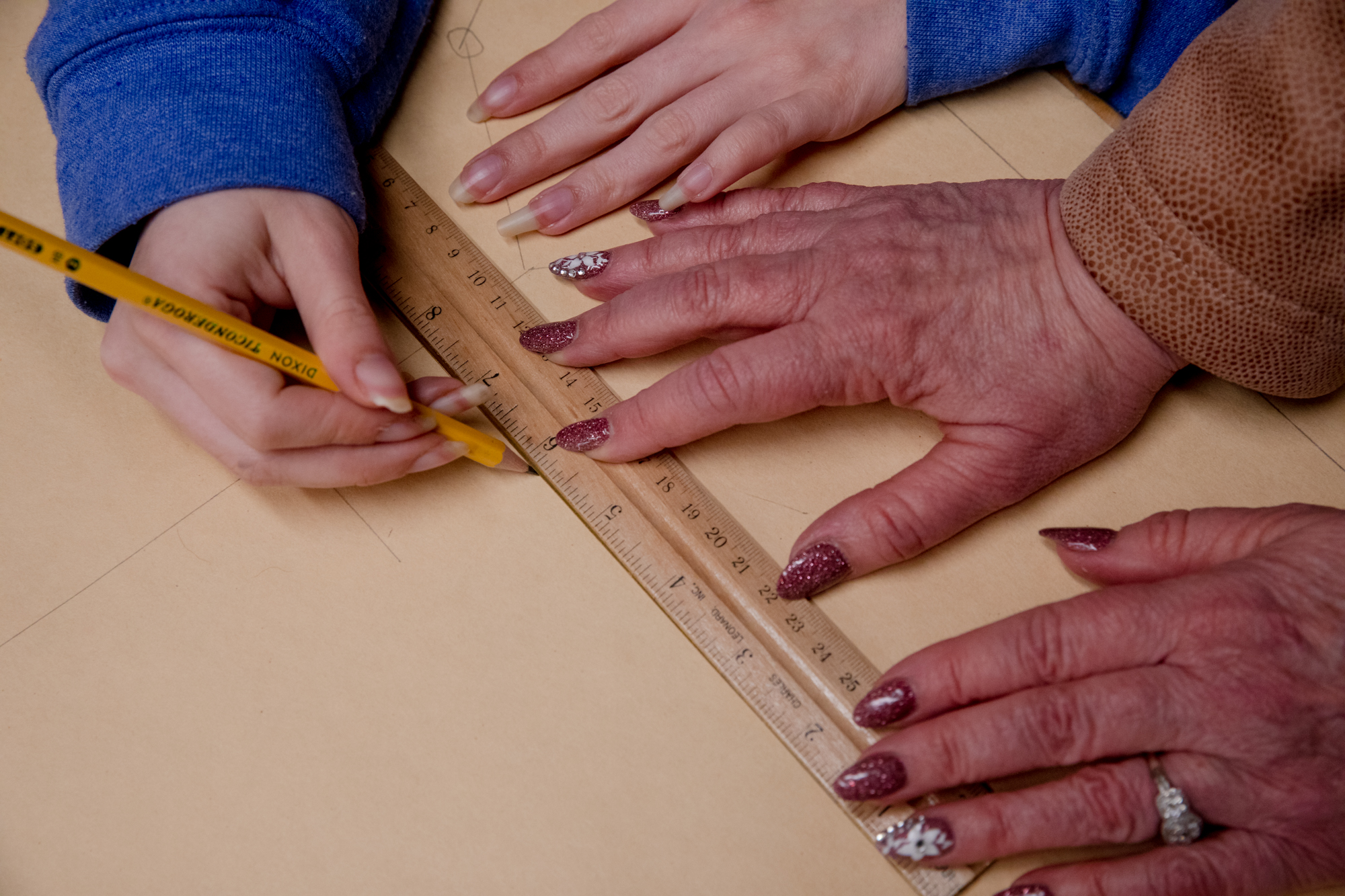
In the summer of 2023, I worked at a local elementary school in Massachusetts as a paraeducator for a girl who had cerebral palsy. She was in a wheelchair 24/7 and needed help eating, writing, and going to the bathroom. I was by her side from the minute she got on the bus to the minute she got off the bus. I helped her go up the elevator onto the bus and I strapped her wheelchair in. I helped her off the bus and into her classroom. I would wheel her to the bathroom and help her. I would help her write her answers to math worksheets, help with her physical therapy stretches, and help her get her lunch out.
She needed a paraeducator by her side at school because without one, she would not be able to do everything that the other students in her class could do. Her paraeducator is her motivator and is available whenever she needs something. This can help her feel like she is included in the regular classroom and makes her day so much easier.

A paraeducator is an educational assistant who does not need a degree in education but is hired to work with students who have Individualized Education Programs (IEPs). They do not provide direct instruction to the students, but they are often essential in assisting them in the learning environment.
Debra Phillips, a special education teacher in an elementary school in Massachusetts told me, “It is difficult to manage a classroom of 20 plus students without paraeducators. Some students need more assistance than others and that’s where paraeducators come in and help while the general education teacher leads the lesson.”

Paraeducators often redirect children who have ADHD, reteach, or remind students with executive functioning difficulties or children with Autism Spectrum Disorder, and if needed will write or read worksheets to children with dyslexia. Teachers cannot give one-on-one attention to every student so having paraeducators in the room allows those students with disabilities to get the attention they need.
Right now, schools across the nation are having a tough time filling paraeducator positions because they are being paid such a low salary. In Connecticut, paraeducators are making around $27,000 a year which is considered poverty level. By comparison, regular education teachers are making between $56,000 to $86,000.
Paraeducators are unable to pay their health care costs because they are not making enough money. Half of the paraeducators in CT do not take their district’s health insurance plan because they can find better health insurance somewhere else. 42% of paraeducators pay more than 11% of their salary toward healthcare premiums. I spoke with a paraeducator in a neighboring state, who said a deduction of $648 per paycheck must be taken out for health insurance. This forces her to work a second job after the school day to afford to live.
The state of CT announced in September that it is giving a one-time $5 million subsidy to thousands of paraeducators across the state for them to afford their health care costs this year. This measure was passed in the budget and 74% of paraeducators will be using the $5 million to pay their annual out-of-pocket health care costs. CT officials hope that giving paraeducators this subsidy will help paraeducators in the short term and keep them from leaving their jobs.
[RELATED: CT will help paraeducators pay health care costs with $5M subsidy]
Matt Ritter, who is a speaker at the House of Representatives, said that, “It is getting harder to be a paraeducator. It is harder to go to work every day and give those hugs to kids and show them love when at the same time you cannot afford your health benefits, or your pay is so low that you’re working a second or third job.” Legislators are trying to find a way to put in long-term solutions.
I believe that this should not be a one-time subsidy from the governor. This bill should be passed every single year, adjusted each year based on the cost of living. Paraeducators are important in school systems and without them some of our neediest students will not be getting the one-on-one or small-group attention they need to succeed in school. Paraeducators are very important in children’s lives and deserve to make more money so that they are not worrying about how they are going to pay their healthcare bills every month.
Macie Phillips is a senior at Sacred Heart University, majoring in Health Science on the pre-Occupational Therapy track.