



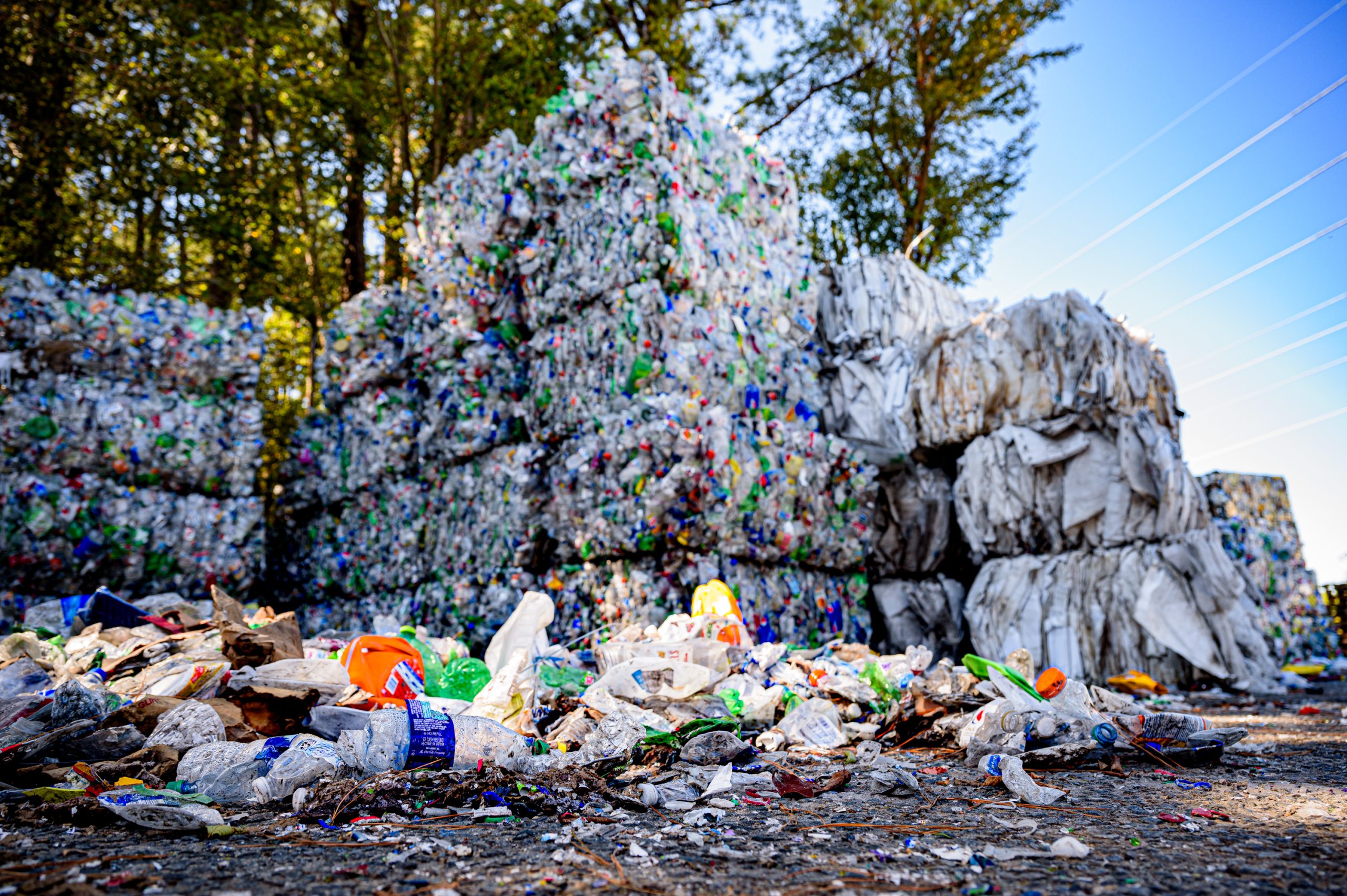
Representatives from over 160 countries met in Nairobi, Kenya last month to negotiate a treaty about something that will impact every person in our state: plastics.
Back in 2022, this cohort of nations committed to develop a legally binding agreement that would regulate the entire lifecycle of plastics from production to disposal by the end of 2024.
A so-called “Zero Draft” (a menu of policy options for representatives to consider) was hotly debated just weeks before the world’s attention turned to COP-28. Unfortunately, efforts to reach consensus were assailed with derailment attempts from fossil fuel lobbyists, waste picker associations, and countries with significant oil exports, like Russia and Saudia Arabia. Their counterproposal? Limit the treaty’s scope to focus on plastics’ end-of-life rather than full lifecycle, to allow for ongoing rampant production. Environmentalists and forward-thinking countries pushed back against this false compromise.
The negotiation ultimately ended in a stalemate.
A few facts about plastics to consider:
- Most plastics are made from crude oil or natural gas, both of which are fossil fuels accessed through destructive processes like drilling and hydrofracking.
- Plastics can leach chemicals like BPAs and PFAS that are linked to negative health impacts.
- In the United States, only about 5% of plastics are recycled. That falls considerably below the global figure of 9%, which is also not particularly encouraging.
- Plastics that end up as litter can take anywhere from 20 to 500 years to decompose — if they don’t first end up around a sea turtle’s neck or inside a bird’s stomach.
- Microplastics are everywhere. These tiny particles pollute our oceans, food, and drinking water. So much about their impact on human health is still unknown.
- The Great Pacific Garbage Patch is estimated to be 99% plastic.
Here’s why Connecticut should care. Of course, plastics are ubiquitous (you can surely find half a dozen plastic products in the room where you’re reading this) no matter where you live, but New England in particular is burdened with a waste crisis. All of our state’s landfills accepting municipal solid waste are closed, and our four remaining waste-to-energy incinerators are at the end of their 30-year lifespans.
The Connecticut Department of Energy and Environmental Protection estimates that 40% of our waste is shipped out of state, routinely as far as Pennsylvania and Ohio. Not only does this cause environmental justice issues and excessive diesel emissions, but hauling and disposal costs are skyrocketing. Municipalities and taxpayers are feeling the increasing strain year after year.
Building more recycling facilities or incinerators, even with innovative technology, is not the answer. Reducing the production and consumption of plastic is. Although the Nairobi session ended in gridlock, some environmentalists (like me) are optimistic about the next round slated to take place in Ottawa this coming April.
I urge Connecticut residents to pay attention to these global negotiations, even though they may seem distant. The world we leave behind for the next generation depends on it.
Christine O’Neill is as an environmental planner.