The housing and climate crises are knocking at the doors of Connecticut tenants.
High eviction rates, costly utility bills, and hazardous apartment conditions prevent tenants from living safely among these intersecting emergencies. In a rental market with limited tenants’ rights, the climate crisis adds a layer of precarity that makes housing stability even harder to come by.

We have already seen how periods of instability, like those caused by the COVID-19 pandemic and recent natural disasters, have led to sharp spikes in evictions, with eviction rates more than doubling in some cases. As disasters like flooding and hurricanes become more intense and more common in Connecticut, so too will housing instability.
Tenant protection laws — like the Just Cause eviction bill (SB 143) being considered by state legislators this month — can help deliver housing stability for Connecticut tenants in our changing climate.
[What are no-fault evictions and why is CT considering eliminating them?]
Climate change is bringing increased flooding and extreme weather to communities across the state, and just cause eviction protections will make it easier for tenants to stay housed after these disaster events. About 61 percent of Connecticut residents live in coastal areas at risk of dangerous floods. Projections also show that inland communities are also in harm’s way, including places like East Hartford where nearly half of households are renters and 41% of properties have severe flooding risk. Researchers have documented how landlords displace tenants in the wake of natural disasters. That same research finds tenant protections are a proven approach to stemming these evictions that governments can pass today.
Dangerous flooding in nearby states like Vermont has shown that many homeowners are just one flood away from being tenants. While Just Cause eviction would not directly help homeowners, it would give tenants the same benefits of housing stability that many homeowners already are afforded. In that sense, Just Cause eviction protection can help ensure that regardless of what happens to your home in the future, you have a right to stability.
What’s more, tenants in Connecticut desperately need repairs to make their homes climate resilient and better insulated. Tenants are paying more for utilities than ever before and are facing mounting problems associated with living in a state with the sixth oldest housing stock in the entire country. Homes are also the second largest fossil fuel emitter in the state.
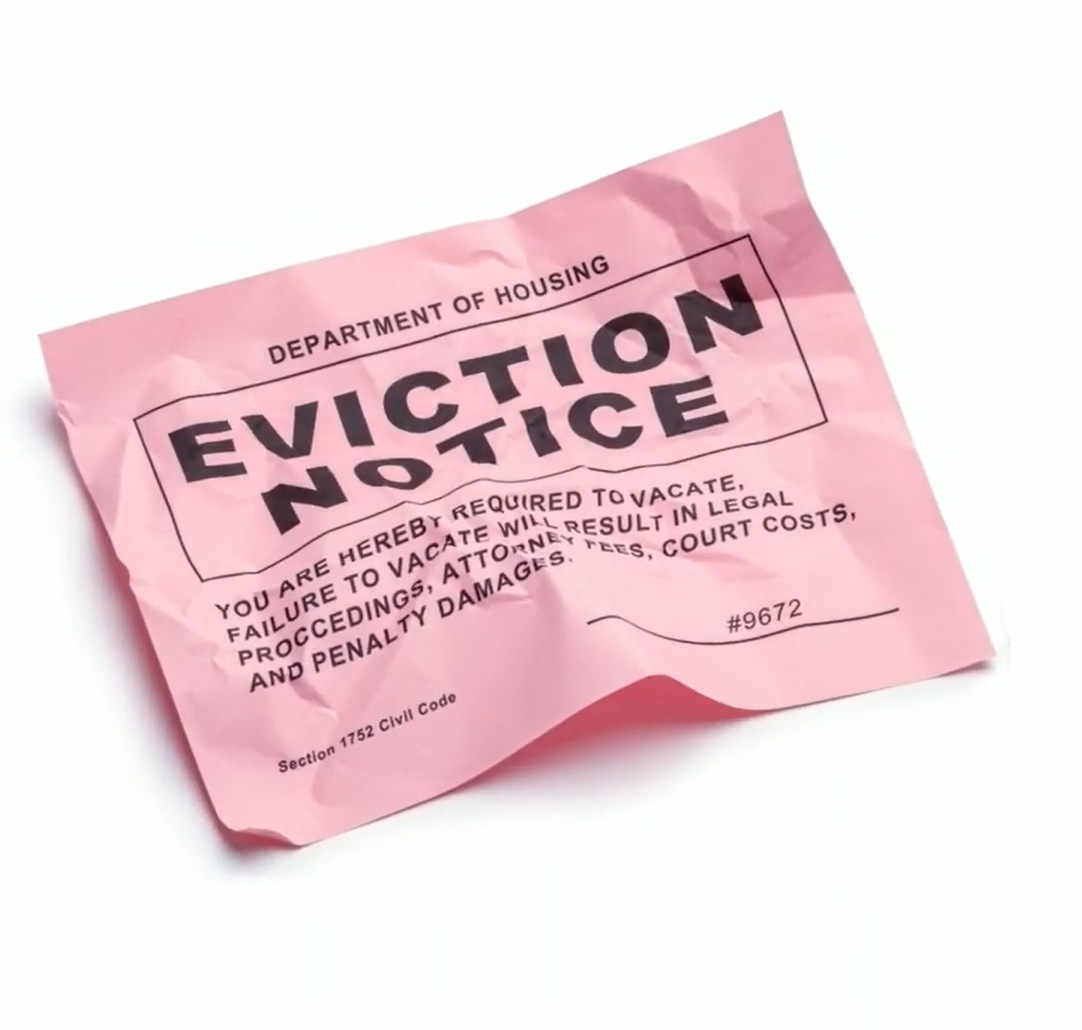
But requests to fix conditions issues are often met with retaliation from landlords. Just ask Michelle from the Connecticut Tenants Union, who recently testified in the CT Senate Housing Committee in support of Just Cause eviction legislation. After 38 days without hot water in her apartment, Michelle and her neighbors advocated for repairs, the landlord retaliated. Michelle got a no-fault eviction notice that left her fearing for her own housing stability.
An expansion of Just Cause eviction protection is especially needed to help ensure that sorely needed green investments can flow to renters this year without negative consequences. Connecticut is slated to receive about $100 million in federal funding for home energy improvements in the coming year through the Inflation Reduction Act. Just Cause protections will enable tenants to advocate for the repairs they need and join the fight to decarbonize our homes in a year where the funding is available to make significant progress, without fear of retaliation. As Yale researchers have documented, this is exactly the type of action that tenants see as a necessary tool for addressing energy justice in their homes.
Finally, Just Cause protections will give tenants a fairer shot at building the community roots they need to stay safe in our climate crisis. Research shows that knowing your neighbors and living in one place over time actually decreases chances of dying from extreme heat or being vulnerable during disasters. Just cause eviction legislation has the potential to immediately decrease the number of evictions statewide by 10 percent and be especially impactful for Black and brown communities on the frontlines of our climate crisis who are disproportionately evicted.
Just Cause protections are a step toward a Connecticut where everyone can live in affordable, resilient homes for generations, regardless of their income, age, or race. The majority of Connecticut residents want to see their elected officials take climate action and strengthen protections for tenants facing evictions. Expanding just cause eviction protections can deliver on both of these goals and help create a Connecticut where everyone can find stable housing.
Ruth Gourevitch of New Haven is the Housing Policy Manager at Climate and Community Project and a member of the Connecticut Tenants Union.