



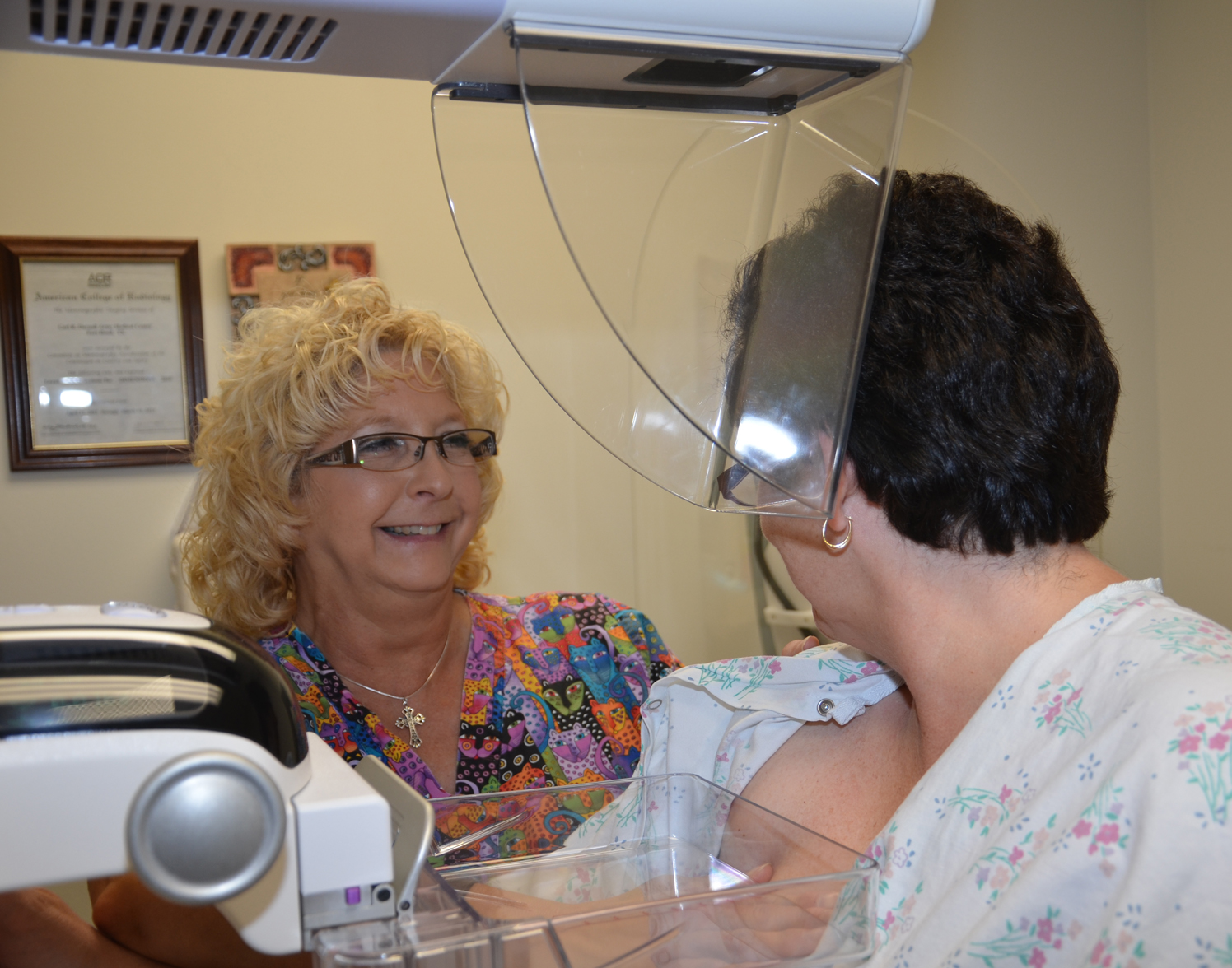
In Connecticut, women are fortunate to live in a state that places a strong emphasis on healthcare access and early detection. But despite these efforts, there are still significant barriers to accessing lifesaving services like mammograms—especially for those who are uninsured, underinsured, or who live in underserved communities. As a daughter whose mother was diagnosed with breast cancer, I can speak firsthand about the importance of early detection. My mom’s early diagnosis allowed her to start treatment at a critical stage, and today, she’s a living testament to the power of accessible, timely healthcare.

Mammograms, the most effective screening tool for early detection of breast cancer, are recommended for all women over the age of 40. Regular screening can identify breast cancer at its earliest stages, often before a lump is even detectable through self-examination. For women in Connecticut, having access to mammograms is not just a matter of healthcare; it’s a matter of life and death.
The Impact of Early Detection
Early detection of breast cancer makes all the difference. In my mom’s case, she was able to have her tumor found during a routine mammogram. It was discovered at a stage where the cancer was still small and localized, which allowed her doctors to treat it effectively and avoid the need for more invasive treatments. Her story, thankfully, is not unusual; studies show that early-stage breast cancers have a significantly higher survival rate than those diagnosed at later stages. When breast cancer is detected early, the five-year survival rate is 99%. But without access to regular screenings, many women miss the critical window for early intervention.
My mom’s success story is a direct result of having access to mammograms and screenings. I know that not all women have this same privilege, which is why it’s so important that we, as a community, work to ensure all women in Connecticut—regardless of income, geography, or background—have access to these lifesaving resources.
Programs Supporting Access to Mammograms in Connecticut

Connecticut is one of the states that has implemented several programs designed to make mammograms more accessible. Programs like The Connecticut Breast and Cervical Cancer Early Detection Program (BCCEDP) provide free or low-cost mammograms to eligible women who are uninsured or underinsured. This program, which is funded by both state and federal dollars, helps ensure that financial barriers do not prevent women from receiving timely screenings. Another important initiative is Connecticut’s Medicaid program, which covers the cost of mammograms for low-income women. This is critical because many women in the state, particularly those who are younger or from marginalized communities, often fall through the cracks when it comes to health insurance. Through Medicaid, women have access to screenings without worrying about the financial burden that can come with healthcare.
Additionally, Mobile Mammography Units have become an increasingly vital tool in ensuring that women in more remote or rural areas can receive breast cancer screenings. These units travel to underserved communities, reducing the barriers of distance and transportation for women who might otherwise have to travel far to access a clinic or hospital.
While these programs are a step in the right direction, it’s important to remember that public awareness is just as critical as access to the resources themselves. Many women still aren’t aware of the programs available to them, and some may not understand the importance of regular screenings, even if they do have access. Education campaigns, along with the continued expansion of these programs—are necessary to ensure that all women, especially those who are vulnerable, know about the availability of mammograms and take advantage of these resources.
Breaking Down Barriers
While Connecticut is making strides in increasing access to mammograms, barriers still remain. Many women face logistical challenges, such as transportation, work schedules, or childcare, which can prevent them from getting to a mammogram appointment. For others, there is a cultural stigma or fear associated with the screening. These barriers must be broken down, and one of the most effective ways to do so is through outreach, support, and education.
We need to continue to expand outreach efforts to communities that might not have access to the same healthcare resources as others. This means taking programs like the BCCEDP and mobile mammography units to even more neighborhoods and ensuring that these services are well-publicized and easy to access.
A Personal Call to Action
As someone who has watched a loved one battle breast cancer, I can’t stress enough how vital it is for women to get screened. Early detection can mean the difference between life and death, and Connecticut has made significant strides in ensuring that women have the tools and resources to take control of their health. But there is still work to be done. For me, my mom’s early diagnosis was a gift—one that allowed us to fight back against breast cancer together. I want every woman in Connecticut to have that same opportunity. Early detection is not just a medical procedure; it’s a lifeline. Let’s make sure every woman in Connecticut has access to that lifeline.
Emma Whitehead is a junior at Sacred Heart University, majoring in Health Science (Public Health concentration) on the Accelerated Nursing track.