



An 18-year-old graduate of Hartford Public High School is suing the school district, claiming the district never taught her to read or write. As a student with a disability, she claims she was neglected by staff and denied proper services, resulting in an insufficient education and emotional damage.

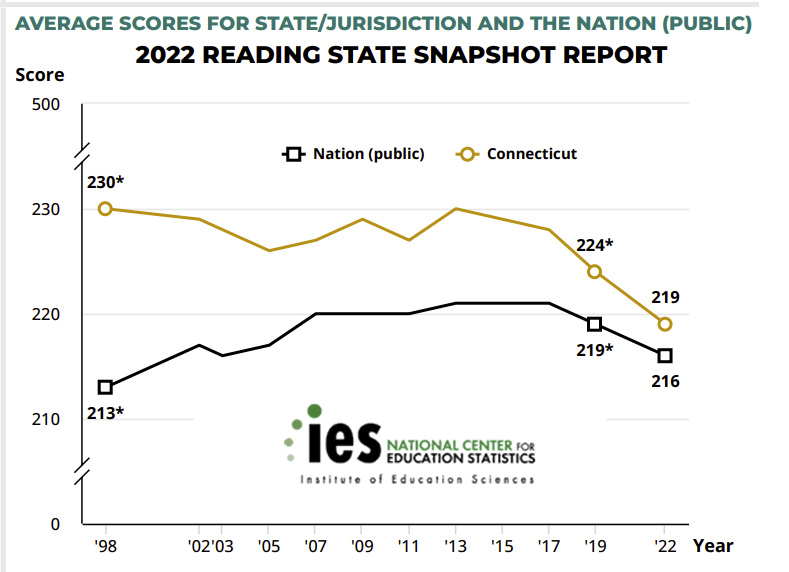
Though this is just one example, she is not the only child in Connecticut whose education is inadequate. Since the COVID-19 pandemic, children’s literacy in the state of Connecticut has decreased significantly, with only 64% of students reading at grade level in 2022, down from 70% in 2019. The reliance on online school as well as various social issues that arose during the pandemic resulted in gaps in education that have not been sufficiently addressed.
Reading comprehension is crucial for a child’s success not only in school, but in life. Studies have shown that a child who is proficient in reading by the end of third grade is more likely to achieve higher educational outcomes.3 This sets them up for success in school and beyond. To do what is best for the children of Connecticut, we must ensure that they are meeting these reading goals.

Here are three things we as the citizens of the state can do to support these goals:
Speak to your representative: Write to lawmakers in support of bills that aim to increase reading proficiency. Some proposed in the legislature this year include HB 5124, which requires children read at an eighth grade level upon graduation from high school, HB 5353, which requires the state Department of Education to share multiple years of reading scores for third graders with a legislative committee, and SB 874, which requires the state Department of Education to share a list of reading assessments with boards of education.
Support organizations that support reading: Reach Out And Read and Dolly Parton’s Imagination Library provide books to young children to encourage development of reading skills at a young age. Supporting these movements in your community and in legislation is instrumental for children’s reading, especially as funding for these programs may be cut.
Remain active in your child’s education: Ask teachers how your child is doing with reading and what you can do to help them at home.
Children deserve to have the all of the tools necessary to succeed. This starts with a strong education and establishing literacy at an early age. Through legislation, organizations, and individual efforts, we can ensure children have every opportunity for a successful future.
Kathryn Fama lives in Farmington.