



The Borgen Project is a nonprofit dedicated to addressing extreme poverty and hunger around the globe. Our mission is straightforward but urgent: to make poverty a focus of U.S. foreign policy and to advocate for smart, cost-effective legislation that saves lives and promotes long-term stability.
One of the persistent myths the organization encounters is that the U.S. spends a large portion of its budget on foreign aid. In reality, it’s less than 1%, a fraction that funds programs proven to prevent famine, combat disease, and stabilize regions at risk of conflict. These investments have ripple effects: they help create trading partners, reduce the root causes of forced migration, and make the world safer for U.S. citizens. In a time when global crises can impact us locally, from supply chain disruptions to public health threats, these programs are more vital than ever.
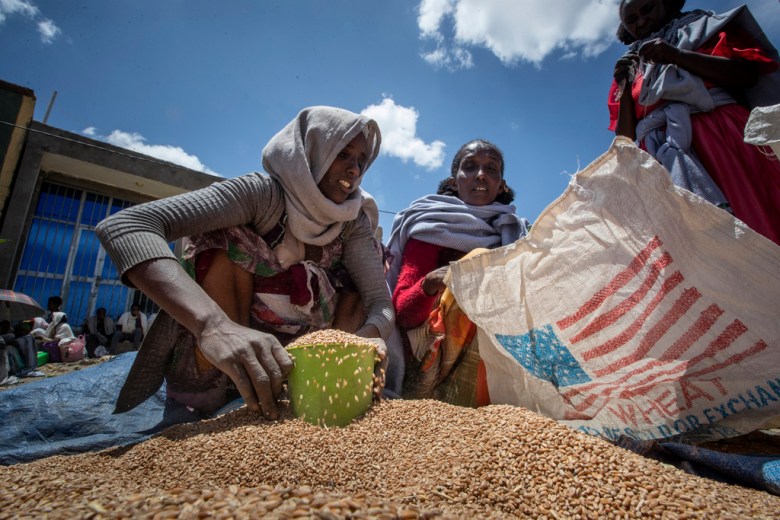
Food security is one of the most urgent pieces of this work. When families have reliable access to nutritious food, children can grow up healthy, adults can work productively, and communities remain stable. Hunger drives instability, and when people are forced to make desperate choices for survival, the impact can be seen far beyond their borders.
Supporting programs that strengthen food systems ensures resilience against droughts, crop failures, and economic shocks, reducing both suffering and the risk of future crises. In fact, studies consistently show that every dollar invested in agricultural development yields multiple dollars in economic growth. Building stronger food systems abroad not only helps struggling families but also creates more reliable markets for American farmers and producers here at home. Food security is more than a moral issue; it is a foundation for stability, health, and shared prosperity.
Education is equally critical in breaking cycles of poverty. When children gain access to quality schooling, they are equipped with the knowledge and skills to contribute meaningfully to their communities. Education empowers young people to secure jobs, build businesses, and participate in civic life, creating ripple effects that last for generations. It also promotes gender equality, as educating girls has been shown to dramatically reduce child marriage, improve maternal health, and boost family incomes.
In societies where education is prioritized, conflict decreases and stability grows. Investing in classrooms, teachers, and learning materials is one of the most cost-effective ways to promote peace and economic growth worldwide. Every child who learns to read and write today has the potential to be a leader, a problem-solver, and a contributor to global progress tomorrow.
By elevating these issues — food security and education — we can demonstrate that small investments make a profound difference in creating a safer, healthier, and more prosperous world.
Matthew Dabrowski of Southington is working with the Borgen Project.