


A new report shows that Connecticut’s homeless population grew for the fourth year in a row from 2024 to 2025.
The state’s latest point-in-time count, which is an annual census of the homeless population, showed that there were 3,735 people living in shelters or outside in January 2025, compared to 3,410 in January 2024. That’s nearly a 10% increase, which is a smaller rate increase than last year’s report.
“The overall trend from this year’s count shows that the inflow of people into the homeless response system is more than providers of shelter and services can keep up with,” said Sarah Fox, chief executive of the Connecticut Coalition to End Homelessness.
On Thursday, the National Alliance to End Homelessness and Women’s Development Corporation filed a lawsuit against the U.S. Department of Housing and Urban Development over restrictions on federal housing grants.
HUD’s new funding allocation rules consider whether shelters are in jurisdictions with sanctuary protections for undocumented people and whether shelters provide services around harm reduction for drug use, and they take into account policies around serving transgender people. The rules have left some providers uncertain about whether they’d get the money they need to continue operations.
The lawsuit asks for a temporary restraining order on the rules, and the organizations said in a press release that the rules are “unconstitutional and unlawful.”
Connecticut gets about $95 million annually from the federal government for homelessness and housing stability.
“It’s a very fluid situation, but these are the dollars that keep people housed year after year across the state, and they’re critical. We’re watching it, and then we’re trying to figure out the best steps forward as a state,” Fox said of the HUD policies.
Late last month, HUD ordered all public housing authorities to conduct audits to determine the legal status of their residents, and in February, HUD Secretary Scott Turner ceased enforcement of the Equal Access Rule, which required HUD-funded programs and shelters to determine eligibility based on a person’s self-identified gender.
“It’s time to get rid of all the far-left gender ideology and get government out of the way of what the Lord established from the beginning when he created man in his own image — male and female,” Turner said during the announcement. He also said there was “more to come” to ensure taxpayer dollars were being spent appropriately.
The point-in-time report shows that Connecticut has a small population of unhoused people who identified as transgender or gender nonconforming — about 20. Research shows that the LGBTQ population is more likely to experience homelessness.
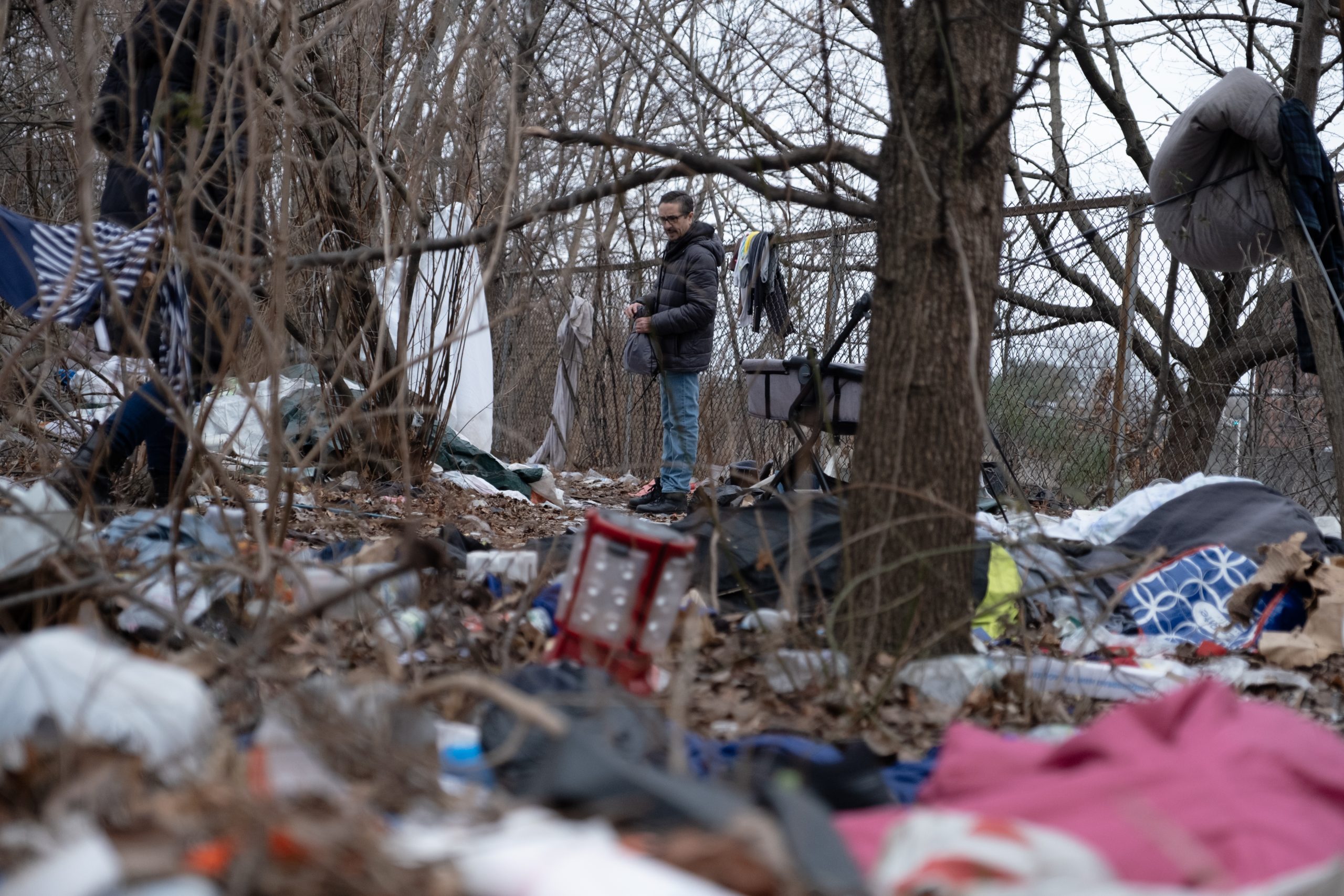
Most of the increase in the homeless population came from people who are living outside, in their cars or in places not meant for human habitation. That number jumped by 45% to more than 800 people.
The largest population was adults without children, and some of the notable increases were among the older population. There was a 20% increase in people ages 55-64 and a 33% increase in those 64 and older, according to the report.
Providers have said for months that they’ve seen an increasing population of seniors who are losing their housing because of rising rents.
“There’s been a massive spike in the amount of dollars that the agencies have to put in” to house people, said Jim Bombaci, vice president of operations at Nutmeg Consulting, the agency that created the report. “Every dollar more that they put to keep a person in a unit is a dollar less they have to house a new person.”
It’s also hard for people experiencing homelessness to find a place to live because of the lack of affordable housing in Connecticut, experts said, which means that people are staying in shelters longer.
As the number of people experiencing homelessness and the lengths of stays have risen, homelessness has become a point of more political focus in the past couple of years, with lawmakers and advocates asking for more money for homelessness services in the budget and the formation of the bipartisan Homelessness Caucus.
Just over 800 people who were in some type of shelter, living outside or in a supportive housing program, in 2025 were also in the system in 2024, showing that it can be difficult for people to obtain housing and to stay housed once they find a place, Bombaci said.
“We can start to identify these people and figure out who they are, why do they keep getting recounted in the same environment from one year to the next, what interventions are failing, what interventions are working?” Bombaci said.
The report notes that even though the number of shelter beds in the state has increased, there are still not enough to meet the need.
After concerted efforts from the state’s Department of Housing and the homelessness service provider system, the number of children without a place to live has dropped significantly, according to the report.
There were about 590 children experiencing homelessness in January, compared to about 680 in 2024, according to the report.
In the past year, the Department of Housing launched a Head Start on Housing program that pairs rental aid with access to early care and education. Fox said the program had helped cut down on the number of kids without a place to live.
“I think what this reflects is when investments are made, they work,” said Jessica Kubicki, chief initiative officer at the Housing Collective in Fairfield County. “The challenge is, these investments have to be made to scale to actually what the inflow is.”