



The cornerstone of our representative democracy is trust in our election process. As Secretary of the State and chief elections officer in Connecticut, my priority has always been to keep elections secure and accessible to all eligible voters.
That requires being proactive, working with registrars, town clerks, and federal and state partners to adopt best practices. But it also requires addressing any gaps when fraud or misconduct arises.

Recent articles claimed election fraud cases in our state failed to inspire a legislative response. That is false. They were immediately answered by legislation, proposed and championed by my office, to address the issue in the following elections.
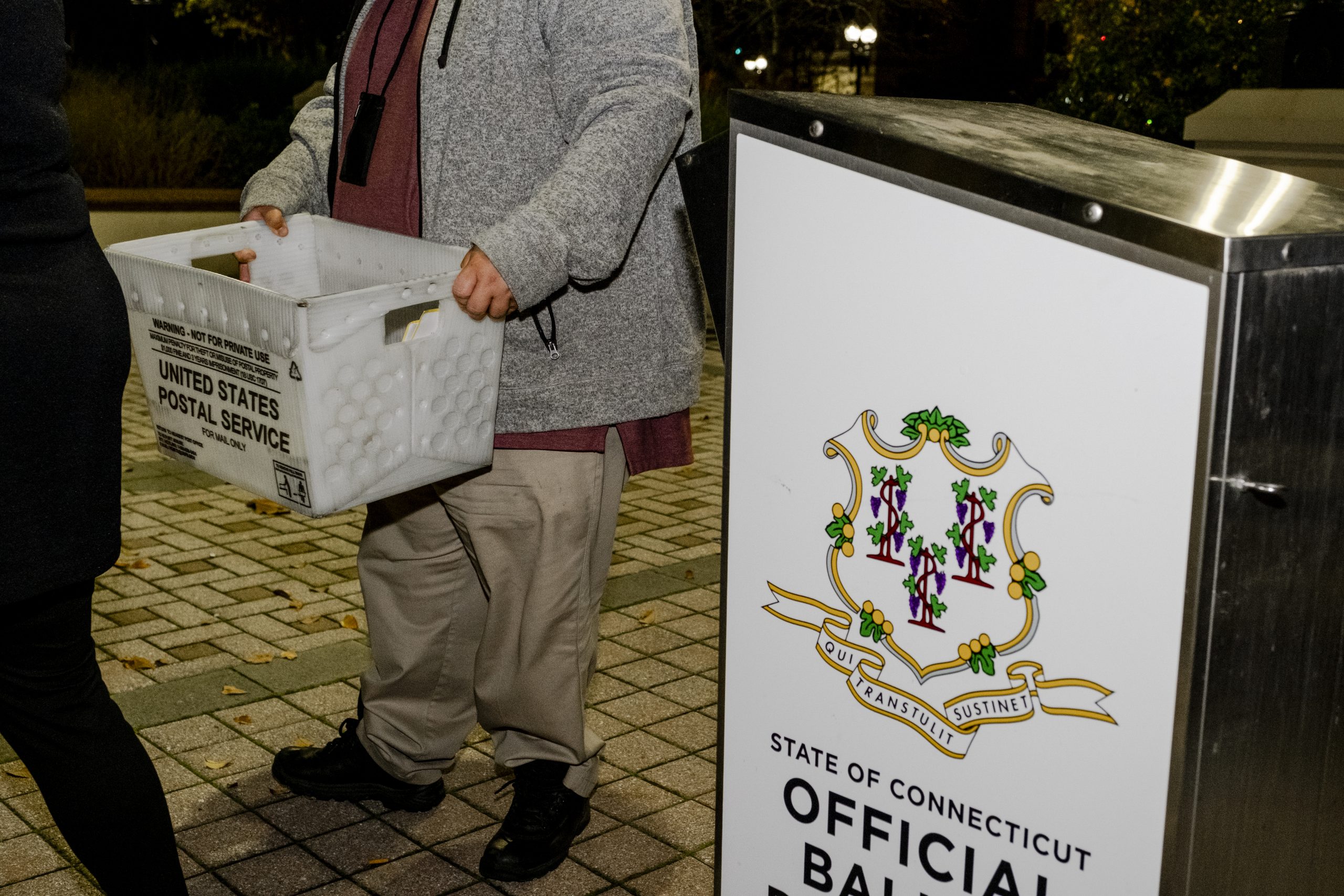
In the last three years, the General Assembly has passed legislation adding new requirements on how absentee ballots are dated and marked, camera surveillance for ballot drop boxes, new restrictions for circulating absentee ballot applications, and expanded the definition of vote interference. This year alone, legislators approved new laws to extend the role of election monitors in Bridgeport, fund a public education campaign on absentee ballots, and strengthen curbside voting rules. These are tangible, immediate safeguards that make our elections more secure.
Election fraud is a direct attack on our institutions. The Bridgeport absentee ballot cases deserve a forceful response, and the combination of indictments and new legislation is that response.
Our work is not finished. We will continue to press for laws that protect both election integrity and access. No eligible voter should lose the right to cast a ballot in the name of security.
Fraud in Connecticut is exceedingly rare, and when it occurs, it is met with decisive action. Claims of “Faustian bargains” or a “dirty state” are not only false but dangerous to the democratic institutions that protect us all.
Stephanie Thomas is the Connecticut Secretary of the State.