



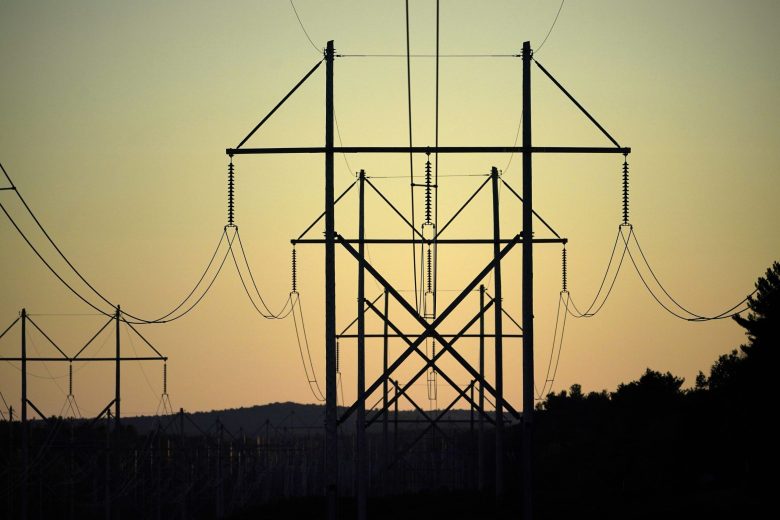
Americans everywhere are feeling the crunch of rising energy costs. In the age of electrification, power demand has skyrocketed from things like electric vehicles and massive data centers.
In Connecticut, residents face some of the highest electricity costs in the nation, with the average monthly bill more than $200 – second only to Hawaii (a state that ships oil across the Pacific to generate two-thirds of its electricity). Summer power prices in Connecticut are also up 41% in the last five years, the third highest pace in the U.S.
It doesn’t have to be this way. That’s why Gov. Ned Lamont should be applauded for finding bipartisan solutions that lower costs for ratepayers — even against loud progressive interest groups in his own party — by recognizing the necessary role clean low-cost natural gas must play alongside zero-carbon sources like nuclear, solar and wind.
Not only is he a Democratic Governor who is doing it right on energy, 80% of Connecticut voters agree with him that natural gas and renewables, together, is the best path forward. This is safe ground for Democratic leaders to move back to the middle on, with state Democrats also viewing natural gas positively by a 55-18% margin. This move is especially necessary coming out of the 2024 election, as Democrats nationally need to find our way back to the kitchen-table issues that speak to working class voters. Energy is key to that, and an all-of-the-above strategy is central to affordability, reliability, and emission reductions.
While Americans have added significant new burdens to the aging electric system, we haven’t kept up with adding new power generation. The fact is simple: America needs all the power we can generate now to lower prices: renewables, natural gas, and nuclear. This isn’t ideology – it’s math. Democrats, long proud of our pragmatism and problem-solving, must make this case.
But over the last decade, my party has moved away from leaders like Barack Obama who recognized low-carbon natural gas’s ability to drive down costs and emissions, to echo extreme voices like the Conservation Law Foundation which trap Democratic policymakers into an impossible position on energy. They demand elected officials back a zero-carbon only future, even if it isn’t technologically possible to do, even if it threatens grid reliability, and even if it drives up costs in the process. All these consequences are coming true today. They demand leaders reject natural gas even though it’s responsible for 61% of America’s carbon emission reductions over the last 20 years, powers over 60% of Connecticut’s electricity, and could help convert the 37% of Connecticut homes that still rely on fuel oil for heat.
Recent polling from Natural Allies shows these vocal opponents of natural gas and common sense energy policy represent just 13% of Connecticut voters.
Their position to block more natural gas from Pennsylvania has led to devastating consequences. Prices are rising, and New England increasingly turns to fuel oil each winter to keep the lights on. The region must also import foreign natural gas without new pipelines from Pennsylvania, exposing New Englanders to expensive global markets and supply disruptions like that of Russia’s invasion of Ukraine in 2022 and Winter Storm Elliott.
In fact, if we continue to push toward an energy future without natural gas, low-income and particularly Black and brown households would feel the greatest burden, according to the Progressive Policy Institute. These communities already face energy cost burdens that are double that of white households. This is an energy justice issue at its core.
Energy shouldn’t be an either-or proposition. Those policies have failed. Natural gas provides the baseline foundation to expand carbon-free – though intermittent – renewables, responsibly over time.
By pursuing a balanced approach that combines natural gas with renewable resources, as Governor Lamont has suggested, we can work toward our climate goals without leaving households drowning in higher utility bills or long-term blackouts. At the end of the day, the real test of energy policy is whether families can keep the lights on without breaking the bank; a balanced path with natural gas and renewables can deliver that. It’s a roadmap for national Democrats to embrace.
Tim Ryan is a former Ohio Congressman and a Leadership Council Co-Chair for Natural Allies for a Clean Energy Future .