



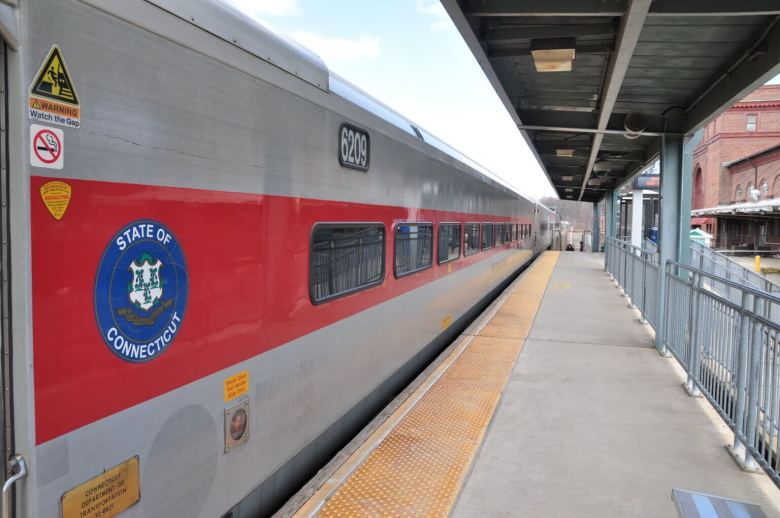
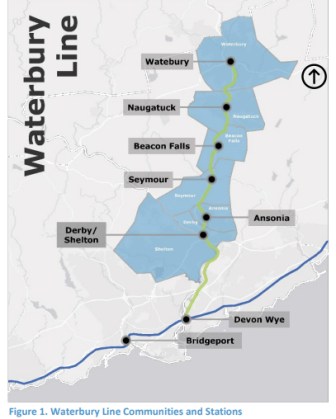
For Milford residents living near the Metro-North Bridgeport to Waterbury train tracks, the day begins before sunrise and ends long after midnight—not by choice, but by the unrelenting rumble of trains that start as early as 4:45 a.m. and continue until 12:51 a.m. the next day.
That leaves just under four hours of silence in a full 24-hour cycle—hardly enough time for uninterrupted sleep, let alone peace of mind.
The Metro-North Railroad is an essential artery for commuters in the region. Its role in connecting suburban areas to New York City is undeniable. But the price of progress shouldn’t be paid in sleepless nights and compromised quality of life for those who live in its shadow.
While train service is necessary, a balance must be struck between transportation efficiency and community well-being. There are proven mitigation strategies: noise-reducing barriers, modernized trains with quieter braking systems, and stricter horn-use policies in residential zones. This responsibility doesn’t just fall on Metro-North but also the City of Milford and the Connecticut Department of Transportation. Since 2022, the Metro-North Waterbury train service has increased by 47% with $140 million being invested in the line’s infrastructure.
Train noise abatement isn’t a new topic for the CT DOT given that in 2019, the CTDOT installed a new Wayside Horn System along the New Haven to Hartford Line rail corridor to reduce the noise given the increase in train traffic. Wayside horns are triggered at the crossing site and set up in a way to reduce the sound of the horns. If it can be done on the Hartford line, why not the Bridgeport/Waterbury line?
Metro-North and regional planning authorities must engage more proactively with impacted neighborhoods. Transparency about schedules, timelines for upgrades, and noise-reduction efforts should be standard. More importantly, Milford residents need a seat at the table when decisions are made about future service expansions or changes.

The current schedule effectively leaves residents with less than four hours of guaranteed quiet time each day. That is neither sustainable nor humane. A modern transportation system should not come at the cost of basic human comfort and health. It’s time to acknowledge that 20-hour train service might serve commuters well, but it’s failing the people who live beside it.
Paul Slattery lives in Milford.