



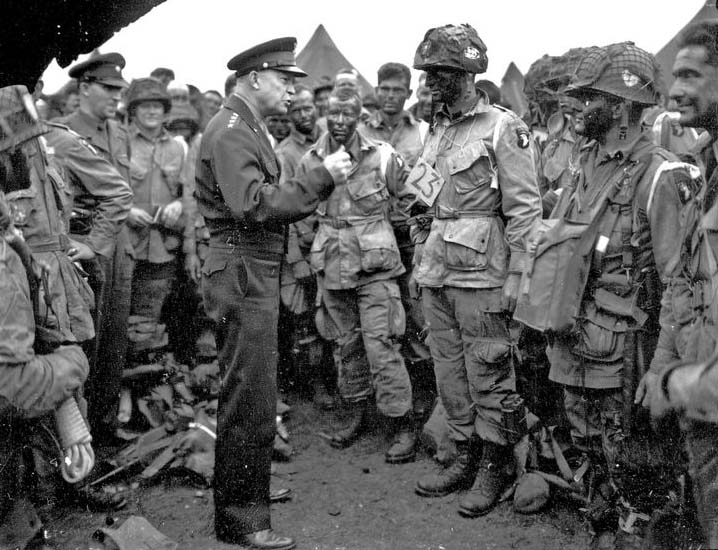
When we encounter challenging periods in the nation, we often refer to the Greatest Generation. Coined by Tom Brokaw, the “Greatest Generation,” is defined by those who survived the Great Depression, defeated fascism overseas, and went on to build a stable and prosperous country.
Yet for all our references to their sacrifice and character, we have forgotten many of the values that made their era one of resilience and unity rather than division. Today, our politics are more toxic. As immigrant communities are increasingly targeted by a heartless administration, we would do well to remember the lessons of the Greatest Generation.
They faced hardship together rather than targeting the easiest group to blame. Their instinct was not to divide but to organize. On the other hand, the political rhetoric of the current administration, especially when they label immigrants as unwelcomed or existential threats, runs counter to the spirit of the ideals we held sacred. Fear-based messaging may win short-term political points, but it erodes the long-term cohesion a democracy needs to thrive.
America in the 1940s and 50’s was far from perfect; far from inclusive, yet they still recognized that strength came from a sense of something larger than themselves. Our ancestors fought alongside immigrants and the children of immigrants. They believed in building a country expansive enough to hold many identities. Today, we should be expanding that tradition, not shrinking it through suspicion, fear, and resentment.
Members of the Greatest Generation didn’t pretend to agree on everything. They had political divisions, but they placed civic responsibility above political tribalism. They accepted that this country is a work in progress, renewed by each generation’s willingness to improve it. Immigrants have always been part of that renewal. To vilify them is to forget our own origin story.
My grandfather, the son of Italian immigrants, served with the 12th Armored Division, 17th Armored Infantry Battalion, Company C in the European Theater. He was awarded the Purple Heart for giving his life to defeat fascism and to defend freedom. To truly honor the nearly 407,000 Americans who gave their lives in World War II, the more than 16 million who served, including over 350,000 women in uniform, and the six million-plus women who powered the nation’s workforce, we must reclaim the values they embodied: courage without cruelty, patriotism without exclusion, and determination without resentment.
Compare that with today’s climate, where partisan loyalty often triumphs over the common good, and where inflammatory narratives, often directed at the most vulnerable, replace honest policy debate. We cannot solve real problems with an administration preoccupied with imaginary enemies. We must reject politics that thrive on fear; whether aimed at immigrants, political opponents, or our own neighbors, and choosing instead to build a country as confident and generous as the one our parents, grandparents and great grandparents imagined.
In Truman’s broadcast to the Armed Forces on April 17, 1945, he said: “Our debt to the heroic men and valiant women in the service of our country can never be repaid. They have earned our undying gratitude. America will never forget their sacrifices. Because of these sacrifices, the dawn of justice and freedom throughout the world slowly casts its gleam across the horizon.”
When you look to the horizon, remember what the greatest bestowed upon us: a nation survives not by hardening its heart, but by widening its circle. That is the America they fought for. It can still be the America we build if we so choose.
Christopher M. Piscitelli is Associate Dean of Students, Southern Connecticut State University, and Finance Chair of the Hamden Board of Education.