



Iran is in the midst of a historic and violent uprising against its clerical rulers.
What began in late December 2025 as nationwide protests driven by economic collapse has become a deep political revolt. Across cities large and small, ordinary Iranians are calling for fundamental change. The regime has responded with escalating brutality. This response shows its fear and weakness.
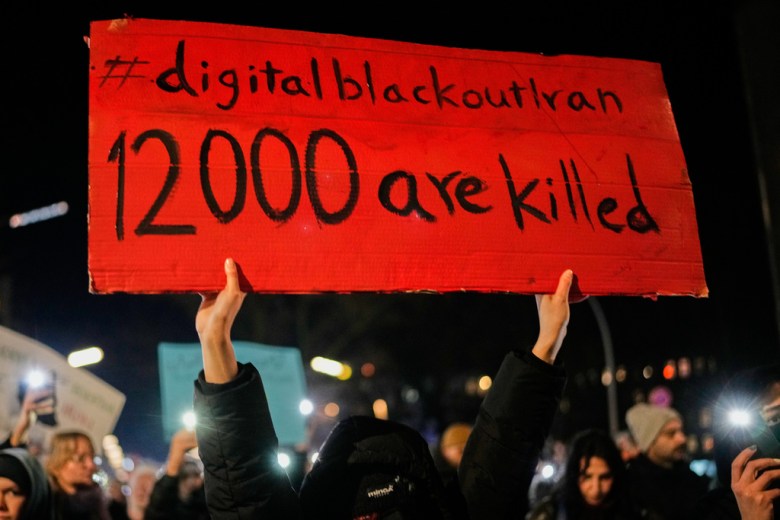
Information from inside Iran suggests the death toll is staggering. More than 12,000 protesters have reportedly been killed by security forces since the uprising began. These figures come from human rights groups and on-the-ground sources reporting under blackout conditions. Many more have been arrested, disappeared, or injured amid heavy use of force.
Security forces including the Islamic Revolutionary Guard Corps and Basij militia have fired live ammunition into largely unarmed crowds. Hospitals across the country report hundreds with serious gunshot wounds. The regime has imposed near-total internet shutdowns to hide the violence from the outside world and isolate protesters within Iran.
The sheer scale of the crackdown has alarmed international human rights bodies. United Nations officials have expressed grave concern over mass detentions, threats of execution, and the escalating use of lethal force against civilians.
This uprising goes beyond economic grievances. Protesters are rejecting all forms of dictatorship. They want an end to theocratic rule and reject monarchy as well. Demonstrations have featured chants rejecting both clerical rule and any return to monarchy. Iranians are calling for a secular democratic republic governed by the people, not by clerics or kings.
At the core of these protests is a clear demand. The Iranian people insist on their right to freely choose their future government. They reject any system imposed by force, ideology, or heredity. Their struggle is not for reform within dictatorship, but for a representative government rooted in popular sovereignty and the rule of law.
Reports from opposition networks show that protests have spread to hundreds of cities and towns. The movement reflects a unified demand for systemic change and an end to authoritarian rule.
The regime’s response reveals both terror tactics and deep insecurity. It has relied on mass arrests, lethal force, internet control, and threats of execution against those who dare to stand up. State media attempts to portray the unrest as chaos or foreign-inspired. Yet protesters continue to mobilize despite extreme risk, driven by a determination to reclaim their future.
Despite the danger, the spirit of resistance continues. Iranians inside the country and in the diaspora are calling for a unified push toward a democratic and secular future. Their actions reflect a widely recognized principle: people living under tyranny have the right to resist oppression.
The international community must do more than issue statements of concern. It must recognize the Iranian people’s legitimate right to resist a brutal and unaccountable regime and to determine their own political destiny without interference or imposed alternatives.
The world cannot afford to ignore these demands. With thousands of lives lost, the Islamic Republic’s systematic violence against its own people requires a firm and principled international response. Respect for human rights, self-determination, and justice must be central to any engagement with Iran.
Jila Andalib is a member of the Organization of Iranian American Communities – CT