



Alzheimer’s disease is no longer a looming concern for Connecticut. It is a present-day crisis affecting tens of thousands of families and straining our health care system in ways we can no longer afford to ignore.
More than 80,000 Connecticut residents aged 65 and older are currently living with Alzheimer’s or other dementias. An estimated 130,000 family members provide unpaid care, contributing over 200 million hours annually – labor valued at more than $5 billion. At the same time, Medicaid spending related to Alzheimer’s exceeds $1.2 billion each year. These figures represent not only an economic burden, but countless households quietly navigating exhaustion, financial strain, and grief.
I know this reality personally. I am a Connecticut resident and a constituent of Rep. Jahana Hayes in the 5th District. Through sustained advocacy with her office, I was proud to see her cosponsor two bipartisan bills in 2025: the AADAPT Act and the ASAP Act. These bills focus on earlier diagnosis, improved access to care planning, and a stronger national response to dementia – all critical steps for families facing this disease.
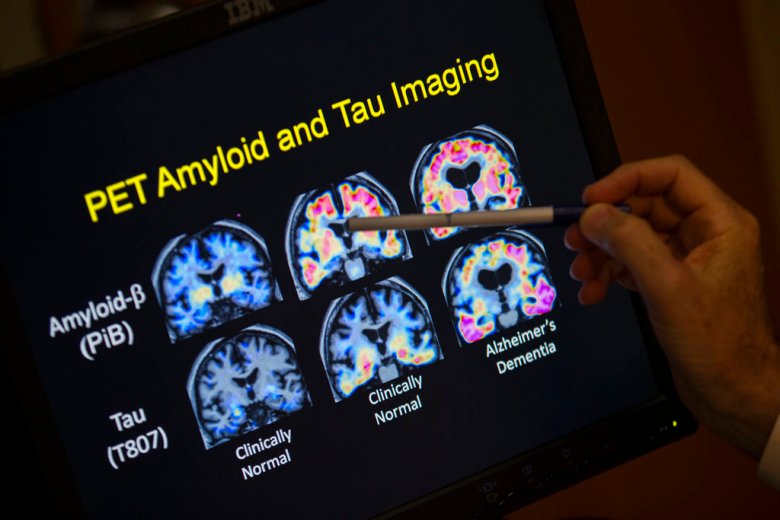
Early detection matters. New treatments and clinical trials are most effective in the earliest stages of Alzheimer’s, yet too many people in Connecticut still receive diagnoses late, after years of missed or minimized symptoms. By then, options are limited, caregivers are already overwhelmed, and the trajectory of the disease is far harder to alter.
Connecticut has an opportunity to lead, but leadership requires urgency. It means supporting federal legislation that prioritizes early diagnosis and equitable access to care. It means strengthening caregiver supports and ensuring our health and social services systems are prepared for the realities of an aging population.
CT Mirror published my letter on Alzheimer’s advocacy last summer. I’m writing again because the crisis has not eased – it has intensified. Families are still absorbing the burden largely alone, and the costs – human and economic – continue to rise.
Alzheimer’s is not just a personal tragedy. It is a public health emergency. Connecticut can, and must, respond accordingly.
Erin Mahoney is an Alzheimer’s Advocate.