


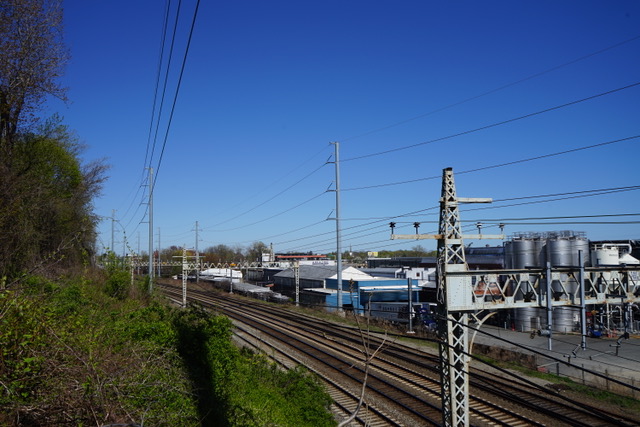
Fairfield’s long running fight against installing tall electrical transmission lines, known as monopoles, along the MetroNorth rail line may be over, for now.
The Connecticut Siting Council (CSC) Thursday, rejected United Illuminating’s (UI) application in a final decision which mirrored its earlier decision made in October to reject a plan to install monopoles in Fairfield and Bridgeport.
In a statement, UI immediately criticized the decision Thursday, saying rejecting the plan would harm ratepayers. The statement read in part:
“As long as the Siting Council continues to deny the Fairfield to Congress Project, a critical portion of the transmission system between Bridgeport and Fairfield will be vulnerable to both safety and reliability risks.”
Fairfield First Selectperson Christine Vitale praised the decision in a press release issued shortly after the decision.
“We appreciate the Connecticut Siting Council’s thorough review and its decision to deny UI’s application in Docket 516R,” Vitale said. Throughout this process, our community has consistently expressed strong concerns, and we are grateful that the voices of residents, local leaders, religious institutions, businesses and preservationists were heard.”
Khristine Hall, a member of the CSC, said during the vote further talks to propose an alternative could be possible.
“I am deeply disappointed that discussions among the parties yielded no results. I hope those discussions will start again in good faith by all parties,” Hall said. “Based on the above I will vote to deny the certificate.”
Many residents in Bridgeport and Fairfield opposed the original plan. They joined Bridgeport, Fairfield and local businesses in suing the CSC over UI’s proposal. The lawsuit argued the plan threatened to seize private land, threaten property values and negatively impact local businesses.
Opponents of the plan celebrated a victory last year when UI was ordered to come up with an alternative plan to installing monopoles. The company revamped its proposal, which was also rejected by the CSC late last year.
The company appealed that decision in November, according to previous reporting from WSHU.
UI stated other proposals including installing lines underground, could cost ratepayers at least half a billion dollars.
This story was first published on Feb. 5, 2026 by Connecticut Public.