



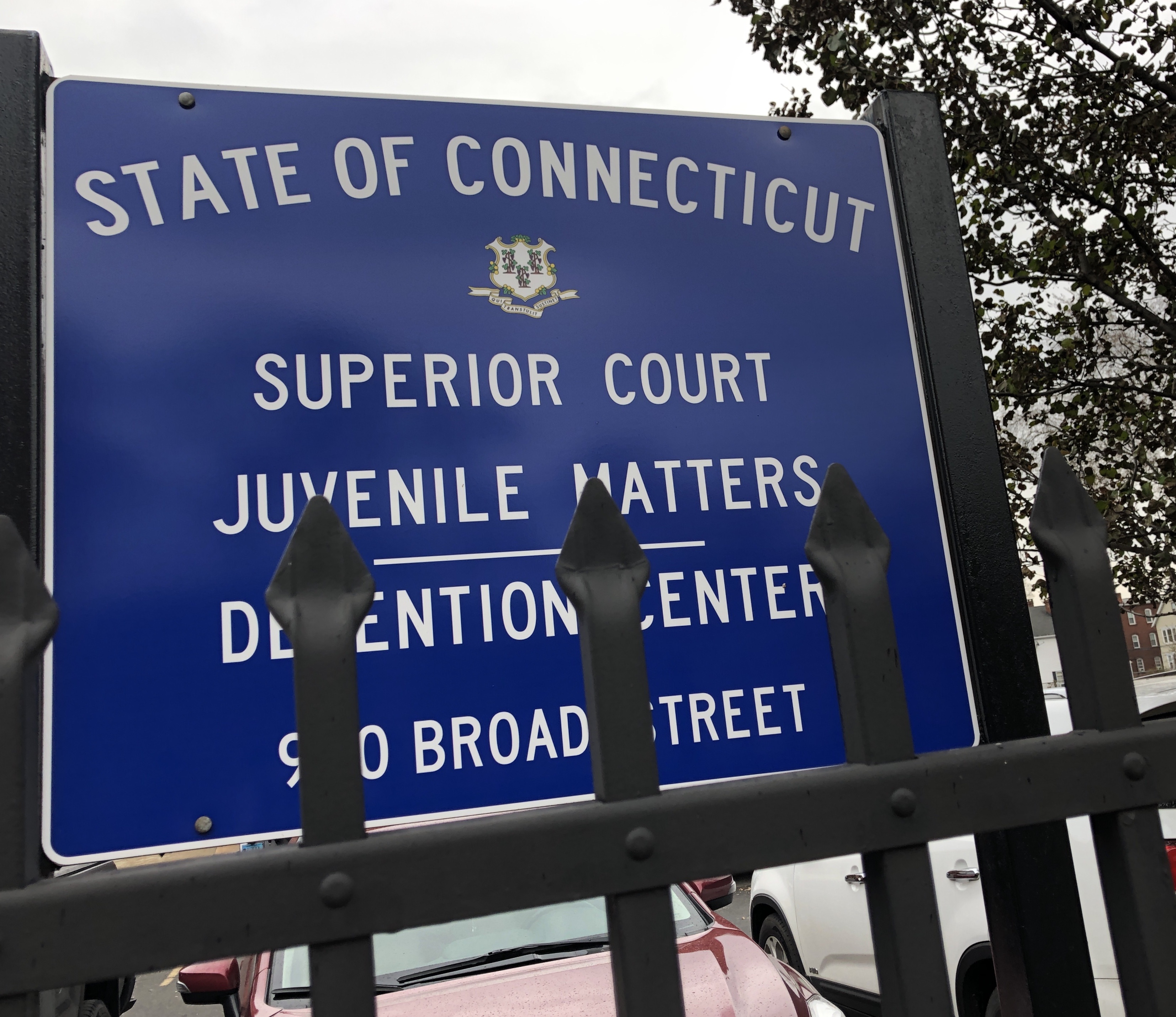
More than a decade ago, the U.S. Supreme Court ruled that mandatory life-without-parole sentences for children are unconstitutional, and recognized what developmental science has long made clear: children are different from adults. Their brains are still developing. Their decision-making is more impulsive. Their susceptibility to peer pressure is greater. And critically, their capacity for change is profound.
Yet the United States remains the only country in the world that still permits children to be sentenced to life in prison.
This session, Connecticut lawmakers will consider legislation that would expand parole eligibility for people who committed crimes as adolescents and young adults. The proposed bill language would (1) expand the age range of individuals eligible for parole and (2) apply the law to people who were sentenced in the last 20 years.
Neither proposal would guarantee that any individual would be released. It would simply give incarcerated people hope of a life outside of prison after significant time served.
We urge public support.
In 2023, the Connecticut Sentence Commission funded a study of “juvenile lifers”—people released from their juvenile life sentences after a 2015 law implemented Miller factors and made them eligible for parole.
Sukhmani Singh [ one of the authors of his commentary] led the study and co-authored the report on Public Act 15-84 outcomes, “Reentry After a Life Behind Bars: A Participatory, Multi-Method Approach to Understanding the Experiences of Public Act 15-84 Beneficiaries in Connecticut after Miller vs. Alabama.” As of January 2025, 123 individuals have been released due to 15-84. They were, on average, 17 years old at the time of their offenses. Most were sentenced to roughly 30 years for serious crimes, including murder and felony murder. They are disproportionately male and people of color.
As the Principal Investigator of the 15-84 study, and an associate law professor on the Sentencing Commission, we look to the evidence to understand the impacts of sentencing reforms. The overwhelming majority of the 123 people released under 15-84 are succeeding. Seventy-five percent are currently employed and 60% live with family members or romantic partners. They have spent an average of five years in the community. Notably, only 11% have returned to prison —compared to Connecticut’s overall recidivism rate of roughly 49%.
Nationally, decarceration efforts have focused on low-level, nonviolent offenses. But PA 15-84 provides a test of safe and equitable decarceration —specifically for those who committed violent crimes as youth. Research from California, Michigan, and Pennsylvania shows similarly low recidivism rates among people released from their juvenile life sentences; these rates are 3.1%, .55%, and 5.2%, respectively. Notably, California’s rate reflects people who were released for crimes committed when they were under the age of 26.
Our [Singh and colleagues’] study reveals the human complexity behind the statistics. We conducted in-depth interviews with people who entered prison at an average age of 16 and were released around age 40; after roughly 21 years behind bars.
They described growing up in prison environments shaped by violence and long-term isolation. Many matured quickly to survive. Some said that because of their long sentences, they were “invisible” when it came to educational or rehabilitative programming.
And yet, all spoke about reckoning with the harm they had caused. They described deep remorse, a desire for accountability, and contributing positively upon release.
Re-entry, after a youth behind bars, meant structural barriers: obtaining identification documents, securing affordable housing, adjusting to decades of technological change, and finding stable employment despite stigma. Seventy-three percent reported problems obtaining essential documents such as Social Security cards or state IDs—delays that stalled access to jobs and healthcare. Most relied heavily on family for initial housing, and found employment through personal networks, often in physically demanding, low-wage work.
These findings should guide our next steps.
First, Connecticut should eliminate the arbitrary cutoff date —October 1, 2005— that excludes people age 18-21 who have more recent life sentences from parole eligibility. It costs approximately $62,000 per year to incarcerate one person in Connecticut; this doubles once someone turns 50 years old. We should ask whether decades of incarceration beyond adolescence meaningfully improves safety —or whether those funds would be better spent strengthening families and communities.
Second, we must invest in early childhood supports, public education —both in prisons and in our communities, affordable housing, healthcare access, employment opportunities and historically divested communities. National survey data on people sentenced to life without parole as youth reveals how poverty, violence, and school exclusion were a part of their everyday lives prior to incarceration. Eradicating poverty is a must; notably it takes more lives a year than homicides.
The upcoming bill is not about excusing harm. It is about recognizing growth, aligning public policy with science and using the evidence to guide decisions. Connecticut has an opportunity to lead—to craft sentencing policies grounded in accountability, transformation, and evidence.
Public Act No. 15-84 has already demonstrated that second chances can coexist with public safety. Expanding parole eligibility to age 26 builds on what works.
We encourage residents across our state to learn about this legislation, contact their representatives, and support a reform that reflects both our values and science.
Sukhmani Singh is an Assistant Professor at the University of Connecticut School of Social Work, principal investigator of the 15-84 study. Anna VanCleave is an Associate professor at the University of Connecticut School of Law and member of the Connecticut Sentencing Commission. The views of the authors do not represent the University of Connecticut or the Sentencing Commission.