



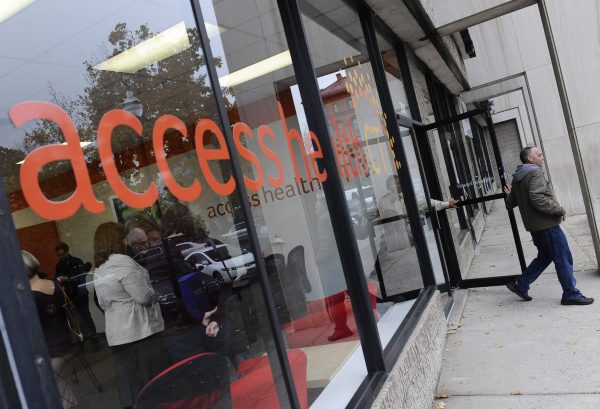
The Affordable Care Act (ACA) core goals are to make healthcare available to more people, improve the quality and accessibility of care, and lower overall healthcare costs. It aimed for a fundamental transformation of the U.S. healthcare system by focusing on shared responsibility, consumer protection (like pre-existing conditions), and innovation.
In essence, the ACA’s mission is to create a more accessible, affordable, and high-quality healthcare system for all Americans.

But all of this began to vanish Jan. 1 when Congress shut down for the winter recess without a plan to sustain ACA subsidies.
Here are the dangerous health system damages for millions of affected Americans that will happen as a result: 750 rural hospitals could face closure, two thirds of ACA recipients are expected to reduce spending on clothing and food, and without coverage, many are expected to see medical debt become their primary financial burden.
Worse than these impacts are the individual harms that will impact millions of our citizens.
Uninsured adults with hypertension or high cholesterol will not get screened or stay on their current drug therapy leading to an increased risk of stroke and heart attack. Diabetics losing subsidies will skip essential monitoring such as eye and foot exams, increasing the clinical risk of blindness, amputations, and kidney failure. Uninsured patients will be more likely to be diagnosed with later rather than early stage common cancers including colorectal, prostate and breast. The risk of death for uninsured patients can be 40% to 64% higher .
More than 21 million people could lose access to behavioral health services and 50% of these are then less likely to receive treatment for depression. High costs will force patients to skip medications or reduce doses. Currently, 21% of adults have not filled a prescription due to cost; this is expected to rise sharply this year.
Policy experts warn that a generation of individuals will enter the Medicare program in poorer baseline health due to years of unmanaged chronic conditions, necessitating more aggressive and expensive interventions later in life.
Many of the 50 million Americans with chronic pain —often a pre-existing condition—will lose access to specialized care, medications, and physical therapy. And for those in recovery or managing chronic illness, the loss of affordable coverage can lead to a loss of hope as they find it impossible to maintain their health while supporting their families.
Enrollees forced to switch to cheaper lower-quality plans often lose long-term primary care providers. Patients have described this as “devastating,” as they lose doctors who understand their deep history and emotional needs.
Uninsured individuals frequently face aggressive debt collection, lawsuits, and the depletion of retirement or college savings. This financial ruin often leads to bankruptcy, which carries a long-term psychological burden of regret and shame. In some cases, hospitals and doctor’s offices have refused to schedule life-altering appointments —including cancer checkups— until past-due bills are settled, leaving patients in a state of terror regarding their survival.
Over the next decade, ending the Affordable Care Act (ACA) enhanced subsidies is projected to have a dual impact: a decrease in direct federal government spending but a significant increase in out-of-pocket costs for individuals and a rise in broader systemic costs like uncompensated care.
While the healthcare provisions of the One Big Beautiful Bill Act reduce federal health spending by roughly $1 trillion over a decade, the act as a whole is projected to increase the national deficit by $3.4 trillion due to massive tax cuts and by reducing/eliminating essential social services that will “break the backs” of millions.
A world of instability and suffering is in store for our health system and millions of at- risk Americans.
H. Andrew Selinger M.D. is Chair of the Department of Family Medicine at the Frank H. Netter MD School of Medicine at Quinnipiac University.