




I stood along the Platte River in central Nebraska at sunrise, watching tens of thousands of sandhill cranes lift off into the sky at once. The sound was overwhelming – loud, ancient, impossible to ignore. For a few minutes, everything else fell away. No notifications. No to-do lists. Just motion, rhythm, and sky.
It felt like stepping into something much bigger than myself.
But what stayed with me most when I returned home to Connecticut was this: you don’t have to travel across the country to experience that same sense of connection.
You can find it here.
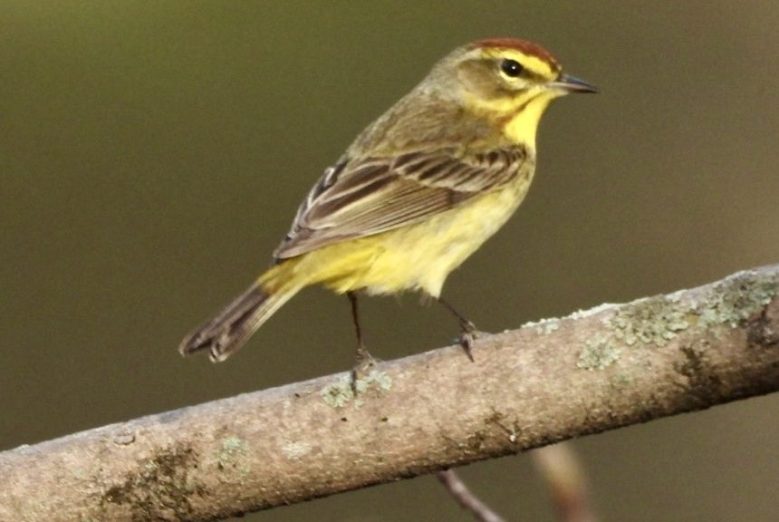
In a quiet marsh at dawn. Along the shoreline at Hammonasset. In a stand of trees during spring migration, when warblers move through almost invisibly unless you stop long enough to notice them. The scale may be smaller, the moments quieter – but the effect can be just as powerful.
And increasingly, that matters.
We are living in a time of constant input. Notifications, deadlines, and a steady stream of information compete for our attention from the moment we wake up. Even outside of work, many of us struggle to fully disconnect. The result is a baseline level of stress and mental fatigue that feels almost normal.
Birding offers a simple interruption to that pattern.
It shifts your attention outward. Instead of cycling through thoughts, you start listening – for a call, a rustle in the leaves, a flicker of movement overhead. It encourages patience in a way that doesn’t feel forced. You’re not trying to “clear your mind.” You’re just paying attention to something else.
And that subtle shift can make a meaningful difference.
Unlike many wellness solutions, birding doesn’t require a membership, a subscription, or even specialized equipment. You don’t need to be an expert. You don’t need to travel far. In Connecticut, access to nature is built into our communities — parks, preserves, coastlines, and even neighborhood trails offer opportunities to engage with the natural world in small but impactful ways.
That accessibility is part of what makes birding uniquely valuable.
Local organizations like the Hartford Audubon Society help make that connection even easier. Through guided walks, educational programs, and community events, they create entry points for people who might not otherwise see themselves as “birders.” Just as importantly, they foster a sense of shared experience – reminding people that engaging with nature doesn’t have to be a solitary pursuit.
At a time when conversations around mental health often focus on treatment – which is critically important – we should also be paying attention to prevention and everyday practices that support well-being. Birding is one of those practices. It’s low-cost, widely available, and adaptable to any level of interest or ability.
It also builds something that’s harder to quantify but equally important: connection.
Connection to place. To seasonality. To the idea that there are cycles happening around us that don’t depend on our productivity or performance. Migration, in particular, is a reminder of continuity – of systems that move forward regardless of how busy or disconnected we might feel.
You don’t have to be deeply knowledgeable about birds to feel that. You just have to notice.
This spring, as migration returns to Connecticut, there is an opportunity to engage with something that is both simple and profound. Whether it’s pausing during a walk to listen more closely, looking up when you hear something unfamiliar, or visiting a local park with no agenda beyond being outside, the entry point is low.
The benefits, however, can be meaningful.
In a moment when so much of our attention is fragmented, birding offers a rare alternative: a way to be present without pressure, engaged without expectation, and connected without needing to go far at all.
Sometimes, that’s exactly what we need.
Erin Mahoney lives in Avon.