The American Academy of Pediatrics strongly advocates for food security in all households. They emphasize that “food insecurity manifests itself in…biopsychosocial outcomes, including health, education and economic prosperity.” Children do not simply feel hungry when missing a meal. The United States Department of Agriculture reports that 13 million children in the United States (almost one in five, and one in six in Connecticut) live in food insecure households.
The health impacts of food insecurity become even more clear when medical conditions rely on a specific diet for its treatment. Celiac disease – an autoimmune gastrointestinal disorder where gluten incites inflammation in the gut- is a great example.
As someone with celiac disease, I personally manage the strict elimination of all wheat, barley, and rye products from my diet. I am fortunate that I can afford the basic gluten-free bread, pasta and crackers, which can be marked up on average more than 200% compared to standard counterparts. Through working with the underserved pediatric population in New Haven, I am well aware of two things: 1) many families rely on government programs like Supplemental Nutrition Assistance Program (SNAP) and The Special Supplemental Nutrition Program for Women, Infants, and Children (WIC) to afford basic goods 2) celiac disease does not discriminate based on socioeconomic status.
A recent study from 2022 reported that of families with at least one child with celiac disease, 19% experienced food insecurity and 21% experienced “gluten free food insecurity”- meaning they felt unable to consistently access enough gluten-free food. These families were also more likely to have their children intentionally consume gluten due to lack of availability, funds and access to appropriate gluten-free options.
It is well known that intestinal inflammation and resulting malabsorption causes iron deficiency anemia and vitamin D deficiency in patients with celiac disease. A 2022 Canadian study found that less than two thirds of adults who were FI with celiac disease consumed adequate amounts of vitamins A, B1, B6, C, D, K, and minerals like iron, calcium, magnesium or zinc. They also found that only 24.1% of celiac disease food insecurity patients followed a gluten free diet in contrast to 67.9% of celiac disease food secure patients.
Food insecurity on top of celiac disease will only make the outcomes of these deficiencies worse. If left untreated, celiac disease can lead to osteopenia/osteoporosis, non-Hodgkin’s lymphoma, intestinal adenocarcinoma and infertility. Effects in children can include short stature, failure to thrive, delayed puberty, and damage to teeth enamel.
It is a no-brainer that children with celiac disease– especially those that are food insecure– in Connecticut and across the United States should receive additional financial support to maintain a balanced gluten free diet. Unfortunately, this is not the case. The federal budget reconciliation bill signed into law July 4 only reinforces and exacerbates the food insecurity that children with celiac disease face.
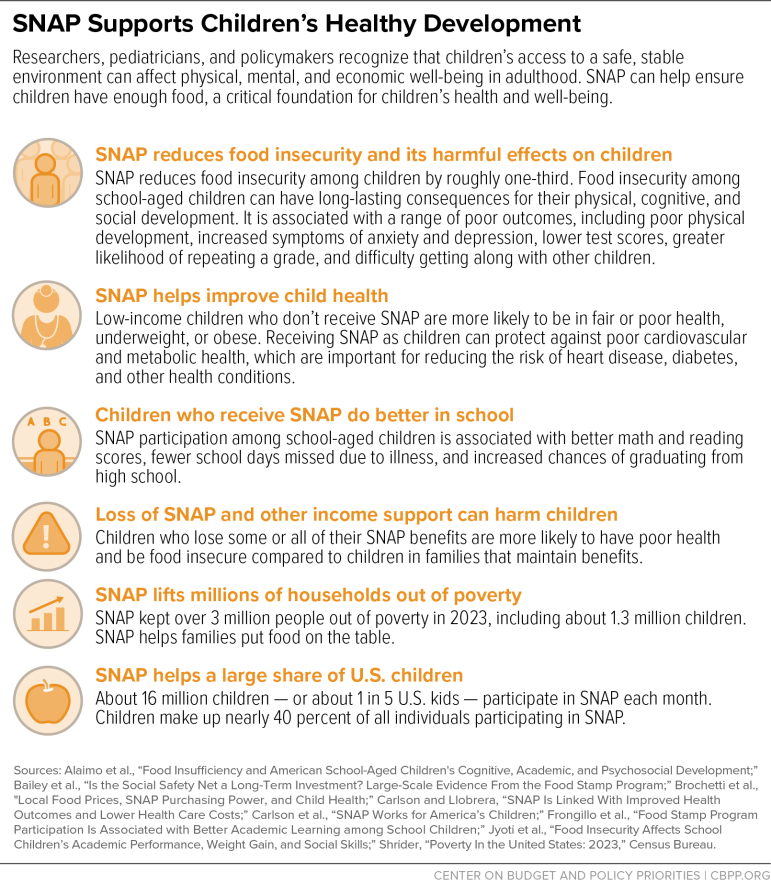
According to the Center for Budget and Policy Priorities, this bill will eliminate food assistance to 2 million food insecure children (including those with celiac disease) and slash 30% of SNAP funding over the next decade. Children with celiac disease, one in five whose families already feel food insecure, will be further challenged to afford nutritious gluten free foods, adhere to a gluten free diet, and avoid the serious health complications of associated with celiac disease.
As pediatricians, it is our job to advocate for tax reimbursements, stipends, insurance coverage and additional federal and state financial support to ensure access nutritious gluten-free foods for our patients. Most importantly, we must recognize that the greatest assurance of medical wellbeing for children with celiac disease and FI and for stability of our country’s healthcare system, comes from the top-down policy action- namely governmental funding of healthy gluten-free food for those who need it most.
Caroline Brauner MD is a pediatrician in New Haven. The opinions expressed here are solely hers and do no reflect the views of her employer.