




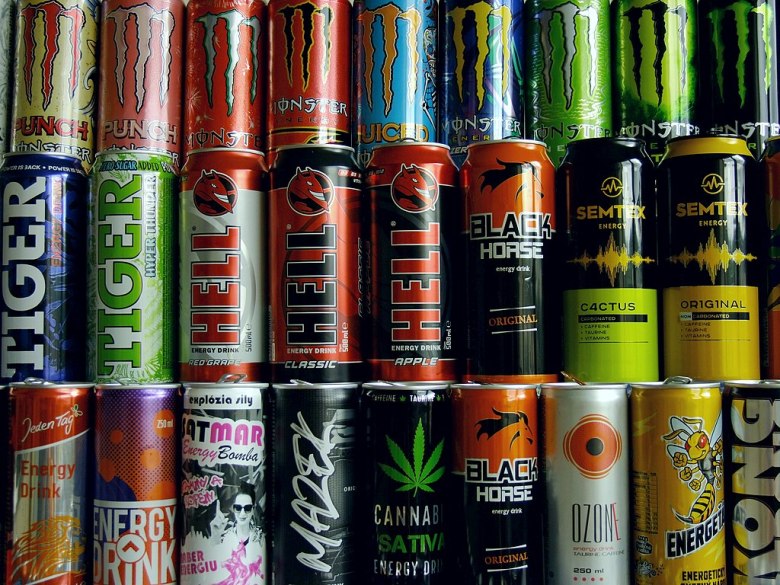
Imagine pouring a gallon of milk into a vehicle’s gas tank in the center of a bustling campus. It would be a showstopper. Yet, students, faculty, and staff regularly pass by one another, energy drink in hand, without a second thought.
How have we become so callous to consuming things not meant to be in our bodies, basically biological machines?
Unlike vehicles, we cannot easily repair broken parts or replace our biological machines. Though popular energy drinks are marketed as harmless performance enhancers, they pose serious health risks, which are often overlooked, especially by young consumers.
College students are attracted to the quick energy boost and performance enhancement promised by strategic marketing targeting adolescents. It’s easy to see why: juggling demanding schedules, late-night study sessions, and the pressures of newfound independence can make that extra kick seem like a lifesaver.
But what’s often overlooked are the real health risks tied to these drinks. Energy drinks are linked to several health complications, including heart problems (irregular heartbeats and high blood pressure), mental health concerns (anxiety and sleep disturbances), and even an increased tendency to partake in risky behaviors. Yet, students often overlook or underestimate how severe the health risks really are. So, while students are investing tens of thousands of dollars into their education and chasing their dreams, they may also be unknowingly compromising their cognitive and behavioral performance due to their energy drink dependence.
Regular use of caffeinated energy drinks can also lead to caffeine dependency and withdrawal symptoms, such as headaches, irritability, and fatigue. This is especially concerning because adolescents are particularly vulnerable to these negative effects, with reports of seizures, mood disturbances, and even death in extreme cases.
Some argue that energy drinks are no different from coffee, but there are some key differences worth paying attention to. Sure, both have caffeine, but energy drinks often come packed with extra stimulants like guarana, taurine, and ginseng. These can actually make the effects of caffeine stronger and put more stress on the body.
Recent research has raised concerns about ingredients like taurine, which may be linked to the growth of leukemia cells. And let’s not forget the sugar – the Centers for Disease Control reports that energy drinks can have up to 27 teaspoons of sugar in a single can. That kind of sugar load is tied to health problems like obesity, type 2 diabetes, and even dental issues. So, it’s not just a matter of swapping coffee for something stronger – there’s more lurking behind the boost energy drinks promise.
While other countries have taken steps to protect their youth –some banning energy drinks for anyone under 18, and one country currently banning sales for anyone under 21 — we continue to offer these addictive drinks to students with little to no regulation, even on campuses across Connecticut colleges and universities. We are turning our backs on our duty to safeguard the social and medical well-being of the next generation of changemakers.
As we encourage our future leaders to chase their dreams, we also have a moral obligation to arm them with the facts to make informed health choices. Energy drinks need clearer warning labels that highlight the real implications of consumption, including both short- and long-term health effects. Educational interventions targeted at adolescents must raise awareness about the risks students take when reaching for that quick boost.
Beyond education, we must address the underlying behaviors and pressures that drive energy drink overuse. This includes peer-led wellness programs, access to healthier alternatives, and stress-management resources that help students find sustainable ways to stay alert and focused without relying on high-caffeine stimulants.
Rozina Jaser is a graduate student at the University of New Haven.