



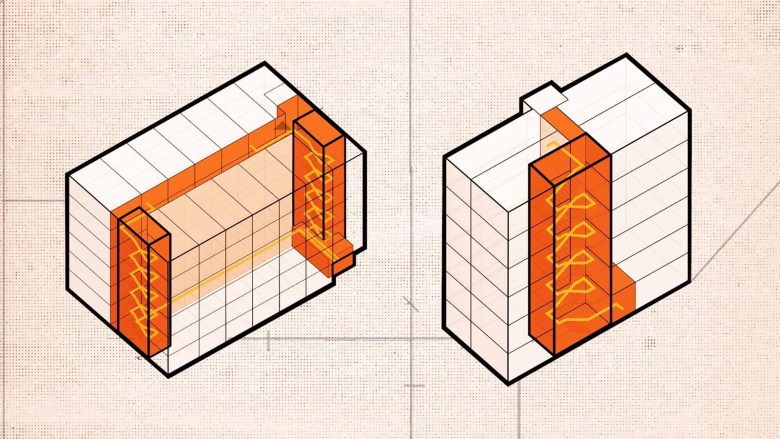
Across Connecticut, outdated fire safety regulations are blocking new homes and exacerbating our cost-of-living crisis. Right now, any residential building taller than three stories must have at least two staircases. That may sound harmless, but the rule drives up construction costs, makes it harder to build on small lots, and prevents many types of critical “missing middle” homes, especially in our town and city centers.
In 2024, Connecticut lawmakers passed “single-stair” reform, aiming to fix this lag in our building codes. While dozens of cities nationwide had already enacted single-stair reform, Connecticut was the first state to actively pass legislation calling for statewide reform, an exciting moment of leadership for us. The legislation directed the State Building Inspector to raise the three-story height limit for new residential buildings with a single staircase, making it possible to build more types of multifamily housing. This reform reflects a modern, safe design approach already in use worldwide, as well as in American states from Virginia to Oregon. But as other states move forward with strong, effective reforms, Connecticut now risks falling short in our execution.
Last month, the State Building Inspector’s office released draft updates to the codes that attempted to implement the reform. These proposed amendments remain open for public comment until October 11. On paper, the proposal raises the single-stair building height limit from three to five stories. In reality, it buries the change under extremely restrictive fire department staffing and capacity requirements for any town that wants to have such housing.
One mandate, for example, says that a fire department’s “initial full alarm assignment [must] include a minimum of 28 staff,” an unworkable requirement that even relatively large towns with professional fire departments like Meriden and Danbury cannot meet. These requirements will make many otherwise viable constructions impossible, undercutting the reform’s very purpose: to create more homes.
These restrictions in the August draft reflect a common but misguided concern: that taller single-stair buildings are unsafe in fires. The evidence says the opposite. Modern multifamily homes, including single-stair ones, comprise the safest housing stock in America. A recent Pew report found that multifamily homes built since 2010 have one-fifteenth the fire death rate of single-family homes or apartments built pre-2000. Why? New multifamily homes are built with strict requirements to utilize modern life-saving technology, like fire-rated materials, sprinklers, and self-closing doors. For single-stair buildings specifically, Pew found that after New York City passed reform in 2012, the rate of fire deaths in its 4,440 modern single-stair buildings remained the same as in other new residential buildings, which is to say, quite low.
If Connecticut wants to improve fire safety, the answer isn’t to block opportunities to build modern, multifamily housing, but to create more of them. Reforming outdated single-stair rules will make it easier to construct more new multifamily housing and redevelop older properties, which would be categorically safer than most of Connecticut’s existing housing stock, which is the sixth-oldest among U.S. states. In other words, effective single-stair reform doesn’t just promote affordability-—it actively improves fire safety in Connecticut by shifting residents from aging housing to modern buildings with better regulations. The fire community should be leading the charge for this reform.
Connecticut needs a practical and workable code update that matches the intent of the 2024 reform by helping us unlock more types of homes across the state. That means removing the stringent fire department requirements in the current proposed amendment. Otherwise, Connecticut towns won’t be able to adopt this reform, and our housing affordability crisis will deepen while our housing stock continues to age. Lawmakers took the right step in passing single-stair reform. Now, regulators need to follow through and craft codes that balance affordability and safety.
Done right, single-stair reform can simultaneously expand housing choices and improve fire safety —a win that Connecticut cannot afford to squander.
Amit Kamma is an Advocacy Fellow for Desegregate CT.