



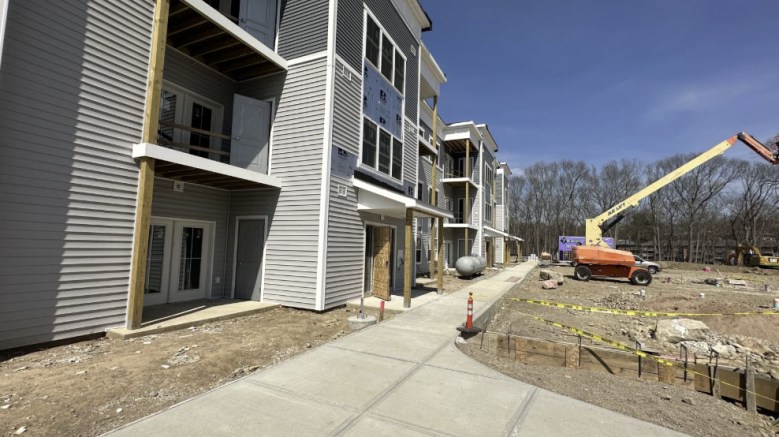
This year, the United States of America reaches its 250th year, and as the people of this state take stock of what makes us a great place to live, work, learn, and thrive, the primary focus should be on living. Namely, we need more places to live.
It is widely considered that Connecticut has a housing gap of 100,000 units, and Connecticut’s housing providers continue to believe the answer is rooted in math: Development + Renovation = More Housing, yet there are too many units of new multifamily housing that are stuck awaiting permit approvals to be built, upgraded, or refurbished.
Connecticut Apartment Association (CTAA) members provide over 73,000 apartment homes in Connecticut. We’d like to provide more.
As the state begins to implement last year’s housing legislation, An Act Concerning Housing Growth, which was passed in a November special session, we are asking Gov. Ned Lamont and state lawmakers to work with us as the sweeping new law takes effect, and evaluate any new proposal this session with this lens: Will it support—and grow—safe, secure housing?
Accountability in landlord-tenant relationships should be paramount.
In the past three years, the legislature has increased fees for health and safety code violations of up to $2,000 per day, limited late charges for overdue rent, capped tenant screening fees, reduced the legal time period a landlord has to return the security deposit, and prohibited landlords from keeping any portion of a security deposit to repair conditions identified during walk-throughs before they moved in.
There should be no such thing as an unreachable landlord, and beginning April 1, housing providers will have to provide a standardized rental terms summary form on every lease listing 24-hour contact information for the property management. Our members are working hard to implement this requirement on time.
Accountability is also enshrined in every lease. A lease is a contract, with a start and end date agreed to by residents and housing providers. When a lease ends, both parties have the opportunity to agree whether to renew it.
No one wants to be in an eviction situation—yet there are times when a housing provider needs to non-renew a lease when it ends. Sometimes, this is because a tenant violates their lease by not paying rent or creating a situation that is unsafe, disruptive, or threatening to the residents of the apartment community. Connecticut’s eviction law is extremely lengthy and uncertain, which leaves “lapse of time”—meaning ending a lease at its termination date —as the only reasonable tool for housing providers to move on from these tenants.
Lapse of time only makes up 7% of lease non-renewals, and reactive proposals to end it don’t protect Connecticut’s apartment communities and will not add a single new apartment home. This is why the legislature should —again— reject proposals to remove the right to end a lease contract when its term is finished.
Connecticut has also wisely resisted artificial rent caps in recent years because these caps can backfire, undermining housing creation, choice, stability, and affordability.
Rent should fairly represent the cost of providing rental housing —including maintenance, repair, upkeep, utility, property taxes, insurance, labor costs, and capital investments in updates and improvements. And those costs are increasing faster than rent increases.
We urge legislators to avoid the unintended consequences that can follow from well-meaning proposals, two of which are on the agenda at the State Capitol.
Security deposit restrictions make it harder for people with low credit ratings to rent an apartment. While apartment providers typically require one month’s rent as a security deposit, many landlords will offer “conditional approval” for those with marginal credit, allowing them to secure housing through a security deposit of up to two months’ rent, which is Connecticut’s legal limit.
Legislators should also understand that verifying the background of prospective residents is critical to the safety of the communities we manage and provide. Our residents depend on us to build a fair application process that evaluates prospective residents based on positive indicators, such as their credit report and past rental experience. Limiting background checks would weaken our ability to provide a safe, secure, and welcoming living community for all of our residents.
Accountability. Security. Growth. More housing makes Connecticut communities stronger, and Connecticut needs to make it easier to develop and build safe, secure multifamily housing that works for every budget.
We know each new session brings the opportunity to introduce new laws, but let’s be sure to implement and measure the impact of the reforms that were just passed in November and work together to support long-term and sustainable responses to grow more housing in Connecticut.
Lauren Tagliatela is co-chair of the Connecticut Apartment Association’s Government Relations Committee and Chief Community Officer at Canal Crossing at Whitneyville West.