


The accountability measures within the state police include a ban on neck holds that restricts a person’s oxygen.
June 15, 2020 @ 7:01 pm

Posted inJustice
Osborn Correctional nursing shortage even worse amid pandemic, union says

More than 20% of all health care vacancies in state correctional facilities are at Osborn.

Posted inCT Viewpoints
The governor should declare racism to be a public health emergency
In our current environment, without having a comprehensive strategy for addressing the causes of systematic racism including its relationship with housing, education, economic opportunities, and the criminal justice system, racism has reached a crisis level. In view of the above and so many more reasons, I urge you to declare racism as a Public Health Emergency in the State of Connecticut.

Posted inHealth
Amid the protests and pandemic, a renewed call for health equity reform

Reforms that have taken on fresh urgency include an expansion of Medicaid, better data collection and coverage for undocumented residents.

Posted inEducation
A federal agency says Connecticut must keep trans students from girls’ sports. The state disagrees.

The federal government found against a state law allowing trans girls to compete in sports according to gender identity.

Posted inCT Viewpoints
One college proposal — finding middle ground

For 16 years I have been a full-time faculty member at Three Rivers Community College. For 22 years I was a practicing attorney, mostly in corporate litigation. As an attorney I was involved in numerous business start-ups, expansions, acquisitions, divestitures, spin-offs, reorganizations, mergers, consolidations, down-sizing and shutdowns. Never have I witnessed a debacle like the One College proposal for consolidating the Connecticut community colleges.

Posted inCT Viewpoints
Gov. Lamont, anti-racist legislation cannot begin with a compromise
Gov. Ned Lamont’s administration stands at a crossroad. Down one path is real change and anti-racist legislation; down another are mere procedural reforms that leave a disastrous status quo mostly intact. The governor chose the wrong path in a recent letter sent to the legislature. In it, he proclaimed that he would call for a special session only after legislative leaders developed a bipartisan compromise, effectively shielding the legislative process from the public and likely stripping a civil rights bill of its most meaningful provisions.
Posted inCT Viewpoints
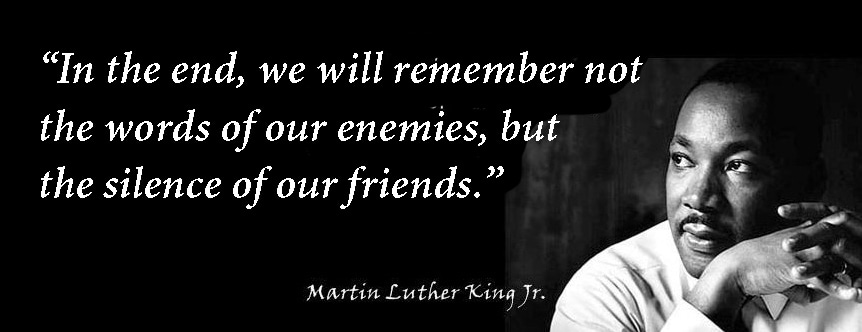
Silence implies consent
Last week the statement: “Silence Implies Consent” rang true to me with the death of George Floyd. I first heard: “Silence implies consent” when I was seven years old in Omaha, Nebraska while sitting around the kitchen table with my eight siblings and my widowed mother. As a half-orphan, I listened to my oldest brother, Peter who was the family patriarch. When Peter first told me that “Silence implies consent,” he was referring to a small infraction. Now, it means so much more to me than ever before.