



Many in prison escape the oppression of incarceration through literature, I was no different. My choice of literature was what one professor called “a dead art” — protest novels.
Black protest novels spoke to authentic Black issues and captured the emotions that governed the pain and oppression of the Black experience. I wanted to embody this type of writing, to tell the stories that anchor movements, and draw in support from all walks of life.

As I grew, my reality allowed my writing to become personal, giving texture to any issue and any victory. This gift helped me to tell my story about the intergenerational effects of growing up with a parent in prison, how these issues situate our children differently in society, and how that difference increases the likeliness of our children entering into the prison system.
At the age of 36, my return to society was atypical. I returned with a Wesleyan education, a diversely growing network, and a policy fellowship at a Community Development Financial Institution, despite being incarcerated at the age of 17. I was also being integrated back into society in a new city with the chief of police and chief operating officer of the city as a part of my network. I returned to society desiring nothing more than to grow as an individual and to help the communities that I hurt and in turn, was hurt by.
As a policy analyst, I didn’t read prose as often as I did while incarcerated, instead, I began to read white papers. White papers don’t flow or tell the stories in ways I desire to write and emulate poetic writers. However, the data in white papers told a clear story of the struggle, the oppression, and the resiliency I observed in the communities that raised me.
It was because of data-driving conversations of frustration with a colleague that I joined the Full Citizens Coalition (FCC). We began our first advocacy campaign telling stories of our disenfranchised community members, a campaign that held weight as we spoke from the trenches. We spoke data through storytelling to communities that were often blind to the legislative assault waged against Black and Brown communities. The same legislation that keeps ‘poor’ as a prefix to our community.
We continued our storytelling to the public, connecting with those most affected, and remaining resilient in organizing. This allowed members of our community to feel seen and heard, believing in the leadership of the storytellers. We had to plan and research while maintaining constant interaction with our community. We had to find allies that understood the stories we shared, the story of America and democracy itself — allies who choose to trust us and aid us in building capacity within ourselves and within the coalition.
In the ongoing pursuit of equity for our community, Universal Health Care Foundation of Connecticut has emerged as an ally, actively contributing to the realization of the Full Citizen Coalition’s mission. As I began to navigate the complex landscape of issues that persons leaving prison face, it became increasingly evident that in order to fully integrate back into society, systems such as health care would need to be addressed.
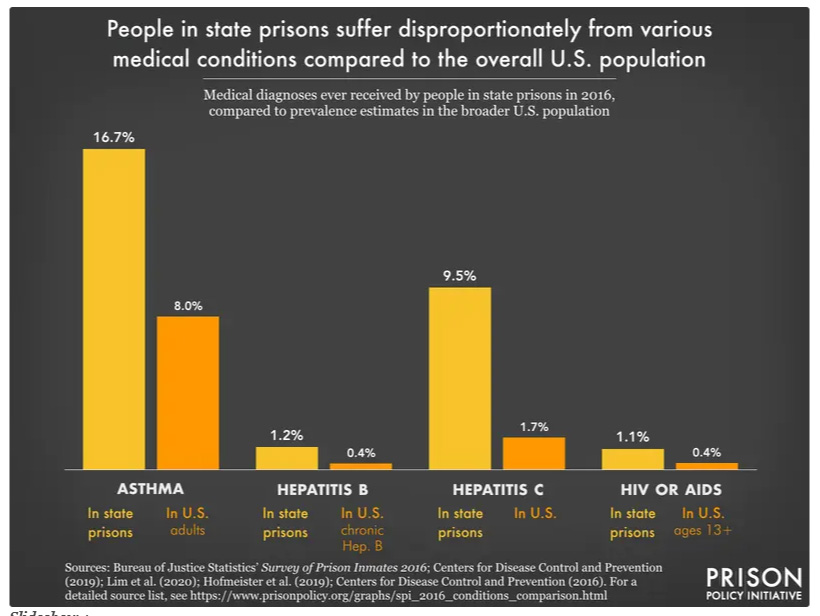
Parolees and persons leaving prison are at a higher risk of hospitalization and worsening health outcomes. Data from Yale’s Transitions Clinic shows most returning citizens in Connecticut with chronic health conditions die in less than six weeks from the time of release from prison without medical care.
The trauma of prison healthcare and the systemic barriers in society to access healthcare oftentimes pushes self-care, in the form of healthcare, to the back burner. Currently, FCC leads the state in ending felony disenfranchisement. Yet, without allyship, without fearless trust in partners and their fearless trust in us, we may accomplish nothing.
Allyship has come with our partnership with Universal Health Care Foundation who has recognized our hardships through our storytelling which is often seen in the lack of access to health care. However, we can end this systematic exclusion. We can continue to bolster the mission of equity and confronting systemic racism to foster an environment where every citizen, irrespective of their racial or ethnic background, can thrive as a full citizen.
James Jeter is Co-founder and Director of the Full Citizen’s Coalition.