



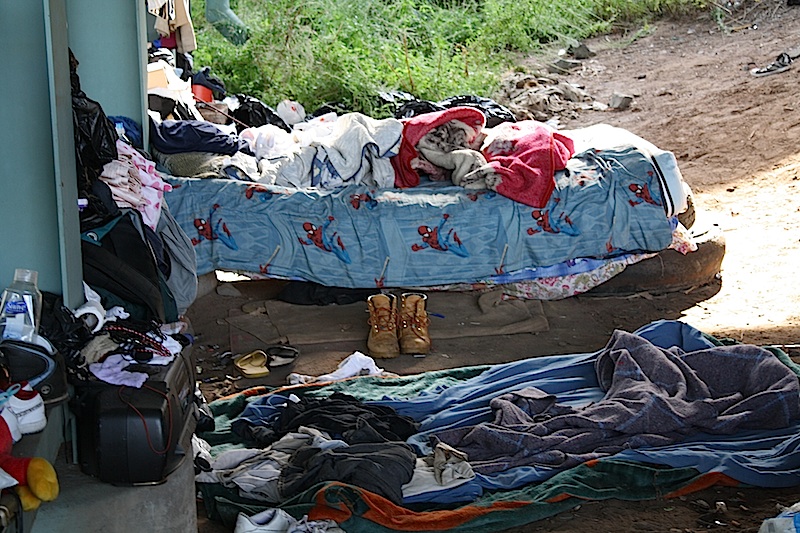
In a recent article by Salon, the potential bipartisan effort to criminalize homelessness has been brought to light. As professionals committed to positive societal change, it is crucial for us to engage in informed discussions surrounding homelessness, understanding the complexities involved.
Let’s explore the nuances of this issue and consider alternative approaches to address the root causes.
The Salon article highlights the possibility of bipartisan support for criminalizing homelessness, sparking concerns about the impact on vulnerable individuals. While addressing public safety is important, it is equally crucial to approach homelessness with empathy and a comprehensive understanding of the underlying factors contributing to this social challenge.
[RELATED: As homelessness rises in CT, providers ask for help]
Homelessness is often a result of a myriad of interconnected issues such as economic instability, mental health struggles, and lack of affordable housing. Criminalizing homelessness may not be the most effective solution, as it fails to address these root causes. Instead, we should advocate for policies that promote affordable housing, mental health support, and economic opportunities for those in need.
As professionals in our respective fields, we have the power to influence change by advocating for comprehensive solutions. This may involve supporting initiatives that focus on affordable housing projects, mental health resources, and job training programs. By addressing these fundamental issues, we can work towards creating a more inclusive and compassionate society.
LinkedIn provides a unique platform for professionals to engage in meaningful discussions. Let’s leverage this space to foster constructive dialogues around homelessness, sharing insights, and proposing alternative solutions. By staying informed and actively participating in these conversations, we can contribute to shaping policies that prioritize empathy and understanding.
Addressing homelessness requires collaboration across various sectors, including government, non-profits, businesses, and individuals. As professionals, we can play a pivotal role in fostering partnerships that promote innovative solutions and advocate for policies that prioritize long-term societal well-being over punitive measures.
In the face of potential bipartisan efforts to criminalize homelessness, it is essential for professionals to take a stand for empathy, understanding, and comprehensive solutions. By staying informed, engaging in constructive dialogues, and advocating for policies that address root causes, we can contribute to a society that values the dignity and well-being of all its members.
Let us work together to make a positive impact and create a more inclusive future for everyone.
Liliana Serrano of Vernon is a member of Invisibles No More.