



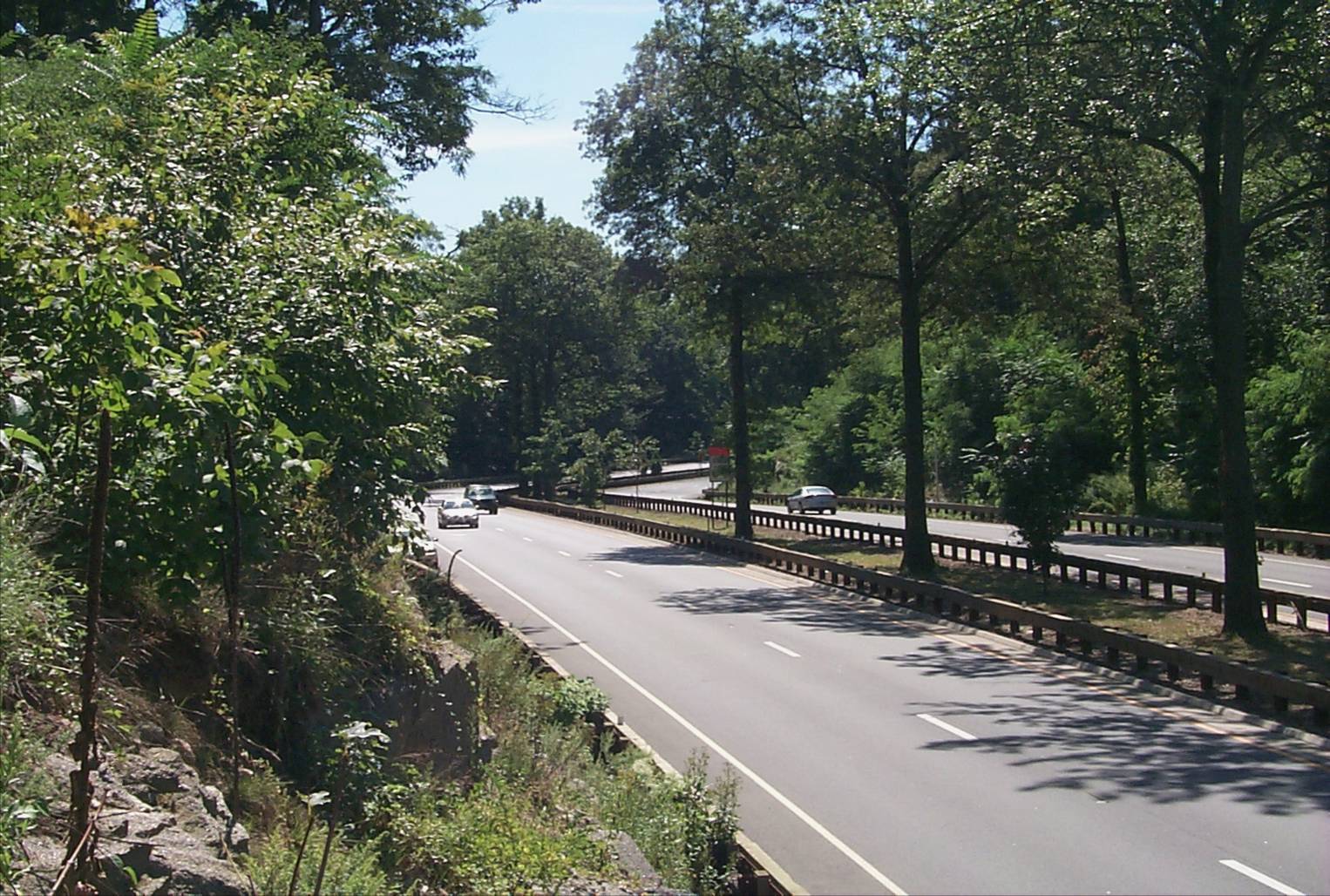
We are greatly disappointed with the opinion piece by DOT Commissioner Garrett Eucalitto.
Eucalitto stated that CTDOT takes down trees to protect the traveling public. We agree that protecting the public is essential. Damaged, diseased, and dead trees should be removed. But non-hazardous trees should remain, as trees also protect the public. DOT’s practice of indiscriminate clearcutting along roadways ignores the science which shows the extraordinary benefits of trees and the harm such removals cause, especially to disadvantaged communities.
DOT should prioritize the safety of the traveling public. It is time for an update to their understanding of what constitutes public safety. The DOT’s guidelines must provide appropriate vegetation management procedures and policies that reflect our increased understanding of the important role trees play in our physical and emotional health and in calming drivers, mitigating flooding, and controlling soil erosion. Trees beautify our roadways while providing natural protection and barriers for vehicles that leave the road.
These important safety measures and benefits are lost when trees are removed along our state roads, especially the Merritt and Wilbur Cross parkways. Removing healthy trees creates more harmful conditions on town streets that parallel those highways. Losing these trees results in lower property values. By exposing the residents to greater noise and more polluted air, it significantly impacts their quality of life.
Our least advantaged residents often live in heat islands. The trees along our state roads help to cool neighborhoods. Trees are critical to wildlife including birds and pollinators and are necessary for a healthy ecosystem. These benefits and services are worth millions of dollars and also help to save lives.
A balanced, informed approach will help save lives affected by climate change. To be safe, roadway policies must include a replanting and replacing program using appropriately sized species of trees. Wallingford State Rep. Mary Mushinsky suggests that “… the solution to public protection from tree falls and collisions with trees is to use smaller evergreens and low-growing shrubs alongside the parkways.” Mushinsky is currently working to replace one section of missing trees that removed privacy and shade for residents in her community.
All of these benefits of trees should be factored in when updating the vegetation management guidelines to create a safe highway system and will also allow the DOT to determine the true cost and value of vegetation management so a complete and accurate budget can be developed.
The overall safety of our highways and abutting neighborhoods is much greater with appropriate trees and plantings than without them. Protecting our greatest natural ally in the fight against climate change — our trees — is consistent with our critically important state climate goals.
We thank our neighbors for supporting our non-hazardous, life-giving trees. We call upon the legislature and Department of Transportation to reevaluate their approach to state road safety and actively support green infrastructure solutions whenever and wherever possible to create a more sustainable and resilient Connecticut.
Co-written by Diane Hoffman with Susan Neitlich and Ralph Jones, all of Hamden; Juliet Cain, Leslie McCarthy and Natalie Tallis of Darien; JoAnn Messina and Elizabeth Hopley of Greenwich; Molly LeVan of North Haven; Laurie Heiss of Redding; Ed Hayden of East Haven and Peter Spain of Bridgeport.