



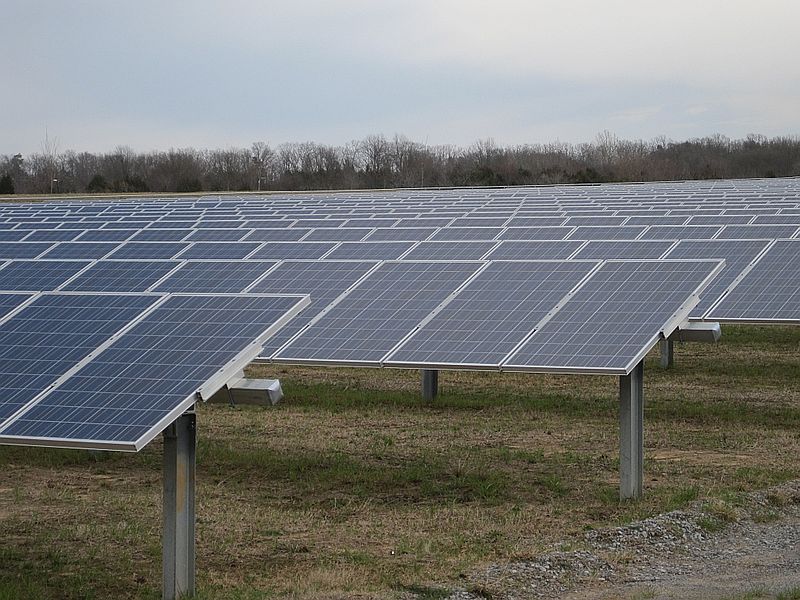
The Town of Manchester is a leader in adopting solar energy technology and continues to pursue and promote solar energy projects where feasible and appropriate. For example, the town has installed solar photovoltaic systems at seven municipal buildings, including six schools, which are expected to save more than $100,000 in energy costs each year.
The blueprint that Manchester is using in pursuing increased application of solar energy generation reflects both their green energy goals as well as their knowledge of local building and property constraints. Unfortunately, Manchester and other towns are generally precluded from participating in rendering a decision when it comes to certain commercial solar generation facilities within their borders.
The Connecticut Siting Council has exclusive jurisdiction over the location of large solar electrical generation facilities in Connecticut. Towns may provide input to the Siting Council’s review and decision-making process for facilities proposed in their towns but they do not have a vote and do not participate in the Siting Council’s decisions. This is despite the fact that they have detailed knowledge of the properties involved and issues associated with those sites and neighboring properties.
As an example, the Town of Manchester is precluded from decision deliberations on the appropriateness of a proposal by Tritec Americas, LLC to build a .99 megawatt solar electrical generation facility at 250 Carter St. in Manchester. This facility would require clear cutting 7.5 acres of core forest and is located on a hill in close proximity to several sensitive wetlands, a natural gas pipeline, a portion of the Shenipsit Trail and the homes of over 50 residents.
The town has raised concerns with the Siting Council about the proposal including the stormwater management plan which residents contend will exacerbate existing stormwater and groundwater issues on their properties. Manchester residents question the location of the proposed solar farm. But providing comments, evidence and testimony is the extent to which they may participate.
It is uncertain as to what decision the Siting Council will render after a May 2 public hearing on the proposal, but Manchester should have a vote in this decision that could have significant adverse environmental effects that the town, neighboring properties and town residents in general would have to live with. This is a perfect example as to why the Connecticut legislature should pass SB 198 which would establish local representation on relevant matters before the Siting Council.
A similar measure passed overwhelmingly in 2023 but was vetoed by the governor and the legislature declined to overturn the veto. That was particularly disappointing when towns like Manchester have shown that they share the governor’s views on solar energy and are proactively pursuing the goals that he espouses in that regard.
This year, the legislature not only needs to pass SB 198 but also needs to stand strong and overturn a veto if Gov. Ned Lamont once again decides against having a much-needed local presence on the Siting Council.
Ray Welnicki lives in Manchester.