



Growing up I was always known as the quieter kid. I always sat in the back and had a fear of being in front of a large group of people. I was never taught at a young age what “mental health” was or, even more specifically, anxiety.
When I was around 8 years old, I started to feel things which I didn’t think were normal, such as anxiety, which deteriorated my self image. I felt alone and ashamed. I thought something was wrong with me. It wasn’t until I entered high school that I discovered what mental health was.
At that time, I started getting the help I needed, only to wish I could have at a younger age.

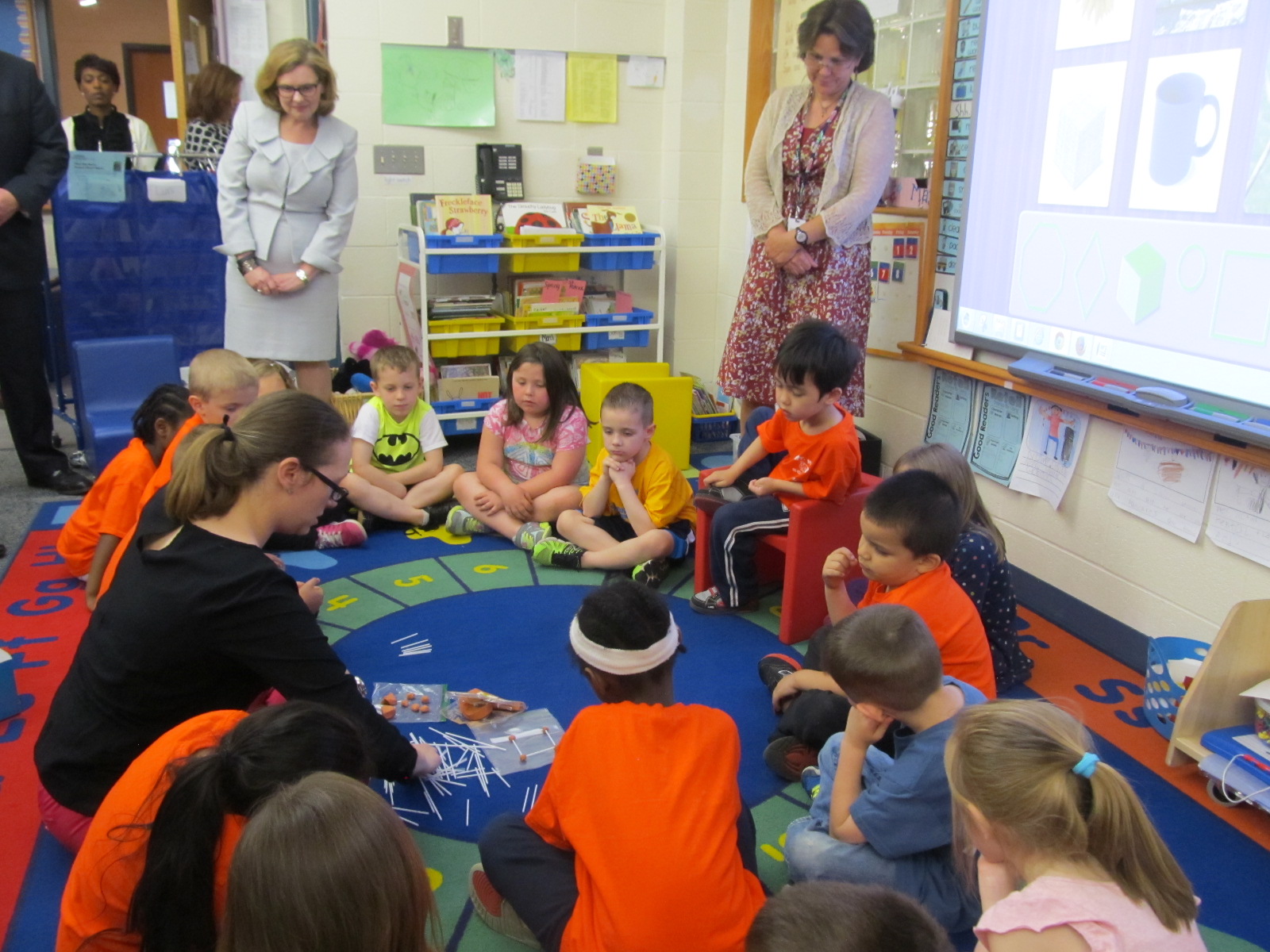
The average age of kids developing anxiety or phobias is around the age of 5.5 years old. This is the age in which children are entering kindergarten. Having to start going to school full-time is already hard enough for these children; having to deal with mental health problems is an issue that these kids cannot handle on their own.
Children are most commonly diagnosed with mental health issues ranging from 3-17 years of age. In the United States, 20% of children are diagnosed with mental, emotional, developmental, or suicidal behavior. Mental health issues are said to be the leading cause of death in children. Children who are diagnosed with mental health issues struggle to do better academically. Research shows that in the United States in 2015, 22% of college students found that anxiety was a leading factor to a decrease in their overall grades.
More help and awareness is needed for children in these younger age groups.

The Connecticut legislature is considering a bill to provide more resources to help young children deal with their mental health. This bill would create a strategic plan to assure that enough funding gets put into these services to help young children. It is directed specifically to children 6 years old and younger, as well as any services their caregivers may need.
Some of the resources that this bill provides are the State Medical Assistance Program, as well as federal grants administered by the Departments of Social Services and Mental Health and Addiction Services. The bill also says that no later than Oct. 1, 2024, more funding should be available for mental health services for children six years of age or younger.
The educators of these young children play an important role in bringing awareness to anxiety and mental health. There should be training sessions given to teachers on how to identify a child who has anxiety or mental health, and if so, how to deal with them and their symptoms, making sure that the classroom is a safe space for children to come forward and express what they are feeling. Lastly, incorporating mental health into lesson plans so that these young children feel comfortable and do not feel as if they are alone in what they are feeling.
If kindergarten and elementary classes brought more awareness to mental health, more students would speak up about it. The help that we receive as young children is what sets us up for either success or failure in our futures.
As a community we have a chance to help children who struggle with these illnesses to overcome them and achieve what they are meant for academically. The rates of young children developing mental health issues such as anxiety is rapidly rising. More funding needs to be put into mental health services for these children. We have a chance to help them cope while they are still young; it should not be overlooked.
Meriel Assi is a sophomore at Sacred Heart University, majoring in Health Science on a Pre-Physician Assistant track.