



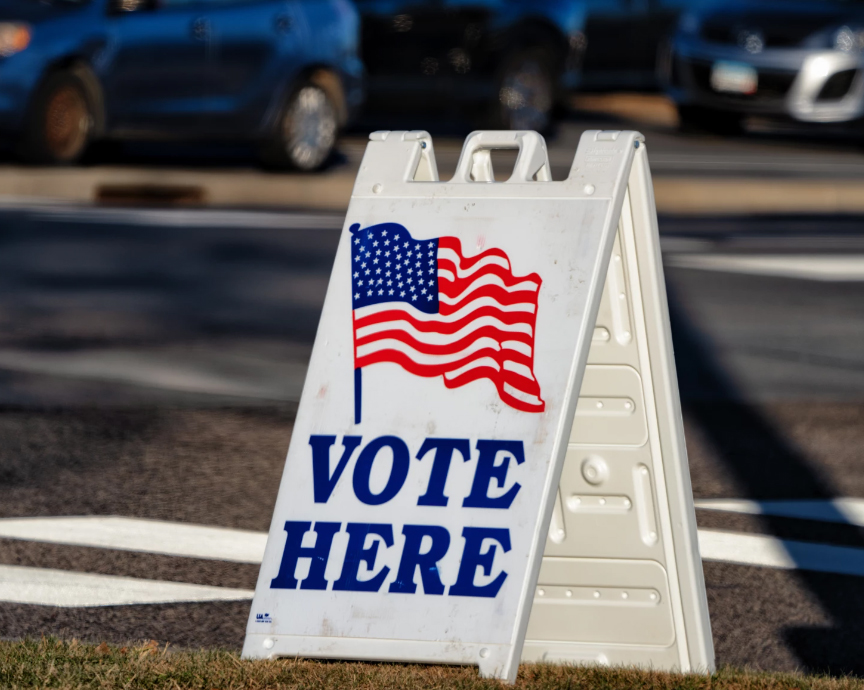
This year, Connecticut will roll out early voting, allowing people to vote before the 2024 election from Oct. 21 to Nov. 3. This is in-person voting and will work the same as on Election Day, except people can now go at a time that works better for them.
Voting on Election Day can be challenging for some people; it’s a Tuesday from 6 a.m. to 8 p.m., and not everyone can find child care or time before or after work. As a teacher, I know that you get more participation by trying to find ways that work for everyone. Early voting, Election Day voting, and absentee voting are all part of that.
I want to see us go further at the state and national levels. In Connecticut, we implemented automatic voter registration in 2021; this program to register people to vote when they get their driver’s license seems so beneficial that it is a travesty we do not have it nationally. No excuse absentee ballots should also be available to everyone, including Connecticut. As a state and nation, we also need to fund our elections, registrars of voters, and election workers properly so that they can do their jobs.
The United States is a federal democratic republic founded on the idea that its citizens are the critical piece for the nation to work; that is why the Constitution begins with “We the people.” Voting rights are the cornerstone of a free and fair democracy, allowing individuals to express their preferences, hold elected officials accountable, and shape the future of their communities and country.
[RELATED: Early voting in CT brought out almost 18,000 out of 1.2 million]
In the wake of recent debates over voting rights and the integrity of our electoral process, it’s crucial to reaffirm the fundamental importance of safeguarding democracy and ensuring equal access to the ballot box for all citizens.
Voting rights have been bumpy in the United States; property requirements, race, age, and gender have all been used as restrictions to keep people from voting. Women were not allowed to vote until 1919, and until 1971, people between 18 and 20 were not allowed to vote. As a history teacher, I know that this has not been as consistent of a march forward as we would like to think. After the passing of the 15th Amendment in 1870, which guaranteed the right to vote for all men regardless of race, many states crafted laws to get around this, including Connecticut.
Connecticut’s voting history underscores the importance of protecting and advancing voting rights for all citizens. Connecticut has a dark legacy of voter suppression, mainly targeting communities of color. Between the elections of 1812 and the new state constitution of 1818, Connecticut enacted laws restricting voting to white adult males. Petitions protesting these restrictions flooded the state General Assembly, but the law remained until the passage of the 15th Amendment.
Connecticut was also the first state to implement a literacy test, a policy rooted in racism and aimed at disenfranchising, which persisted for nearly a century. In 1956, the Connecticut Republican Party sued to prevent Puerto Rican men from voting in Windsor, leading to a discriminatory ruling that denied voting rights based on literacy test results.
The federal Voting Rights Act was crucial in dismantling these discriminatory practices, including Connecticut’s literacy test, which remained in effect until 1965. Yet, despite the progress we’ve made over the years, there are still barriers that disenfranchise certain groups of people, perpetuating inequality and undermining the principles of democracy. Unfortunately, some in the current United States see disenfranchisement as a way for them and their ideas to gain power.
Today, fear tactics center around the notion of widespread voter fraud, perpetuated by certain individuals who aim to sow distrust in our electoral process. This misinformation campaign seeks to undermine confidence in our democracy and erode the legitimacy of election outcomes. Such tactics are harmful to the democratic fabric of our society, as they threaten to disenfranchise voters and undermine the integrity of our electoral system. We must reject these baseless claims and instead focus on promoting trust, transparency, and participation in our electoral process. We must work together to safeguard the fundamental principles of democracy and ensure that every voice is heard in our elections.
One of the most effective ways to improve our democracy is by expanding access to voting, not restricting it. Efforts to suppress voter turnout under the guise of combating fraud or preserving tradition erode the foundations of our democracy and silence the voices of marginalized communities.
As we confront the challenges of the 21st century, let us recommit ourselves to the principles of democracy, justice, and equality for all. By embracing inclusivity, promoting civic engagement, and defending the rights of every citizen to participate in the democratic process, we can build a stronger, more resilient society that reflects the values of freedom, fairness, and opportunity for all.
Nick Menapace lives in Niantic.