


As winter arrives, Connecticut faces the perennial concern of ensuring affordable heating for its residents.
The health implications are significant: in spite of the headlines on heat this summer, the CDC indicates that roughly twice as many Americans die of cold in a given year than of heat. Cold weather exacerbates underlying health conditions, and hypothermia remains a real threat for vulnerable populations in Connecticut, claiming 4 lives earlier this year.
With November being Connecticut’s Heating Assistance Awareness Month, a renewed call for the state to support and increase the pace of heat pump adoption is opportune.
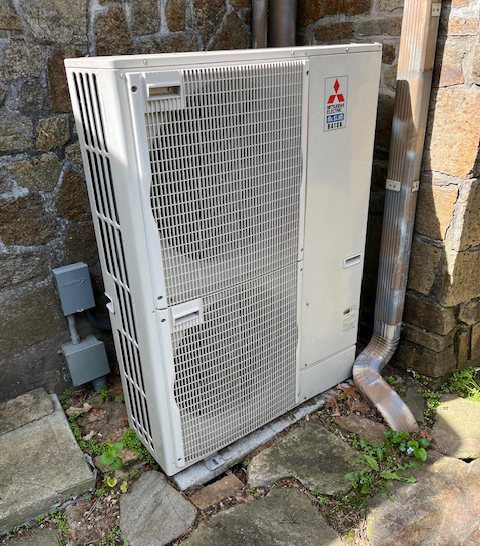
Heat pumps operate by transferring heat from the outside air, even in cold conditions, into homes and buildings. Unlike traditional heating methods, heat pumps use electricity to move heat, making them significantly more energy-efficient, and potentially more cost-efficient. The average homeowner in Connecticut can expect energy cost savings of about $771 a year, which is significant especially as energy costs continue to climb. Furthermore, as weather conditions become more extreme across seasons due to climate change, heat pumps are versatile systems that can improve our climate resilience, offering cooling in summer in addition to heating in winter.
Traditional heat pumps have historically struggled to provide efficient heating in colder climates, as their performance diminishes with dropping temperatures. However, advancements in technology have led to the development of cold-climate heat pumps that effectively address this issue. These systems utilize variable-speed compressors powered by inverters, enabling them to adjust their operating speed to match the heating demand precisely. This adaptability allows cold-climate heat pumps to maintain high efficiency, even at sub-zero temperatures which Connecticut is no stranger to.
Beyond financial savings, heat pumps offer substantial health benefits that are often understated. Traditional heating systems, especially those reliant on oil, natural gas, or propane combustion, emit pollutants such as carbon monoxide, nitrogen oxides, and particulate matter such as PM2.5 particles. These pollutants can accumulate indoors, compromising air quality and exacerbating respiratory conditions such as asthma or bronchitis. Exposure to particulate matter, in particular, has been linked to severe health outcomes, including cardiovascular issues, reduced lung function, and increased risks of premature death.
These health risks are amplified in urban areas and neighborhoods near highways, where residents already endure heightened exposure to outdoor air pollution. Children and the elderly are especially vulnerable, with studies showing that long-term exposure to nitrogen oxides and PM2.5 can hinder lung development in children and exacerbate age-related respiratory decline in seniors.
Replacing combustion-based heating systems with heat pumps offers a clear path to mitigating these risks. Heat pumps provide clean, combustion-free heating, drastically reducing indoor pollution levels and improving public health outcomes for the most vulnerable.
The environmental benefits are equally compelling. As heat pumps consume less energy and do not rely on combustion, they can substantially reduce greenhouse gas emissions arising from heating, compared to traditional systems. This aligns seamlessly with Connecticut’s broader climate goals, positioning the state to reduce its carbon footprint while fostering healthier, more livable communities. Promoting heat pump adoption is not just an energy-efficient solution—it’s a critical step toward protecting both public health and the environment.
Most of all, the push for heat pumps presents an opportunity for Connecticut to reckon with historical injustices. Decades of discriminatory housing policies, such as redlining, have left many communities of color in Connecticut disproportionately exposed to environmental hazards. These same communities often struggle with inadequate heating in older, poorly insulated homes, leading to higher energy bills and greater health risks during winter months.
Targeted heat pump initiatives can help address these historical inequities. By prioritizing incentives and installations in underserved neighborhoods, Connecticut can reduce exposure to pollutants and lower energy costs for the families who need it most. This approach represents an opportunity for the state to advance environmental justice while tackling broader issues of energy affordability and health equity.
Connecticut has taken steps forward by joining the New England Heat Pump Accelerator Coalition, which recently secured $450 million from the U.S. Environmental Protection Agency to promote heat pump adoption across the region. With up to $100 million allocated to Connecticut, the state has a significant opportunity to boost outreach, streamline installations, and ensure equitable access to this technology.
To fully realize this potential, Connecticut must embrace cold-climate heat pumps as a cornerstone of its energy and public health strategy. This means expanding rebate programs, prioritizing underserved communities, and leveraging partnerships with regional and national stakeholders to scale up adoption. By doing so, the state can protect its residents from climate extremes, improve public health outcomes, and establish itself as a leader in fostering climate resilience.
Ming Cheng Yap attends Yale University.