



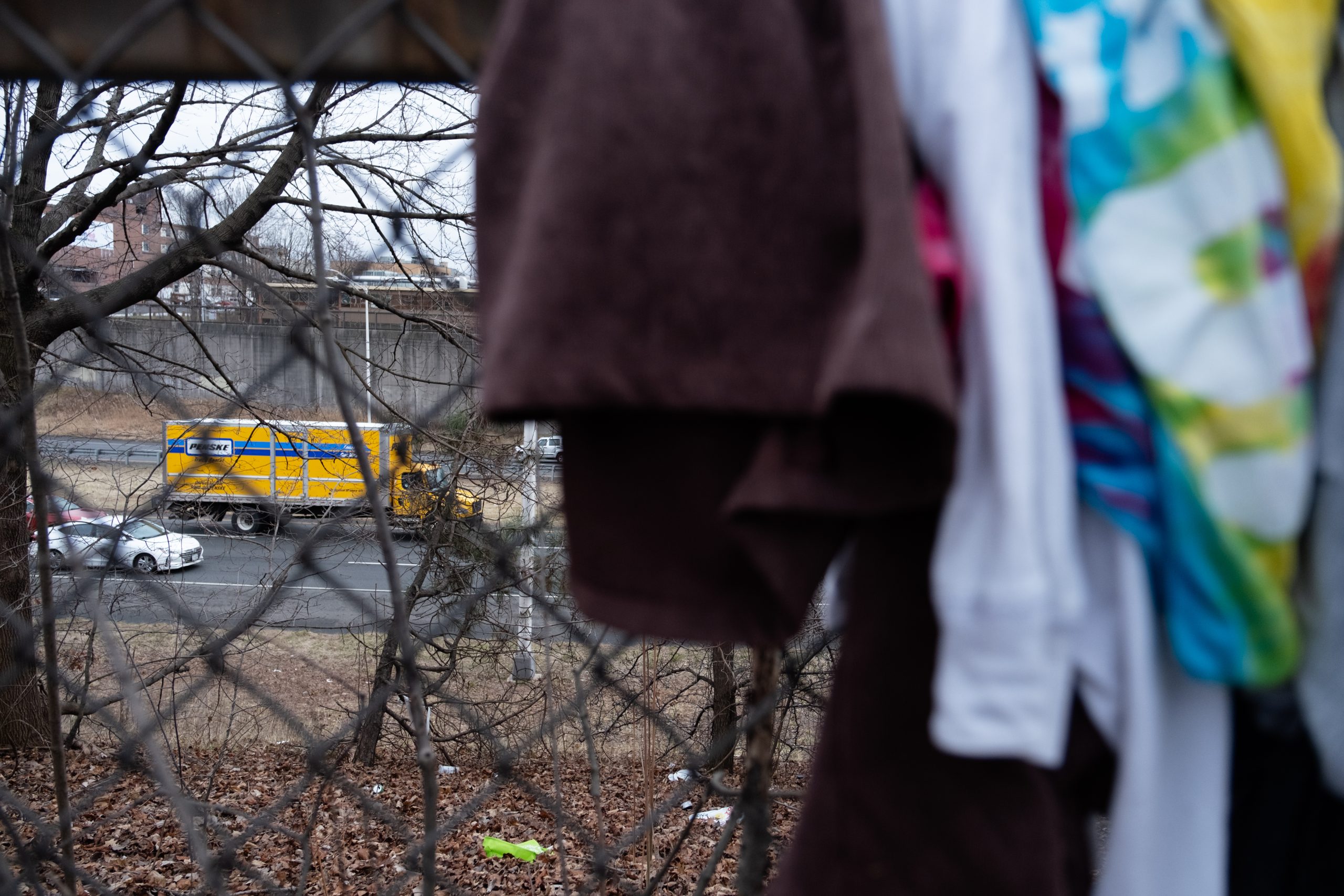
Unsheltered homelessness is the most unsightly example of capitalism that one can face. Communities all over the country are fighting the same battle, using various degrees of excuses and blame to answer the question at least four decades in the making: Where can people be homeless where we don’t have to see them?
Unfortunately, homelessness is the crass reality of our political system. Eons of individualistic, “pull yourself up by your bootstraps” messaging has led the public to believe that if a person is experiencing homelessness, they didn’t work hard enough. More insidiously, there is an undercurrent of blame and focus-shifting that has allowed for a widening divide of the haves and have-nots, with false information and misrepresentation of opinions as fact at the helm.
We hear talking heads say, “illegal immigrants are taking all of our jobs,” but not, “Walmart intentionally pays their employees so little that they require taxpayers to subsidize their staff’s welfare through supplemental income and food stamps, despite the Walton family owning 25% of grocery shares and holding the title as the single richest family in America, with three of their family members holding top 20 spots in the Forbes 2024 billionaires list.”
It’s always, “Democrats (or Republicans!) in office are making groceries more expensive,” not “the consolidation of 69% of all supermarkets being owned by four mega-corporations has allowed for unprecedented price gouging that has driven up the price of food over 20% since 2018.”
And my favorite — “Poverty is their own fault– they did drugs, they have mental health issues, they didn’t aspire higher,” as if millions of Americans aren’t able to maintain housing while struggling with mental health or substance use. And yet, having spent years in homelessness services spanning from direct care to system management, it is clear that not only is homelessness a byproduct of political will, but the onslaught of propaganda that Americans absorb without even realizing it has allowed the average American to not see the wool being pulled over their eyes when it comes to surviving their own financial crises, let alone compassionately understanding someone else’s.
More money than ever is being spent on homelessness response, without adequate intervention to prevent the experiencing of homelessness in the first place. Homelessness in our state has increased 13% over the past year, primarily due to stagnant wages, an unregulated rental market, and a lack of housing available to meet demand.
For first time home-buyers and empty-nesters looking to down-size, the housing market is strapped with outrageous mortgage rates, scarcity of options, and intense competition from fellow residents as well as private equity. When more households are renting and unable to move out of rental units, rental units are unavailable for households that prefer to or need to rent for financial reasons. This “hot potato” for housing allows for rents to increase in the appearance of a free market economy, especially in the absence of any governing body to regulate. And make no mistake- this is a race and class issue. Across the state, more Black, Hispanic, Native America, Asian American-Pacific Islander, multi-race, and “other” ethnicities rent (335,799 combined) than own (221,562 combined). Caucasian people in the state own roughly 3.5 times more housing (761,238) than Black, Hispanic, Asian American, Native American, multi-race, and “other” combined.
Housing is healthcare; housing is economic justice; housing is racial justice. The federal government has abdicated its responsibility to care for its people over the past 40 years, and it is clear that this current administration has perverse priorities as to what parts of government intervention they are focused on.
Many of my housing colleagues like to say, “Never waste a good crisis.” Well, across the state, our communities are in a massive economic crisis. What will the State of Connecticut’s elected officials decide to do about it this legislative session?
Caitlin Rose is Executive Director of the Friendship Service Center, Inc. in New Britain.