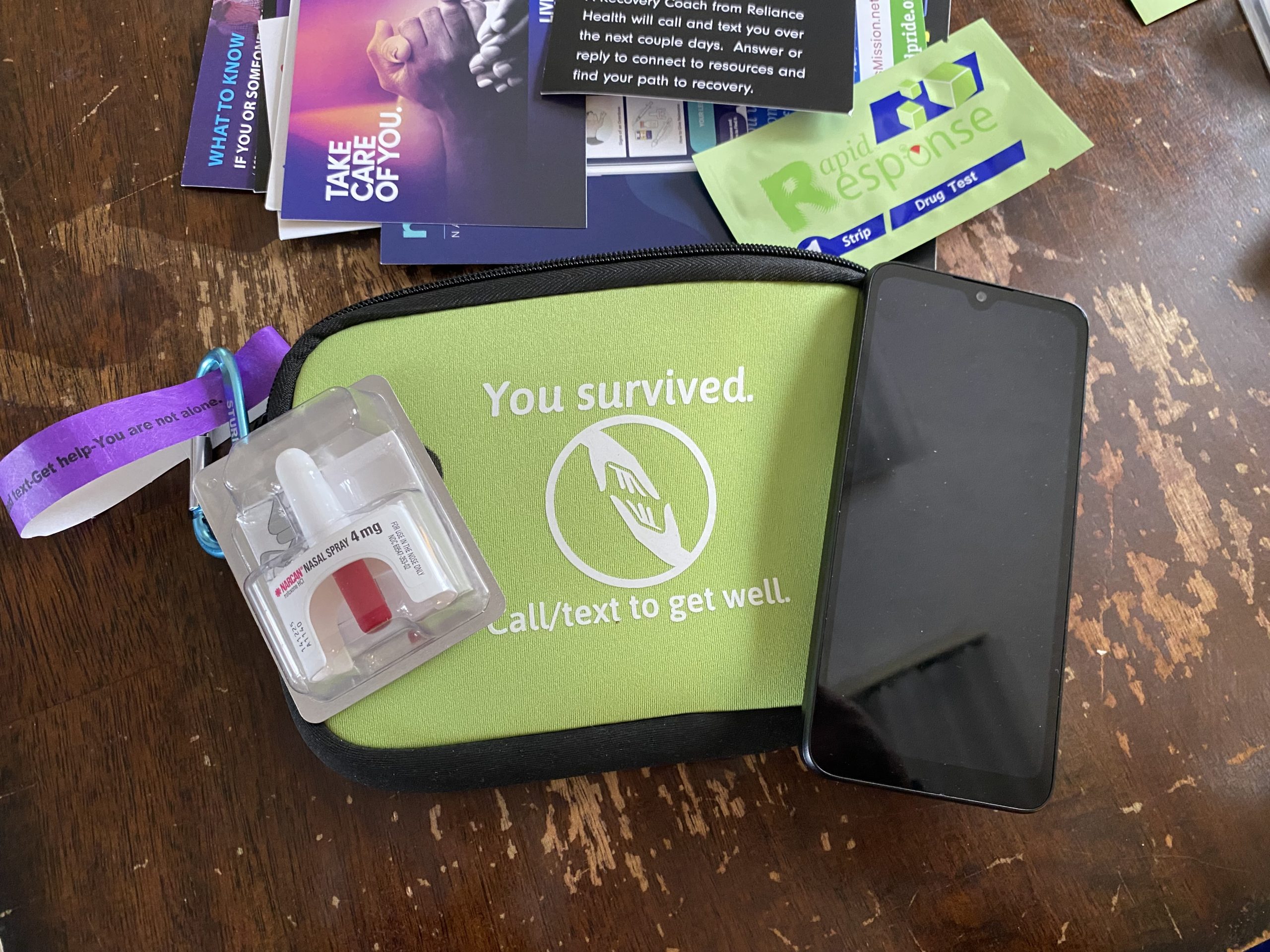
The Public Health Committee heard testimony on Friday on a bill that would create a pilot program for overdose prevention centers in the state, where people would be able to use drugs in a monitored setting with safeguards for health, like access to sterile needles, fentanyl test strips and the overdose reversal drug, naloxone.
S.B. 1285 would create overdose prevention centers in four municipalities across Connecticut beginning in July 2026. In addition to providing a space to use substances, there would also be support to help those people access mental health counseling or medical treatment services.
At Friday’s hearing, Annajane Yolken, the director of Programs at Project Weber/RENEW, testified about the new overdose prevention center that her organization is operating in Rhode Island. The center has been open for just a month and has seen almost 200 visits and 14 overdose interventions. She said that in Rhode Island the effort to get political backing for the center was successful thanks in part to the number of lawmakers who have been touched by the issue of overdose.
“People knew that too many of their neighbors, their loved ones, their friends and constituents were dying and something needed to change,” Yolken said. Yolken said there is an opportunity for smaller, public health-minded states to take the lead in helping their constituents through the opioid crisis through legislative action. Such sites are still rare in the U.S. but have proven effective in other countries in preventing overdose deaths.
Mark Jenkins, the founder of the Connecticut Harm Reduction Alliance, said that the battle to open such a center is about making the issue palatable to lawmakers.
“Until people started dying in Hyannis and Avon and Simsbury and people started knocking on your doors, these weren’t issues,” Jenkins said to the Public Health Committee. “We have the evidence, we have everything to show that these public health initiatives work. But they’re still not embraced, why? Because they’re offensive to our morals.”
Sen. Saud Anwar, D-South Windsor, who is sponsoring the bill, held a press conference earlier in the day.
“We ask for the people who have not heard about this to come in with an open heart and an open mind,” Anwar said. “Overdose is not a crime. And I should repeat this a couple of times: overdose is not a crime — it’s a crisis.”
Anwar said that during an overdose, there is an opportunity to intervene and save a life. “Only people that live go to rehab. Only the individuals that survive can heal,” he said. “And that’s why overdose prevention centers are not just facilities, they are a lifeline.”
According to a report by Yale researchers for the Connecticut Opioid REsponse (CORE) Initiative, people who use opioids alone are at high risk of dying of an overdose and should be a focus of the investment in saving lives.
Cameron Breen also spoke at the press conference about his experience overdosing. Breen’s mother awoke from her sleep to find him before it was too late.
“I’m tired of burying my friends. I’m tired of watching their caskets get lowered into the ground. I’m tired of looking at their family and friends while they sob and weep and knowing that their lives will never be the same again,” Breen said. “People who use drugs do not deserve to die simply because they use drugs. Today we can save lives by supporting overdose prevention centers and S.B. 1285.”
Though many of those who spoke on Friday were prepared to push back against concerns over the morality of providing a venue for people to use drugs, written testimony submitted to the Public Health Committee overwhelmingly supports the bill.