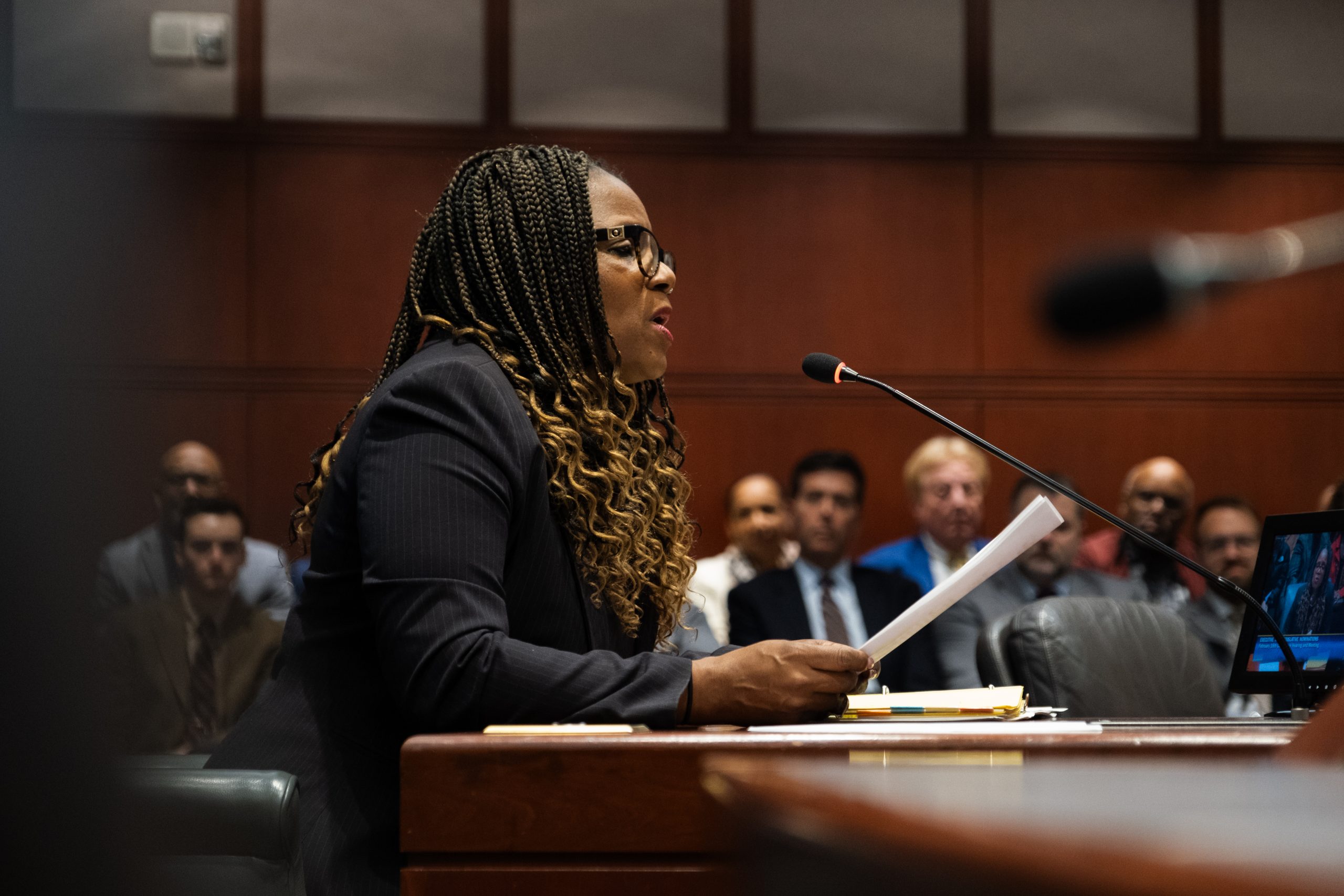
Connecticut nonprofits that run foster care programs for some of the state’s highest-need children are facing rising insurance costs that could force them to discontinue those programs, providers said.
In 2022, the federal government passed a law that removed the statute of limitations for lawsuits related to child sex abuse, meaning providers can face civil action decades after the abuse occurred. The law aims to provide justice to victims.
But foster care programs across the country say insurance companies are citing the law as a reason to end long-standing liability insurance contracts or drastically increase costs of those coverage plans.
“My agency is 100 years old,” said Chris Lacey, chief executive of the Waterford Country School. “I have the responsibility to make sure it lasts about another 100 years, and if foster care is too risky for insurance carriers to get into, maybe it’s too risky for me to get into.”
Lacey’s agency manages a therapeutic foster home program under a contract with the Connecticut Department of Children and Families. The school also has special education programming and runs a Specialized Trauma-Informed Treatment Assessment and Reunification, or STTAR, home which is meant to be a shelter and respite treatment program for children with severe behavioral issues.
Therapeutic foster homes have been used as a way to keep children out of more restrictive settings such as inpatient psychiatric care. Foster parents in these settings are trained to support children with serious mental health conditions. Between 400 and 600 children in Connecticut are in therapeutic foster care.
The Waterford Country School has gotten its liability insurance through the same company for years. They’ve never had a claim on the policy, but the insurance company told them a few weeks ago that they were no longer covering foster care programs.
Eric Goldberg, an attorney with the American Property Casualty Insurance Association, said insurers are seeing more courts and juries finding providers liable in lawsuits and plaintiff attorneys making requests for a quick decision.
The requests often mean that the plaintiffs’ attorneys are asking for a final decision on a case before the insurance company has had time to investigate, Goldberg said. There are also more awards offered than in past years for pain and suffering, he said.
“Carriers, in an abundance of caution, often are settling cases that they may ordinarily have litigated, or at least sat down and had a conference with another party to be able to exchange the information that was needed,” Goldberg said.
Few insurance companies provide this type of insurance, so options are limited, Lacey said. His agency’s foster care contract is for about $1 million, he said, and it could be facing annual insurance payments that cost half of that contract.
New Britain-based Klingberg Family Centers has seen modest increases on its insurance premiums of 3-5% in recent years. This year, the costs increased by about eight-fold annually for less coverage. The nonprofit had a $10 million umbrella policy and had to drop that to about $2 million, chief executive Steven Girelli said.
The family centers have never had a claim, Girelli said.
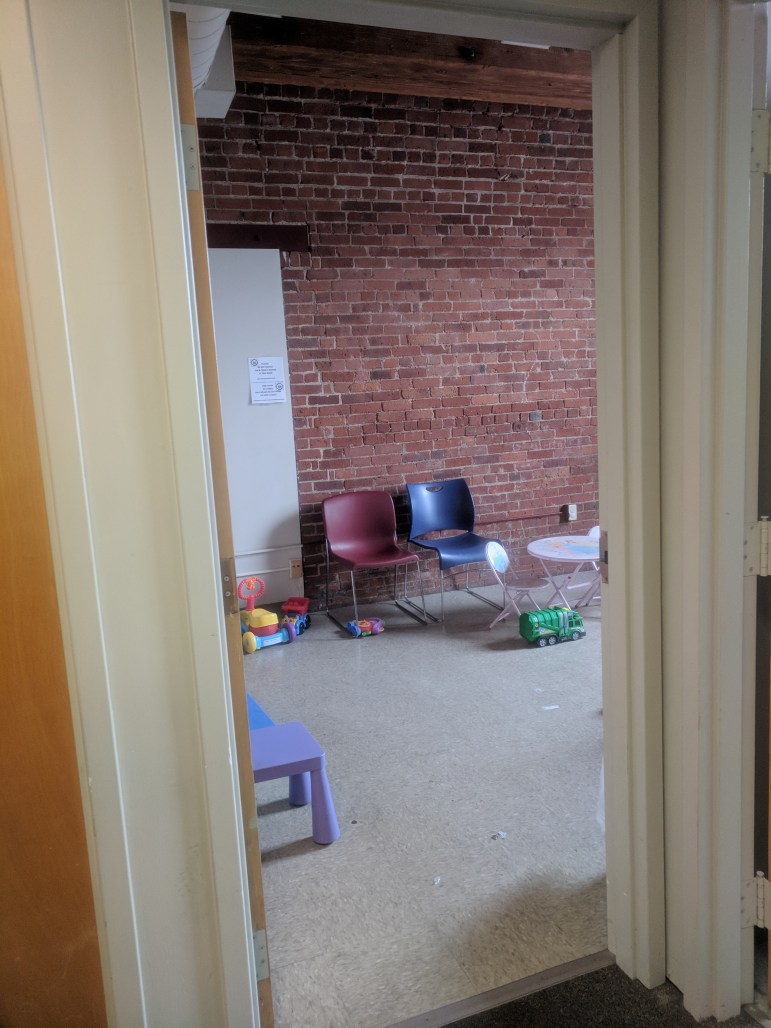
“I don’t think we, or any of the foster care providers can absorb this dramatic increase in cost and increase in risk exposure indefinitely,” Girelli said. “It’s just, for us, it would be untenable.”
The Village for Families and Children’s insurance costs have increased from about $300,000 in 2021 to nearly $1 million annually this year, and they’re expecting more increases, chief executive officer Hector Glynn said.
Providers met with state officials from DCF and Gov. Ned Lamont’s administration last month to inform them of the issue.
Mary Quinn, a spokesperson for the state’s Insurance Department, said the agency is “actively engaged,” in discussions to address this issue and that Senate Bill 1322, which is under consideration by state lawmakers, would require the agency to study the insurance market issues for nonprofit providers.
“The Connecticut Insurance Department (CID) is aware of the challenges foster care providers are facing in securing affordable and adequate liability insurance and understands the urgency of this issue,” Quinn said in a written statement.
Providers said the foster care system, which is already strained, could break down further without the nonprofit programming.
Nonprofits across the country are being forced to close because they can’t get liability insurance, and in some states foster care providers can’t find any insurers who are willing to offer policies, according to a March report from the American Enterprise Institute.
Lawsuits and “bad public policy,” have driven insurance costs up, outpacing inflation, according to the report.
Lacey said there are a couple of steps the state or federal government can take to fix the problem, including establishing special liability protections for foster care providers. It could also establish a government-backed or captive insurer created only to insure foster care programs.
The American Enterprise Institute report also recommended establishing a compensation fund to provide one-time payments to victims.
The state is in the early phases of figuring out what to do.
Glynn said the state needs to find a solution, and soon. Nonprofits can endure the financial loss temporarily, but not forever, and smaller organizations may struggle in the immediate term, he said.
“It’s just getting to the point that the increases are unsustainable,” Glynn said.