



At Hospital for Special Care, we treat the patients most other hospitals cannot: children with medically complex conditions, adults recovering from spinal cord or brain injuries, individuals living with neuromuscular disease, and those managing progressive conditions such as ALS – to name just a few.
This is not short-term care, and these are not short-term patients. We’re one of only two hospitals in the country providing this level of long-term, specialty care to both children and adults. And we do it as a nonprofit: more than 85% of our patients rely on Medicaid coverage.
That makes state budget decisions —particularly around Medicaid reimbursement rates —critical to our ability to continue providing this care.
After years of flat funding, we are hopeful that a modest Medicaid rate increase for chronic disease hospitals will be preserved in the final state budget. It’s an important step, and we are deeply grateful to the legislators and state officials who understand what’s at stake and have prioritized investments in the Hospital for Special Care and the patients we serve. We remain steadfast in our mission to provide highly specialized care to individuals and families who need it most.
But make no mistake: this must be the beginning, not the end, of our shared effort to protect access to complex care in Connecticut.
The population we serve is growing. Children with autism spectrum disorder are being diagnosed earlier and in greater numbers. Our comprehensive autism center, which includes inpatient and outpatient services, is one of the most advanced in the nation and provides the only in-patient services in the state. At the same time, more adults are surviving catastrophic illness or injury, requiring weeks, months, or even years of post-acute care. Our long-standing programs in spinal cord injury, acquired brain injury, heart failure, and ventilator weaning are expanding too.
This level of care requires staff, space, technology, and time. In healthcare, all these things are expensive.
Our services are designed to be intensive and resource-rich because that’s what these patients require to recover and thrive. We run ventilator units, invest in adaptive technology, and provide therapies that rebuild lives. This kind of care isn’t billable the way a routine hospital visit might be —but for our patients, it’s life-changing and often life-saving.
If reimbursement doesn’t keep pace, the long-term cost isn’t just financial. It shows up in emergency rooms overwhelmed by patients who can’t be transferred to the appropriate level of care. It shows up in working parents forced to leave jobs to care for medically fragile children at home. It shows up in missed rehabilitation windows, lost function, and preventable complications. Connecticut cannot afford to let that happen. We need to create a healthier state, where we can live and thrive together.
To some, Medicaid rate adjustments may look like lines on a budget spreadsheet. But to us —and to the families we serve— they determine what kind of care is possible, and where that care happens. Without sufficient support, specialized hospitals like ours will be forced to make difficult decisions: scaling back services, reducing capacity, or in some cases, closing programs altogether. And when that happens, patients don’t just lose access; they lose precious time that cannot be recovered.
The hardworking staff at Hospital for Special Care will keep doing what we’ve always done: taking on the hardest cases, treating the whole person, and redefining what recovery can mean. We’re proud to serve as a cornerstone of Connecticut’s healthcare system, but we can’t do it alone.
If we want this system to remain strong and equitable —for everyone— then support for specialized care must be a priority. We’ve upheld our commitment to the patients of Connecticut. We hope the state will continue to stand with us, so we can stand with them.
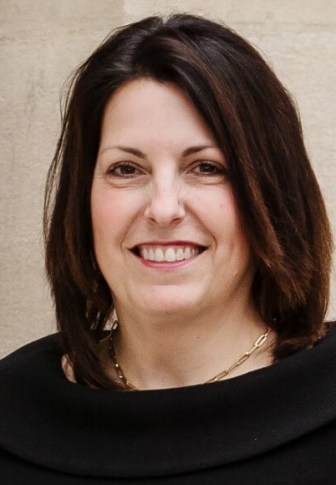
Crista Durand is the President and CEO of Hospital for Special Care in New Britain.