



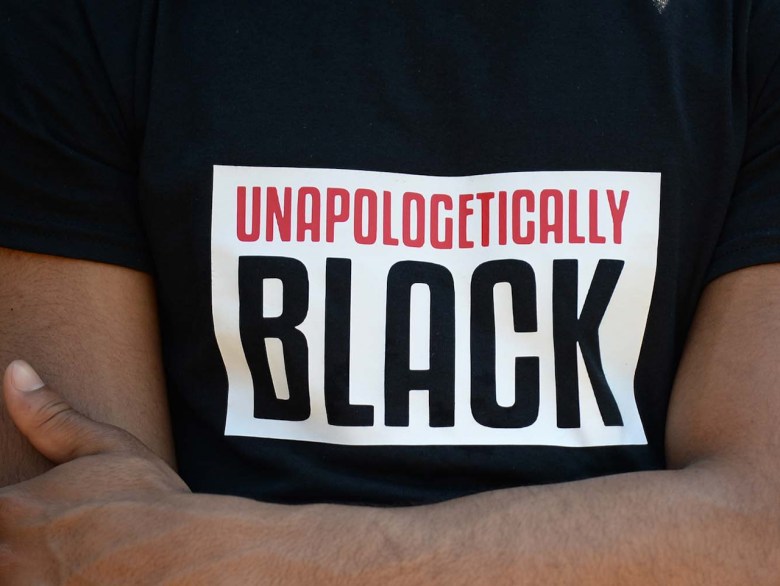
You know that saying, “Things aren’t like they used to be”?
It hits different every time, especially when it’s used to downplay what Black women are still dealing with today. Honestly, not enough has changed. Right here in Connecticut, just like everywhere else, Black women are still fighting to be seen, heard and taken seriously.
People love to point at “progress” like it’s some magic fix. They’ll drop a few names of successful Black women in politics or Hollywood, like that’s supposed to erase centuries of harm. But real life for most of us isn’t a trending topic or a feel-good headline. It’s daily. It’s constant. And it shows a way bigger problem hiding behind those few success stories.

Being overlooked isn’t just about feeling bummed out; it has real-life consequences. In serious moments, like medical emergencies, it can mean delayed treatment and serious trouble. You see this a lot in healthcare. There’s this unconscious bias about Black women and how we experience pain. When our safety or basic needs are ignored, this lack of attention can lead to unfairness in getting important resources, showing that being invisible can sadly become a matter of life and death.
This also happens at work, where we get praised for working hard but somehow always get passed over for promotions. It’s in our schools, where Black girls get labeled as “trouble” and don’t get the same understanding as other kids. Over and over, we hear, “Well, at least it’s better now,” and it’s like a slap in the face.
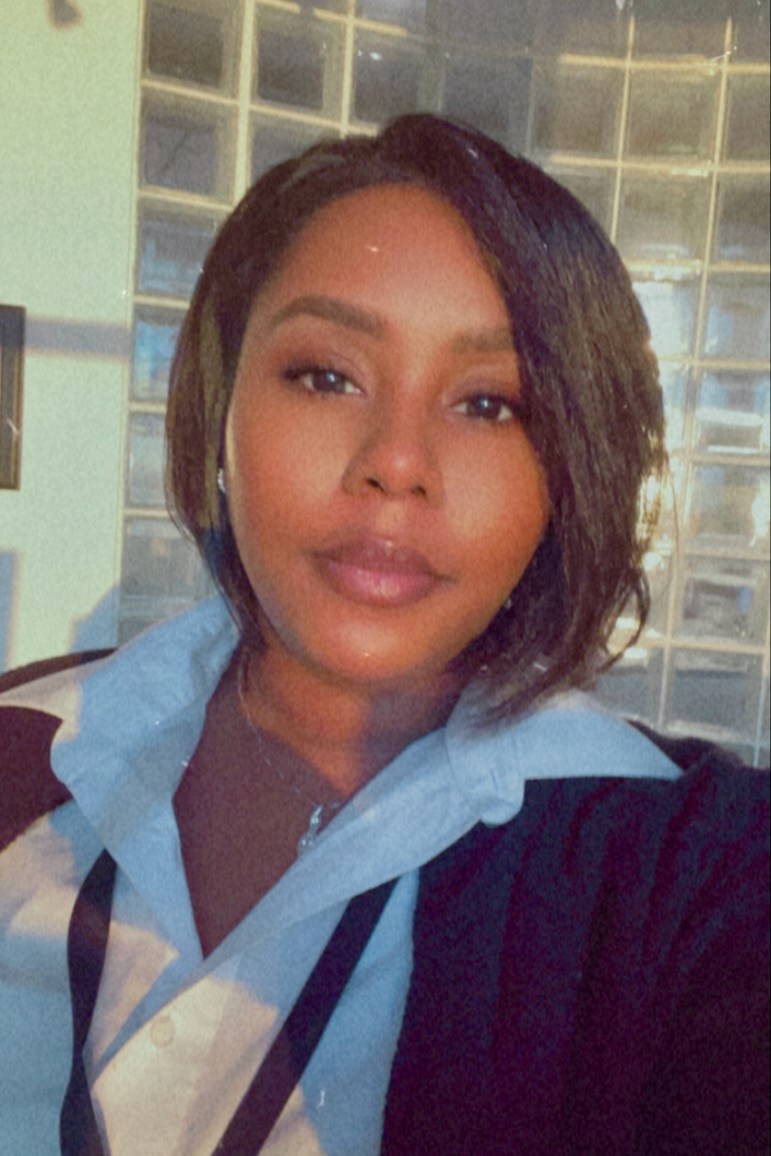
And I’m asking you: Better than what?
Better doesn’t mean good enough. Better doesn’t mean equal.
But for some reason, that’s where everyone stops. Even in Connecticut, a state that loves to call itself progressive, Black women’s struggles barely make it into the conversation. DEI panels and hashtags sound nice, but how often do they actually focus on us? How often do they talk about what it’s like to move through the world being both Black and a woman?
I’ll tell you: Not enough.
The hard truth is, society expects us to be strong enough to carry the world’s weight, but not too strong, so we don’t make anyone uncomfortable. We’re supposed to be the backbone, the peacemakers, the ones who show up for everyone else while getting the bare minimum in return.
And the second we speak up, we get hit with, “It’s not that bad, everybody struggles,” or “You’re being too sensitive,” basically telling Black women to be grateful because “Things aren’t as bad as they used to be.” It’s just another way of telling us to shut up. And we’re over it!
So, here’s the deal: Yeah, we can see that some things have changed — but that doesn’t mean the work is done. Progress doesn’t always mean fairness, and right now, things still aren’t fair for everyone.
We can celebrate the wins without pretending the system isn’t still working against us. In Connecticut and everywhere else, it’s time to stop checking boxes and start making real, lasting changes that truly focus on and support Black women —not just with words, but with actual steps.
We don’t need more empty slogans. We don’t need another panel that goes nowhere. We need healthcare providers who actually listen to us. Employers who promote us because we’ve earned it, not just to make their team look diverse. We need schools that lift up Black girls instead of putting them in boxes with old, biased ideas. We need spaces where Black women don’t have to shrink themselves just to get by. Because “better than it used to be” is still not good enough — and we deserve so much more than that.
Xyania Clarke, of East Hartford, is a junior majoring in communication at Central Connecticut State University.