



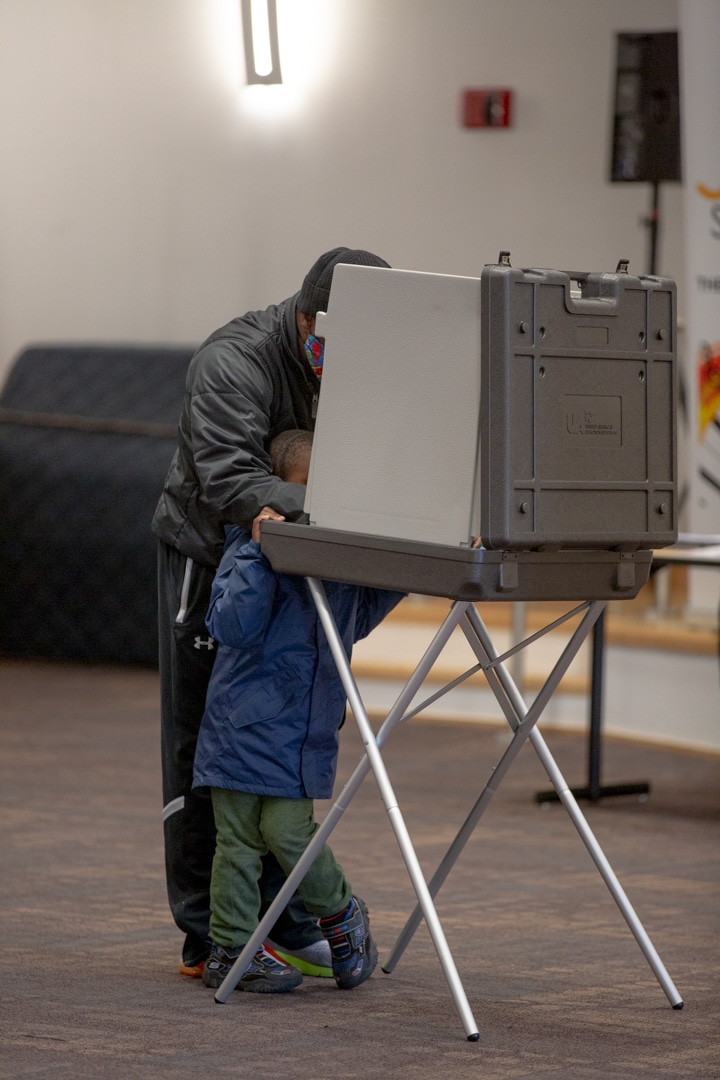
“The election to end all elections!” “The fight for the very soul of our democracy!” My first presidential election was not going as planned. One candidate dropped out, replaced by another making history, and the other candidate… there’s not a nice way to put it — promised to be a dictator.
Not only that, I had just begun college half-way across the country. I hate to admit it but the election was the last thing on my mind. I was in danger of becoming another statistic, the young voter that doesn’t show up, despite our futures being on the line in these elections.

But who can blame us? Politics is so overwhelming that it reduces political action. Worse than that: none of this was covered in school. No one ever taught me how to vote. They taught me when and why I should vote, never how.
I knew voting is important to me but not how to get started. After learning voters that create plans of action are more likely to turn out, I made my own plan, which turned into this guide to help my peers – you – show up. This voting guide for all new adults who feel just as lost as me, burdened with saving our futures but unsure where to start. And don’t forget – Connecticut has important municipal elections coming up this fall!
The first part of any effective voting plan is registering to vote or checking your status. Voters must update their registration if they move to a new address or change names. You should always check your registration status prior to election day because your polling place may have changed or your registration may have been deactivated.
Next, you must decide when and how you will vote. I gathered some friends as accountability partners to ensure we all voted by mail in our home states. Several states, including Connecticut, have early voting and election day voting options available. Since election day always falls on a Tuesday, this is good for students that attend school far away or people who can’t take off work. Early voting options might include in-person or mail-in ballots. Connecticut residents can now vote early, beginning 15 days prior to the election until two days prior.
If you choose election day voting, it’s important that you double-check your polling site and its open hours prior to voting. Polling places may change over time but you can only vote at your assigned location. It may be easier to vote early in the day but if you find yourself in line when the polling site closes, DO NOT GET OUT OF LINE! It is your right to cast a ballot if you are in line when the poll site closes. Don’t forget to bring a valid identification card or proof of your address.
After creating your plan, research the candidates and issues on your ballot to create a voting guide. There are tons of non-partisan organizations that will create a guide for the issues and positions on the ballot in your next election. To find a candidate’s political stances, look at their campaign websites. Just like 38% of young voters, I didn’t feel fully represented by either of the major political parties. To choose candidates, I focused on the top three issues important to me. From there, I chose the one with the most policies I agreed with.
Researching this can be overwhelming and time consuming, so I hosted a party with my friends. Each of us researched a candidate’s platform and presented them to the rest of the group. All of the information found and decisions made on who to vote for were put into a spreadsheet that we referenced while completing our ballots.
When election day comes, put your plan into action! If you have accountability partners, check in with everyone to ensure they have all the information and documents needed to cast their ballot. Don’t forget your voter guide! If voting by mail, make sure to check your state’s deadlines and cast your ballot in advance.
The most important part of an effective voting plan: take care of yourself after voting. Election self-care can look differently for everyone. During the 2024 election, my self-care looked like avoiding any election news until the official results had come in. For my friends, it meant watching the election map as ballots were counted.
Even after results are in, it is important to keep yourself engaged in politics. This could include monitoring your representatives to ensure they carry out their election promises, volunteering for your organizations that support your policy interests, and, most importantly, maintaining a habit of voting, even in midterm and local elections.
Milannia Martin-Hayes is a sophomore at Connecticut College studying Government and Statistics.