As Executive Director of the South Central Connecticut Council of Governments (SCRCOG), I speak often with municipal leaders, business owners, and residents about one of Connecticut’s most pressing concerns: the high cost of electricity.
Energy costs affect everything we care about — attracting jobs, retaining families, and maintaining a livable cost of living. Yet Connecticut’s electric rates are already among the highest in the country, and without careful decisions, they will only climb higher.
From conversations with UI, Eversource, and energy experts, I know the reasons are complex. Utility infrastructure is heavily taxed, with those costs passed directly to consumers. More than half of our power comes from natural gas that must be transported hundreds of miles, adding costs at every step. State policies have also layered more and more programs onto electric bills over time.
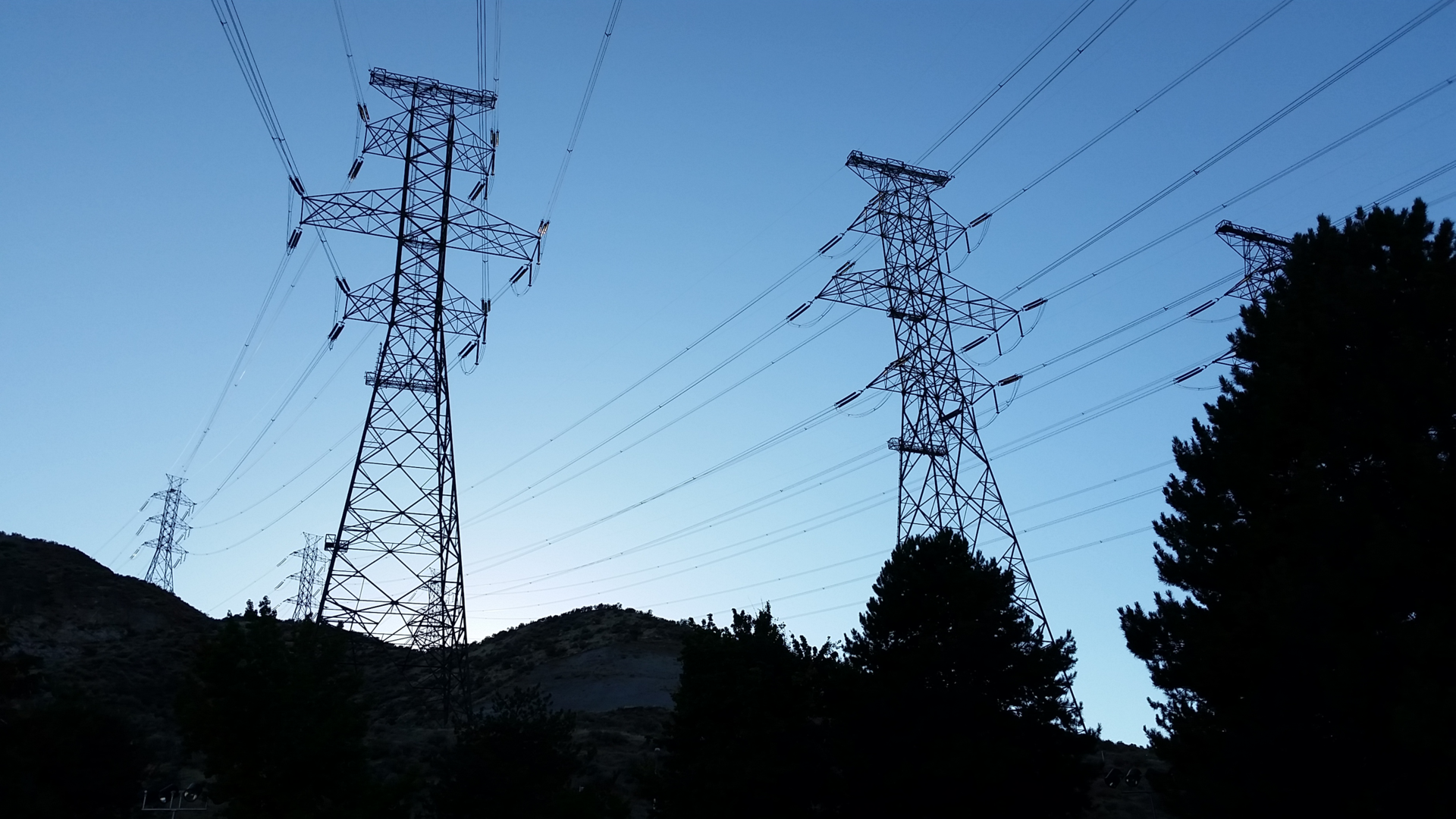
These factors aren’t easy to solve, but one thing is clear: we must avoid adding unnecessary costs. That’s why I’m deeply concerned about a proposal under review by the Connecticut Siting Council — the request to bury seven miles of high-voltage transmission lines in Fairfield and part of Bridgeport by a vocal minority of Fairfield County residents and some of their elected officials.
If approved, this project would add approximately $500 million to electric bills statewide.
For years, UI has been rebuilding transmission lines across its service area to replace aging infrastructure and improve reliability. In New Haven, West Haven, Milford, Stratford, and other towns, these upgrades have been completed overhead — the most cost-efficient approach — with little controversy.
But in Fairfield and Bridgeport, a small group of residents, businesses, and nonprofits has been lobbying for an underground solution. While their preference is understandable, it’s important to recognize who would pay for that decision.
Under New England’s rules, the costs of standard overhead transmission projects are shared among all 14 million regional ratepayers. But any additional costs — including underground installation — fall entirely on Connecticut customers. That means residents and businesses across Connecticut – not just Fairfield and Bridgeport, but also in 167 other cities and towns – would be forced to subsidize a project that benefits only two of our state’s communities.
Put simply: Connecticut ratepayers would bear the approximately $500 million burden so a few neighborhoods in Fairfield County could get a gold-plated solution.
You might expect widespread opposition to such an inequitable proposal. Yet surprisingly few elected officials have spoken out. Most of the lawmakers who have weighed in — from both parties — represent Fairfield, Bridgeport, or nearby towns, and many have called an underground option the “only acceptable” outcome.
I understand the pressure they face. Local officials must represent their constituents, and the most vocal voices in their districts are demanding undergrounding. But this is precisely when leaders from across Connecticut must step forward to defend the interests of the broader public.
This isn’t just an energy issue. It’s a matter of fairness, economic competitiveness, and protecting the residents and employers who power Connecticut’s economy.
The Connecticut Siting Council has not yet made its decision on this proposal, though they are expected to in the coming weeks. I urge elected officials, community leaders, and residents across the state to speak up. Contact your legislators. Submit comments to the Siting Council. Raise awareness within your communities. The voices of a vocal minority should not outweigh the needs of the many.
Connecticut families and businesses cannot afford another $500 million on our electric bills. We need thoughtful, disciplined decisions that protect affordability and fairness for everyone — not just a select few.
Laura Francis is the Executive Director of the South Central Connecticut Council of Governments (SCRCOG), representing 15 municipalities and serving more than 570,000 residents in the region.