



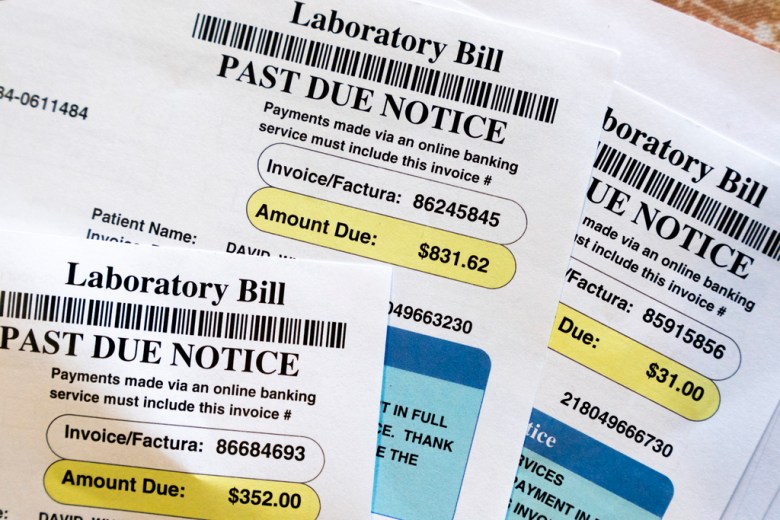
When we talk about the U.S. healthcare crisis, the conversations often turn to buzzwords: skyrocketing premiums, pharmaceutical greed, hospital consolidations. However, the real emergency isn’t just what’s happening inside hospitals or insurance plans. Instead, it’s what’s happening to millions of Americans: crushing medical debt.
From the frontlines of patient experience and health policy alike, it’s clear: medical debt is no longer just a financial problem. It’s a full-blown public health emergency. It’s delaying care, worsening illness, deepening inequality, and destroying hope.
Thirty-five years ago, Congress authorized the 340B Drug Pricing Program to “stretch scarce federal resources, allowing them to reach more eligible patients and provide comprehensive services.” When the Affordable Care Act was passed into law some fifteen years ago, it included provisions to strengthen the 340B Program – among them asking 340B hospitals to further help poor patients by offering charity care, which is “financial assistance”, as “free or discounted” health services.
Sadly, according to a report published by the Robert Wood Johnson Foundation, nearly 75% of adults with medical debt owe some or all of it to hospitals. Many of these hospitals, namely 340B eligible hospitals, are also engaged in predatory collection schemes to shake down patients for money rather than offering charity care to them.
A recent nationwide survey of patients paints a grim picture:
Nearly three in four respondents (73.6%) currently carry medical debt
82.2% of that debt is owed to hospitals
66.1% are already in collections
77.4% are skipping or avoiding medical care altogether
70.7% are not filling prescriptions
70.4% say the debt has directly harmed their health
A staggering 79.1% believe they will never pay it off
This isn’t just a financial burden but a vicious cycle. People get sick, they incur debt, avoid care, get sicker, and fall deeper into debt.
Medical debt isn’t a side effect of the healthcare system; it’s the system functioning exactly as designed. But let’s be clear: medical debt is not just a financial issue; it’s a racial and economic justice issue.
Communities of color face double the burden of poor access to care and, oftentimes, punitive billing practices. Black and Hispanic communities are 39% more likely to face debt collection judgments. And according to the Urban Institute, people of color are also more frequently targeted by collection agencies for medical bills in collections.
Limited access, worsening outcomes
The consequences are devastating. Patients are ignoring symptoms, avoiding routine checkups, and rationing life-saving medications.
This isn’t because they don’t value their health, but because they simply can’t afford it.
Delayed care is not hypothetical. It’s someone’s undiagnosed cancer or unmanaged diabetes. It’s the stroke, heart attack, or overdose that could have been prevented if only care had come sooner.
It’s also not just the physical care people are denied. It’s the emotional toll they carry. Medical debt drives stress, anxiety, and depression, which in turn worsen physical health.
There is clearly a cycle happening where poor health creates debt, and debt creates poorer health.
Imagine knowing you need help but staying silent because the last bill broke you. Imagine believing, like nearly 80% of survey respondents, that you’ll never be free of the financial consequences of getting sick.
That’s the cruel reality for millions of Americans.
A system rigged against the sick
Medical debt affects millions, not a few. It’s a systemic issue. Yet 87.2% of people in the survey said they didn’t even know about resources that might help.
What does it say about a society when the price of survival is unpayable? What does it say when the very hospitals that are afforded lucrative tax breaks in return for “community benefits” – such as charity care – fail to live up to their end of the bargain?
It’s time to change the narrative. Medical debt isn’t the result of bad budgeting. It’s the result of bad policy. 340B hospitals are choosing not to set reasonable prices and offer robust financial assistance. They sue their patients rather than provide free charity care, as is required by law. The 340B Program was designed to help patients, not pad the pockets of these healthcare providers.
We’ve normalized a system where illness is punished with lifelong financial trauma.
To fix this, we need:
● Transparent pricing and billing
● Patient-first reforms to hospital and drug discount programs (like 340B)
● Increased public education about available support
Medical debt is not just a policy failure but also a moral one.
It suggests to patients that they’re alone and that getting help will cost them everything and that survival comes with a price tag that is too much for them to handle.
In other words, the healthcare system is forcing people to suffer in silence.
Unsurprisingly, it’s working exactly as it was built. And it must be rebuilt with urgency and compassion so that it can heal, not harm.
Brandon M. Macsata is CEO of Aids Drug Assistance Programs Advocacy. Guy Anthony is Chair and Jonathan Sosa a member of the ADAP Advocacy 340B Patient Advisory Committee.