We have to study the past to prepare for our future. By examining campaigns for peace by opposing American wars we are provided with lessons from which we can learn and take courage.
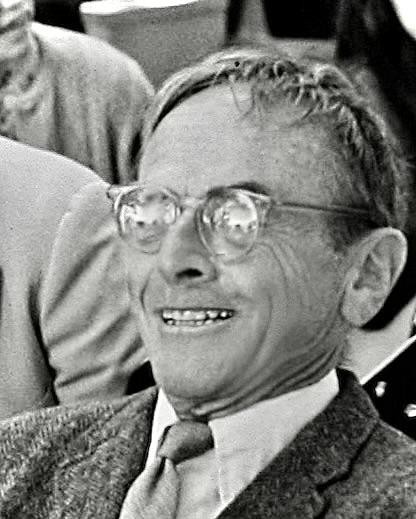
In March,1967 a Connecticut man named Harrison Butterworth sailed with six companions to Vietnam’s Gulf of Tonkin. Their 50-foot ketch was dubbed the Phoenix. The crew was bringing one ton of medical supplies for civilians injured by U.S. bombing raids.
That year alone 12,000 U.S. service members died in the Southeast Asian war. Some 150,000 Vietnamese were killed as well. The Phoenix carried medicine, in part, to atone for the civilians wounded or killed by U.S. forces.
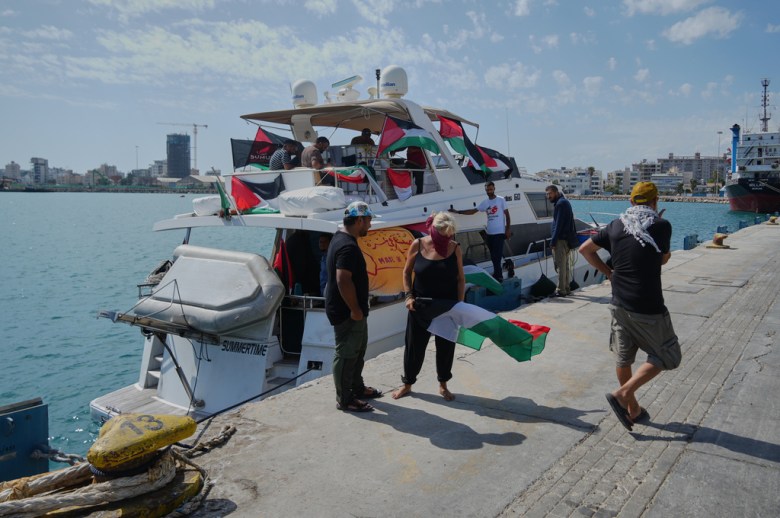
Until last week, when most of it was intercepted by the Israeli forces, the Gaza flotilla Sumud was on its way across the Mediterranean Sea to bring food, baby formula and medicine to starving Palestinians. The population has been obliterated by massive Israeli assaults for the last two years. The flotilla launched on August 30 with 45 boats and an international crew that included eight American veterans.
As both the Phoenix and the Sumud have understood, their efforts are only a symbolic contribution to peace. But symbols have power. The U.S. government has wasted $17 billion tax dollars on Israeli weapon sales since 2023. Corporations that profit from this horror like Colt, Boeing and Amazon all have operations in Connecticut.
Butterworth and his comrades were committed pacifists motivated by a Quaker tradition with a very long history. From aiding enslaved fugitives’ escape from slavery, to refusing enlistment in the army and going to prison, the Butterworth family has quietly been in the forefront of popular resistance to U.S. violence.
The 1967 voyage began in March toward the end of the monsoon season. U.S. officials threatened the Phoenix team with felony charges of “trading with the enemy.” The crew encountered missiles from a hostile American vessel and then a North Vietnamese ship that ordered them to turn around.
It seemed their mission would end before it began, but suddenly – and apparently without pre-meditation– Harrison Butterworth and another crew member jumped into the ocean and swam toward land. Vietnamese sailors dove in to catch them, but Harrison reached the shore. Ultimately, North Vietnamese doctors and Buddhists from the south received the medical aid.
The international flotilla sailing to Palestine faced its own dangers. Israeli drones harassed and attacked the nonviolent Sumud and its sister ships. Past voyages by similar volunteer groups have sometimes ended in tragedy.
These atrocities–mass murder of Palestinian children, targeting of journalists, forced starvation of millions– are not beyond Washington’s control. We must demand accountability from U.S. decision makers.
As we learned in Vietnam, the most powerful nation on Earth is best situated to stop today’s chaos. It was poet laureate Tracy K. Smith who warned us: history is hot on our heels. With past examples as our model, ordinary people must recognize the catastrophe in Gaza and take action.
Steve Thornton’s latest book is Radical Connecticut: People’s History in the Constitution State (Hardball Press) with Andy Piascik.