


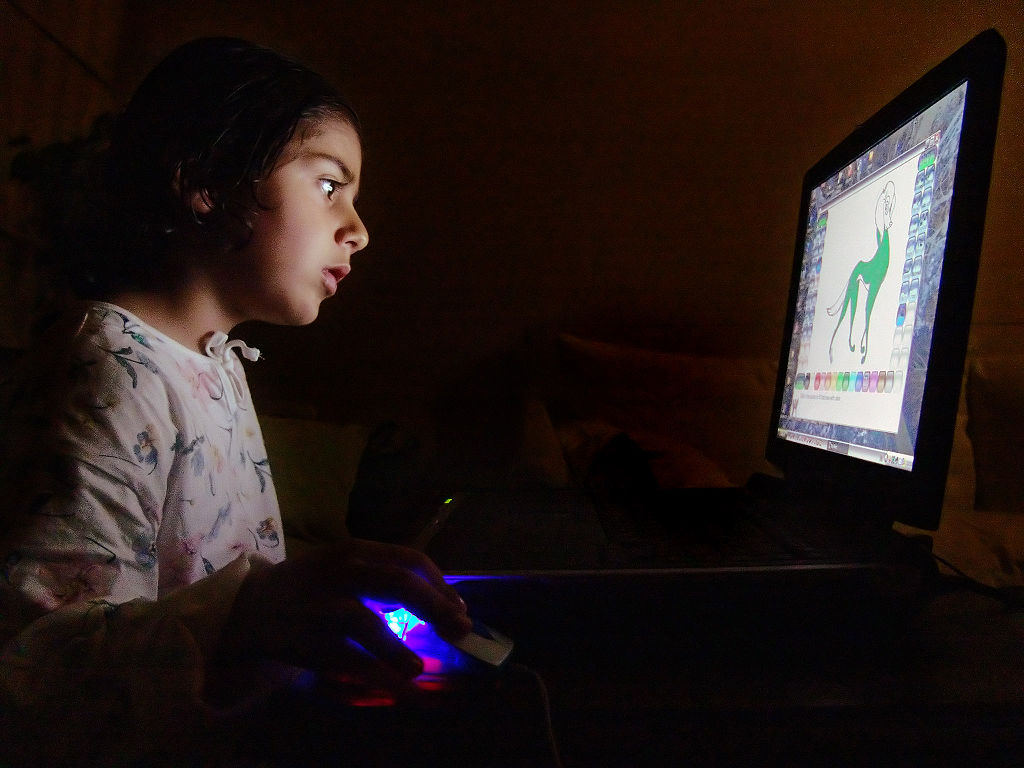
In a world where children are increasingly connected to screens rather than the people around them, families are struggling to navigate this new digital reality.
I am the mother of a caring 11-year-old boy who loves screen time, and it is a constant struggle to get him to disconnect from the screens. During the COVID-19 pandemic, screens became essential for school and socialization, but the habit never truly ended. Now, children use electronics more than ever at home, in classrooms, and during downtime.
I often see parents, including myself, overwhelmed by the challenge of setting limits. This reality highlights the urgent need for healthcare providers to offer families practical tools and resources, like the American Academy of Pediatrics’ (AAP) Family Media Plan (FMP), to help balance technology use from the comfort of one’s home. Supporting families through using this tool can make a meaningful difference in restoring health and awareness in reducing screen time.
Excessive screen time has become a growing public health concern, and I have witnessed how this affects children’s health. On average, children spend four to six hours daily on screens, exceeding the AAP’s recommendations of no more than one to two hours per day.
Following COVID-19, digital use for both learning and leisure has continued to rise, contributing to obesity, poor sleep, poor posture, myopia, and mental health problems such as anxiety and depression. Many families struggle to manage screen use, highlighting the need for structured guidance such as the AAP’s family medical plan.
Some may argue that screen time is an unavoidable part of modern education and social connection. On average, the typical child receives their first phone at 11 years old. Certainly, technology can support learning, creativity, and communication when used appropriately. However, the problem arises when recreational use exceeds healthy limits, leading to negative effects on sleep, attention, and physical health. The goal of the family medical plan is not to eliminate technology but to find the balance in its intentional use. By setting clear boundaries, families can ensure their benefits while reducing harm to children.
A policy-based solution to excessive screen time is the integration of the AAP’s family medical plan into primary care practice. Using this evidence-based approach may help families in setting screen time limits, scheduling tech-free activities, and promoting healthier digital habits.. By implementing the plan during routine wellness visits, providers can educate parents, support prevention, and reduce potential risks such as obesity and behavioral issues that come with excessive screen time. Standardizing its use and plan across pediatric settings ensures consistent guidance for all families and helps children reduce the risk of future mental and physical challenges.
Keila Garrido of Clinton is pursuing a doctorate in Nursing Practice at Duke University in Durham, N.C.