Two male penguins raised a chick at New York City’s Central Park Zoo. It’s a true story, and it’s the basis for the children’s book And Tango Makes Three.
The book tells the story of two male chinstrap penguins, Roy and Silo, who built a nest, took turns brooding an egg, and raised the female chick that hatched from it named Tango. The message of love and its depiction of diverse families, however, proved too controversial. Parents, school boards, and other groups across the United States attacked the book, arguing that its representation of a same-sex relationship was “anti-family” and unsuitable for young children.
This book, and thousands of others, have faced widespread attacks across the United States and in local communities, signalling an alarming trend toward censorship of gender identity, sexual orientation, and marginalized groups.
Book banning is not a new phenomenon. The United States has a long and reprehensible history of book banning. Historically, books were banned on the grounds of sexual imagery, violence, or obscenity, though defining these terms remains controversial and debated today. This legacy is powerful, and though the practice is not new, it should never be normalized.
The rise of book banning in the 21st century is startling, as bans have extended farther in reach and scale in recent years. Book banning in the United States is just one example of a striking turn to authoritarianism. For instance, the anti-LGBTQIA+ sentiment that often drives book banning threatens democratic norms. This is emblematic of broader authoritarian attacks in the United States against racial justice, reproductive rights, political dissent, and more.
Since 2021, there have been 23,000 book bans in public schools in the United States. A national study carried out by PEN America found that in just one academic year, from 2024 to 2025, there were 6,780 instances of book bans. Of these titles, a large number of books dealt with LGBTQIA+ topics or had LGBTQIA+ protagonists or characters.
Another study found that, out of 1,154 books banned in a nine-month period, 33% dealt with LGBTQIA+ topics, and 41% of the fiction novels and non-fiction books featured protagonists of color.
But the problem of book banning can be felt much closer to home.
In March of this year, in my hometown of Suffield, Connecticut, the Library Commission considered a proposal that would remove books with subject matter related to gender identity from the children’s section of Kent Memorial Library.
This is not the first time the small town has seen controversy over its censorship in the public library. In 2023, the Director of Kent Memorial Library, Julie Styles, resigned from her role on the basis of political interference.
Suffield First Selectman Colin Moll forced Styles to remove the book “What Are Your Words” from display in the children’s section of Kent Memorial Library after complaints from town residents about its content on gender-inclusive pronouns.
In a farewell letter published in The Suffield Observer, Styles wrote that she was also asked to tag all LGBTQIA+ books with warning labels and to limit displays that featured books on current affairs or that were representative of marginalized communities.
In 2022, Connecticut saw 29 reported library title challenges according to the American Library Association. Just one year later, that number was 117.
These numbers are alarming. More worrying, though, is that they actually are modest measurements. Underreporting of book bans and challenges means that books continue to be censored with little to no coverage from the media, leaving us with little knowledge of the true extent of book bans both in Connecticut and at the national level.
Statistics are telling, but they don’t speak about the child who sees their identity weaponized.
“When children cannot find themselves reflected in the books they read, or when the images they see are distorted, negative, or laughable, they learn a powerful lesson about how they are devalued in the society of which they are a part,” says Dr. Rudine Sims Bishop, professor emerita of Education at The Ohio State University and known as the “mother of” multicultural children’s literature.
Recently, the Connecticut General Assembly passed legislation containing provisions on public libraries’ collection and review policies. After the provisions were added to the state budget, the law required school boards across the state to adopt various policies on issues such as displays, material reviews, and more. Importantly, the law prevents books from being abruptly pulled from shelves, requiring proper school material reconsideration. The law also states that reconsideration requests can only be submitted by parents and guardians of students in a given school district.
This is a positive step, but it is not enough.
Across the state, books continue to face challenges. Local communities must remain vigilant. At the same time, there is a national trend toward the normalization of censoring certain topics. Just four days after Donald Trump was inaugurated as the 47th President of the United States, the Department of Education’s Office for Civil Rights issued a statement condemning “Biden’s Book Ban Hoax.”
Acting Assistant Secretary for Civil Rights Craig Trainor said, “By dismissing these complaints and eliminating the position and authorities of a so-called ‘book ban coordinator,’ the department is beginning the process of restoring the fundamental rights of parents to direct their children’s education.”
The argument in defense of book bans, invoking parents’ rights, is common. Certainly, parental rights are a rhetorically powerful political argument. Yet, it does not hold. Political expression is a fundamental protection in the United States, as is freedom of speech. That right is for all, not some. Parental rights do not mean a parent of one child has the right to dictate what the child of another parent reads in their local public library.
The issue of book banning has become of dire importance. Book bans privilege distinct ideological views while censoring and demonizing gender identity, sexual orientation, and the stories of marginalized groups.
It is critical, now more than ever, that communities in Connecticut continue to protect diverse perspectives in their public libraries and schools. There are many ways to fight against book banning, and action is crucial at the local level. Vote in your local elections. Attend local school board meetings and local town halls. Report book bans to organizations like PEN America, the American Library Association, or the National Coalition Against Censorship. Most importantly, read banned books. Without these books, stories are lost.
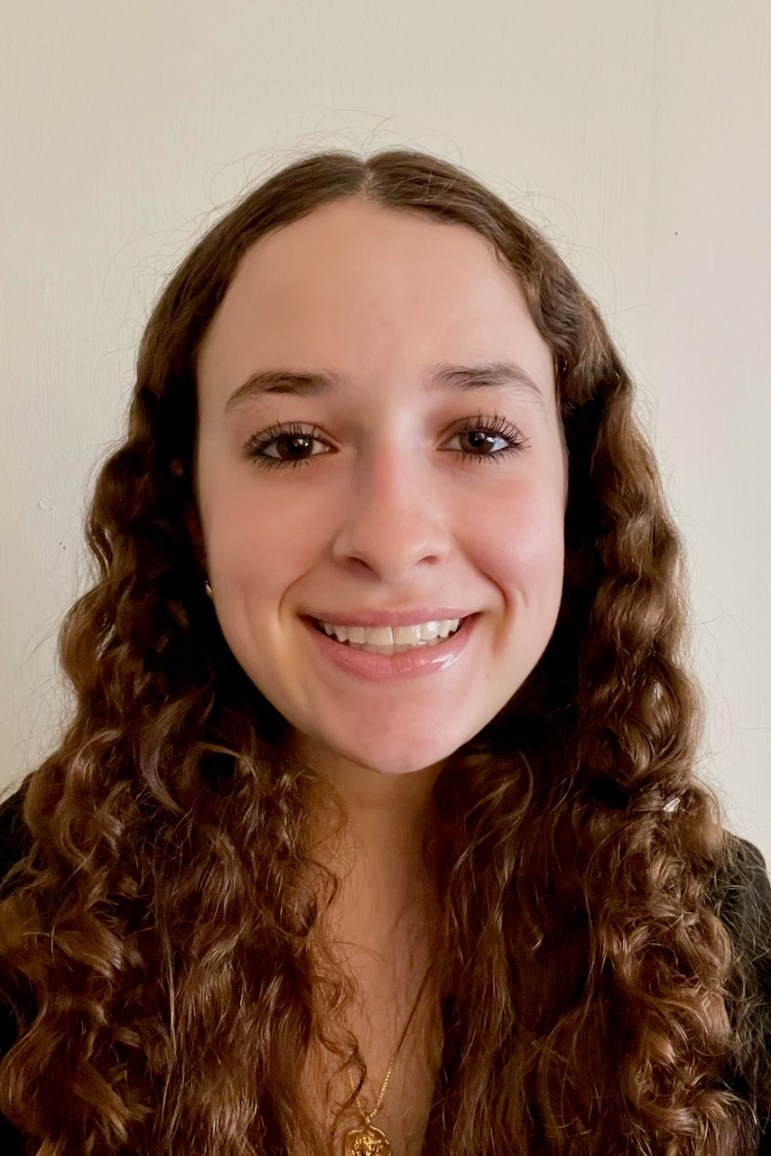
Elizabeth York is a senior at Connecticut College studying government and history.