



Connecticut’s transportation challenges, especially along the I-95 corridor, are no secret. Stretching from the New York border through New Haven and on to New London, I-95 is consistently ranked among the nation’s most congested and polluted traffic corridors, with a F rating from the American Lung Association.
With virtually no practical room for highway expansion, we have a choice: continue subsidizing our dependence on cars or invest in the infrastructure we already own that can move people reliably, equitably, and sustainably. That infrastructure is our rail system, and a critical piece of it is Shore Line East (SLE).
It’s long past time Connecticut treated SLE as a solution, not an afterthought.
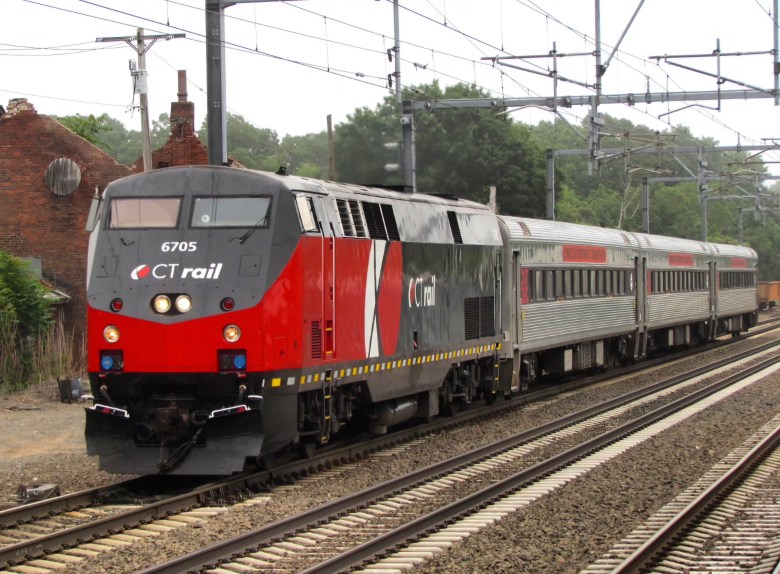
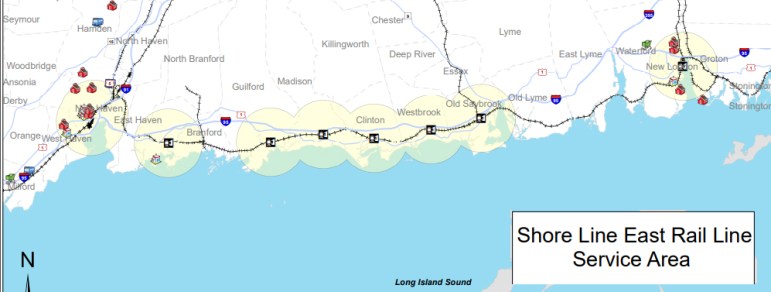
Shore Line East connects communities from New Haven to New London with existing stations, trains, and rights-of-way. But service reductions during the pandemic have left the line operating at only about two-thirds of its pre-COVID schedule, a level already low compared with other Connecticut rail lines.
All Metro-North lines and the Hartford Line have been restored to full service for years, and some lines have been increased to 140% of their pre-pandemic service, despite similar ridership volume to SLE. SLE remains the only commuter rail line in the state still operating below its pre-pandemic timetable.
The latest budget from the governor, unfortunately, again maintains reduced service levels rather than restoring or investing. Connecticut’s transportation planners often frame rail service funding in terms of ridership data, but this is backwards. It is well documented that frequent, reliable service builds ridership, not the other way around.
Transit planners and advocates have long emphasized that service cuts depress ridership and create a vicious cycle. When trains are sparse and erratic, like SLE’s schedule, commuters understandably revert to cars. When commuters return to cars, officials point to low rail ridership and justify further cuts. This logic traps SLE in a downward spiral that benefits no one: commuters, businesses, taxpayers, or the environment.
Compare this to Connecticut’s other rail corridors. The Hartford and Waterbury lines have rebounded, exceeding pre-COVID ridership, because consistent service was restored and even enhanced. That builds confidence and daily usage. There are hidden costs to this inertia. I-95’s congestion contributes to higher emissions and poorer air quality for towns already saddled with environmental and public health burdens.
Transit is a climate solution; reliable rail service offers an alternative to fossil-fuel-dependent commuting. Investing in SLE is not a luxury, it’s a practical strategy to reduce emissions in a corridor where widening the highway is neither feasible nor sustainable.
Moreover, transit infrastructure must be part of our broader economic and housing strategy. Frequent rail service enables transit-oriented development (TOD): housing and mixed-use neighborhoods built around existing stations that provide residents with real mobility choices. These developments can generate jobs, increase housing supply, and strengthen local tax bases.
Waiting for housing to appear without service first is a chicken-and-egg problem; developers need confidence in dependable transit before committing significant investment. The New London area is one of the state’s fastest growing economic centers, with Electric Boat alone planning to hire 8,000 new employees in 2026. SLE connects the state’s most populated county with this critical growing economic hub.
Thankfully, leaders like State Sen. Christine Cohen understand the value of the economic, equitable, and environmental benefits of SLE. SB237: An Act Concerning Public Transportation would make critical investments in our public transit system, including the full restoration of SLE to pre-Pandemic service levels.
The Transportation Committee has a rescheduled public hearing today, March 2, and written testimony can be submitted. In 2026, Connecticut should be investing in public transit that works. Full restoration of Shore Line East is an essential piece of that future.
Blaize Levitan of Guilford is Secretary of the CT Public Transit Council.