


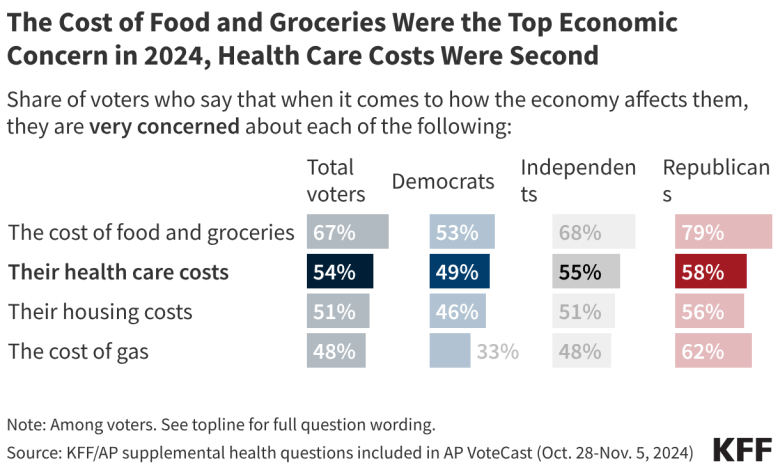
If the Republican party’s proposed changes to the Affordable Care Act (ACA) are implemented, millions of Americans could face significant financial burden.
While these health plans may boast lower monthly premiums, they often carry deductibles as high as $31,000. This catastrophic-only coverage makes routine “maintenance care” unaffordable for the average American. These proposed changes could also be detrimental to those managing one or more comorbidities, leaving them effectively underinsured until their deductibles are met.

Although the U.S. House passed a three-year extension, the enhanced ACA subsidies—originally introduced during the COVID-19 pandemic —expired in December 2025. In January 2026, the House voted 230-196 to reinstate these credits to prevent rising insurance costs; however, the legislation is currently stalled in the Senate.
The Centers for Medicare and Medicaid Services reported that ACA enrollment dropped by over one million after the subsidies expired last year. While 23 million enrollees remain in the market, many have pivoted to cheaper, less comprehensive plans. Experts anticipate enrollment will continue to decline as consumers find themselves unable to meet extreme out-of-pocket requirements.
According to Reed Abelson of the New York Times, the proposed changes include stricter enrollment requirements and alternative plans that could severely restrict access to specific doctors and hospitals. Furthermore, insurance companies may shift toward multiyear, fixed-benefit policies that pay only a set amount for preventative or necessary care. While these options might appeal to a healthy individual, they threaten to increase out-of-pocket costs for everyone else.
As the Senate debates the extension of these tax credits, many Americans are paying double or more for monthly premiums compared to last year. This structure, which prioritizes low premiums over functional coverage, is detrimental to those with chronic conditions who require frequent follow-up care. Under such a plan, these patients are forced to pay the full negotiated rate for most services until their high deductible is satisfied. Consequently, because Americans may be forced to forgo necessary care, we risk an increase in mortality rates across the nation.
As a nurse case manager at a Connecticut hospital, I frequently encounter the human cost of being underinsured. For millions of Americans, the choice is no longer about selecting a plan that meets their medical needs; instead, they are forced to choose only what they can afford. The legislative stall in the Senate is felt in our hospitals, clinics and pharmacy counters. Patients are increasingly unable to afford maintenance care, necessary outpatient procedures, and life-saving prescriptions.
The Senate must prioritize and immediately address this systemic failure. Americans urgently need the reinstatement of enhanced subsidies to bridge the gap between their medical needs and their financial survival.
Americans must demand that Congress extend these subsidies to ensure that high-quality healthcare remains a fundamental right, rather than a luxury for the few. I urge Americans to encourage state-level leaders to advocate for federal action. Public pressure is necessary to push the Senate to pass this legislation. Call your representative now so that all Americans can afford the care they need!
Daisy Berlyn lives in Hamden.