



The foster care system is something that many individuals learn about in school or hear about in the news. For kids who experience it, however, foster care is more than just a system; it is a part of everyday life. Their connections, feelings, and sense of community are all shaped by it. I want to talk about how the system works and what it really feels like from the inside because I have been in foster care.
Because my family is in the public eye, my foster journey has been written about by others, but I want to give my own perspective on what it meant to me.
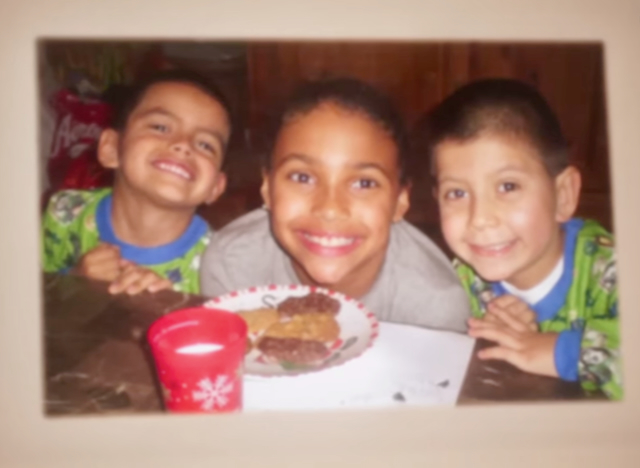
My younger brother and I were born in Newnan, Georgia. Our early years were defined by struggle. Our birth father was not present, and our birth mother struggled financially. Our mother eventually had to make the tough choice to put us in foster care.

Before we discovered a foster family that changed our lives, we lived in a few different care homes. Georgia Hecker, our last foster mother, provided us with protection, love, and care. She turned into family rather than just a foster parent. I still use her last name as a reminder of my beginnings and the people who influenced me.
She started the adoption process for my brother and me in 2011. We felt as though we had at last located our forever home. But tragedy struck. She died in October of that year—just as everything was starting to come together.
She secured our safety before she passed away. She made plans for her son, who is now my father, to look after us. Everything was changed by that choice. My brother and I joined a new family by choice and love rather than blood. Even after the loss, we were able to recover our confidence.
She is still deeply missed. She was known to us as “Nanny,” and her influence on our lives will always be felt.
My experience demonstrates both the difficulties and the opportunities associated with foster care. Grief, anxiety, and uncertainty are all possible outcomes of foster care. Children in the system often encounter trauma, find it difficult to build trust, and live with ongoing uncertain futures. These challenges lead many people to continually struggle in their relationships, education, and mental health.
However, foster care can also be an important form of hope. It can provide children a second opportunity at happiness and belonging by putting them in touch with individuals who support and choose them.
For me, foster care meant that.
When a child’s original family is unable to care for them, foster care is meant to protect them and provide them with a secure place to live. It is supported by federal, state, and local organizations that have the same objective of protecting children and assisting them in finding safe, long-term homes. Child welfare organizations claim that these services are designed to stop abuse, reunite families when it is possible, or find new families when it is not.
However, the truth is more difficult.
Foster care involves constant change for many kids. It might be challenging to trust people or feel safe when you’re constantly moving, adjusting to new families, and starting something new. A child’s emotional and social development can be seriously affected by the quality of foster parents. While some foster families offer security and love, others might not be able to meet a child’s needs or worse, might put them in danger.
Another deep and lasting difficulty is being separated from biological family members. Children frequently feel loss, confusion, and grief even when separation is necessary. They can experience thoughts of abandonment or question why their lives differ from those of other children.
For me, foster care was more than a system. It was a journey of grief, resilience, and, in the end, love. The system should work to give every kid in foster care a true sense of home in addition to safety.
You can learn a little a bit more about my foster care story through a short documentary ESPN’s “Azzi Fudd: Imperfectly Perfect”
Jonathan Hecker is a junior at Mitchell College, majoring in communications.