




For many Connecticut families, the past few years have felt like a long, unrelenting recalibration. The price of groceries in West Hartford. The heating bill in Torrington. The rent in Stamford. The property taxes in Hamden. Even the cost of a simple night out, a movie in Manchester or dinner in New Haven, now requires a moment of pause.
Connecticut has always been a state of contrasts: affluent shoreline towns alongside rural communities where budgets stretch thin; high‑earning professionals living just miles from families working multiple jobs to stay afloat. But lately, the squeeze has become a shared experience. Across income levels, residents are asking the same question: Where can we cut back without losing the things that make life feel normal.
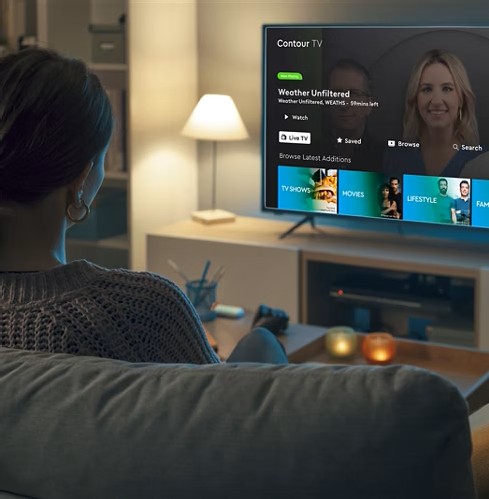
And increasingly, that question is landing in the living room.
The New Reality of “Staying In”
Entertainment has long been one of the few affordable comforts for Connecticut households. When winter settles in and the sun sets before 5 p.m., families across the state rely on their TVs for warmth and routine, a cooking show humming in the background, a familiar drama to unwind with, a live news broadcast to stay connected.

But as inflation continues to ripple through the state, even the cost of staying in has become part of the budgeting conversation. Cable packages that once felt like a given now feel like a luxury. Streaming services that once promised savings have multiplied into a patchwork of monthly fees. What used to be a simple decision, turn on the TV, has become a small but persistent calculation.
This isn’t just a national trend. It’s a Connecticut story.
A State Where Costs Shape Habits
Connecticut’s cost of living consistently ranks among the highest in the country. That reality shapes everything, including how people unwind at the end of the day.
In Fairfield County, where housing costs rival major cities, young families are trimming non‑essential expenses to offset rising childcare and commuting costs. In the Quiet Corner, where broadband access varies from town to town, residents are choosing entertainment options that work reliably on the infrastructure they have. Along the shoreline, retirees on fixed incomes are reassessing monthly bills with a sharper eye than ever before.
Across these communities, one theme keeps emerging: people want entertainment that feels familiar, simple, and affordable, without the clutter or cost of traditional cable and without the overwhelm of juggling multiple apps.
The Return of “Just Turn It On”
For years, streaming was marketed as the antidote to cable: more choice, more control, more freedom. And for a while, that was true. But as the number of apps ballooned, so did the complexity. Connecticut residents now talk about “choice fatigue” the way they once talked about channel flipping.
A teacher in Meriden might spend 20 minutes scrolling through apps after a long day, only to settle on the same home‑renovation show she always watches. A couple in Granby might subscribe to three different services just to keep up with their favorite genres. A family in Manchester might find themselves paying nearly as much as they did for cable, without the convenience of a single guide.

That’s why many households are gravitating back toward something that feels more streamlined: live channels, curated content, and a simple interface that doesn’t require decision‑making as a prerequisite for relaxation.
It’s not nostalgia. It’s practicality.
A Shift Toward “Enough” Entertainment
What’s emerging in Connecticut is not a rejection of streaming, but a recalibration of it. Residents aren’t looking for endless options. They’re looking for enough – enough channels to feel connected, enough variety to unwind, enough flexibility to watch on the go, and enough affordability to justify keeping it in the budget.
This shift reflects a broader truth about life in Connecticut right now: people are prioritizing what feels grounding, not what feels excessive. They’re choosing simplicity over abundance, familiarity over novelty, and value over volume.
And in that landscape, new models of entertainment, ones that blend the ease of live TV with the flexibility of streaming, are finding their place.
Why This Moment Matters for Connecticut
Entertainment may seem like a small thing compared to the larger economic pressures facing the state. But the way people watch TV reveals something deeper about how they’re coping, adapting, and finding comfort in uncertain times.
It shows:
- how families negotiate what to keep and what to cut
- how residents seek connection when going out becomes too expensive
- how technology shapes daily life in a state with diverse infrastructure
- how people find small pockets of normalcy when everything else feels unpredictable
In a high‑cost state like Connecticut, even entertainment becomes a reflection of resilience.

A New Kind of Living Room Routine
As Connecticut households continue to navigate rising costs, shifting work patterns, and the ongoing evolution of digital life, the living room remains one of the few places where people can reliably unwind. But the way they do it is changing.
They’re choosing:
- Services that fit their budgets.
- Simplicity over complexity.
- Comfort over clutter.
- What feels sustainable.
And in that choice, they’re redefining what entertainment means, not as a luxury, but as a small, steady source of ease in a state where every dollar counts. As these habits shift, new pared‑down TV options are emerging to meet Connecticut viewers where they are. Services like Cox TV Lite, which offer a curated mix of familiar live channels without the bulk or cost of traditional cable, reflect this move toward simplicity. They’re part of a growing category designed for households that want the ease of a channel guide and the flexibility of streaming, without juggling multiple apps or paying for content they rarely use. For many residents, it’s less about chasing the newest platform and more about finding something that fits comfortably into a budget already stretched by the realities of living in Connecticut.
