



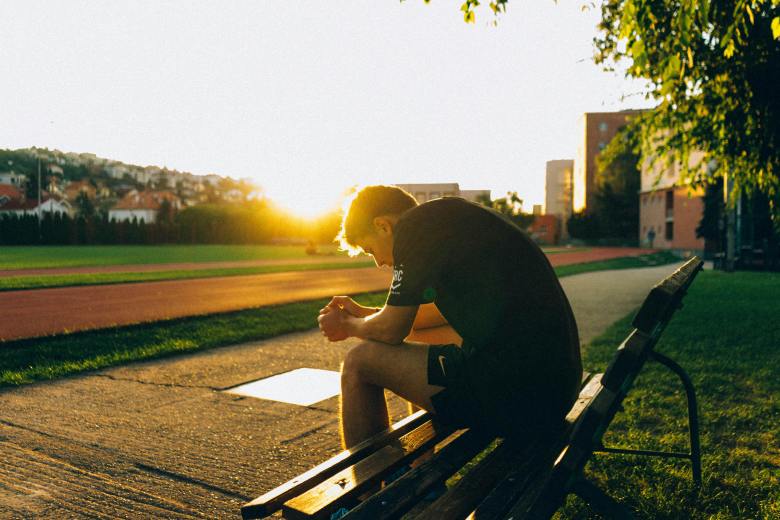
Athletes are seen as the figures of strength. People look at them and see sculpted builds, strong actions, and unbelievable feats. Something that they don’t see, however, is what hides in the shadows with them. Everyone has things that they’re ashamed of, things that they don’t want to come to the surface and things they don’t want to talk about.
For many athletes, that’s challenges to their mental health.
Over the last decade we have seen an extreme decline for athlete mental health, and often it’s due to their success and performance in their sport. This decline can come across in many different forms; drug use, alcohol abuse, change in attitude and lack of care for the sport all together.

While many female athletes have come forward to advocate and bring awareness to this epidemic, there are many male athletes who still fear speaking out about their experiences, being afraid to be seen as weak or unworthy. What they don’t realize is that their fear can be turned into strength, as it can help prevent this kind of feeling from affecting youth in the future.
Since coming into college, I’ve seen first-hand just how many athletes turn to substances to cope with their mental health. At every party there are students who get drunk to forget their faults, smoke to feel something other than pressure from people around them — and something about it always feels wrong. These students, who are supposed to be the ‘stars’ of the campus, are abusing these substances to forget the feeling of suffocating pressure in the real world.
According to the NCAA, division three athletes participate in the most substance abuse in all of NCAA sports, mainly alcohol, marijuana and vaping. Although the number of students who partake in binge drinking has decreased over the last 15 years, the number of students who smoke has increased significantly. Since 2017, the number of students who use vapes has increased from 8.1% to 22.1% of all student athletes, but from my experiences, I think the number is higher than what the research shows.
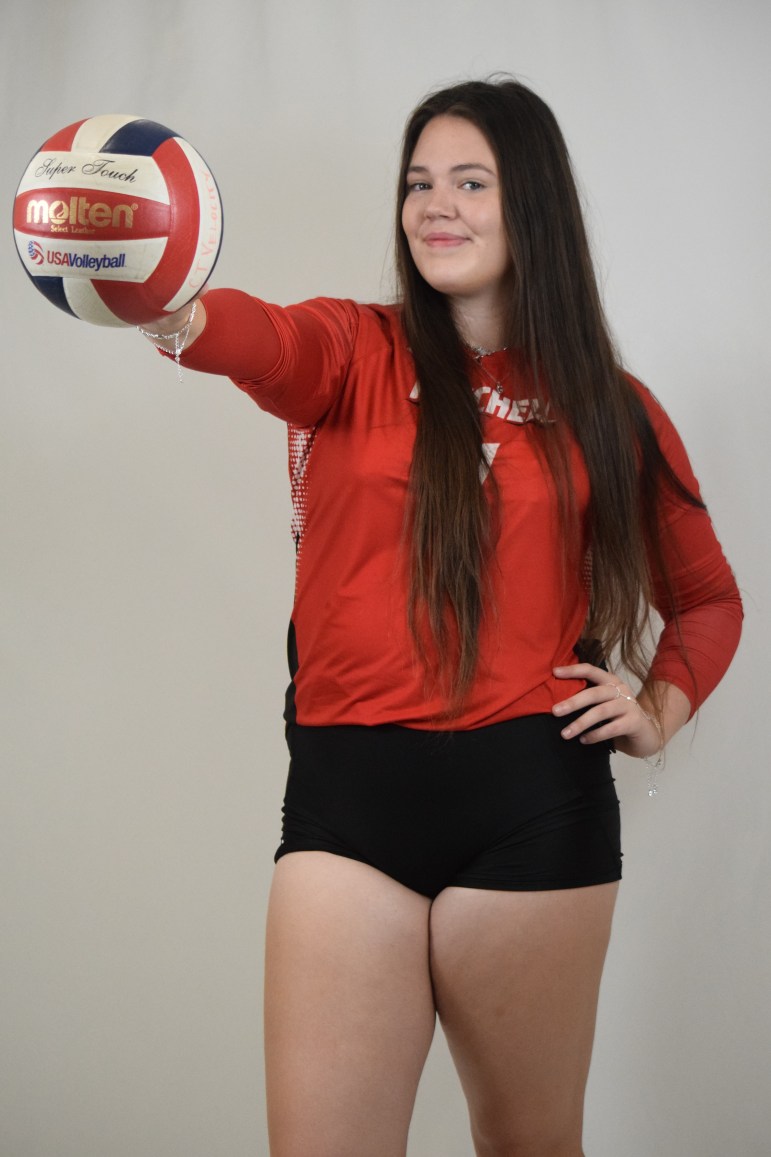
As a student athlete myself, the overwhelming thoughts of turning to substances is always there. I play division three volleyball and the last couple of years haven’t been the greatest when it came to my coach supporting us. Being 18 years old and the person your coach had the most faith in, caused me to put mountains of pressure on myself, and I had people looking at me waiting for me to fail. This kind of pressure from outside views made me want to turn to drinking to silence the voices in my head. In the darkest times when I felt at my weakest I turned to other people who have shared their stories, in hopes of finding advice to keep me on the right path.
All over social media you can find female athletes speaking out about the importance of mental health, and that you shouldn’t be afraid to talk to somebody. Seeing people share their own stories and face their darkness head on is what aided me in conquering my own.
This is great for all of the young girls participating in sports, however this message doesn’t come across to all of the boys dealing with pressure coming from parents, coaches, and the overwhelming stigma that ‘boys don’t cry’. When talking to some of my classmates they informed me that there was a professional baseball player who almost took his own life because of the pressure he felt from himself, the fans, and all of the people counting on him to perform.
Jarren Duran plays baseball for the Boston Red Sox, and in a Netflix documentary he admitted that he attempted to take his own life, only the gun didn’t go off. Duran says “I think God just didn’t let me take my own life because I seriously don’t know why it didn’t go off. I took it as a sign of, ‘I might have to be here for a reason”.
Since this occurred, Jarren Duran has become one of the biggest male advocates for athlete mental health, and having a figure as big as Duran for male athletes is a huge step forward in the battle of mental health. His story shows just how hard it is to see the silent battles that others go through every single day, and that just because you’re an elite athlete doesn’t mean you don’t face them too.
From my personal experience, athletics is one of my most challenging mental health battles. Seeing how it can take down even the most elite athletes is scary, but having figures of strength who are able to show their scars can make even the smallest difference in someone’s life. If more awareness is brought to this epidemic, there would be a way to put an end to it once and for all.
Genna Hyde is a rising junior at Mitchell College, majoring in communications.