


No.

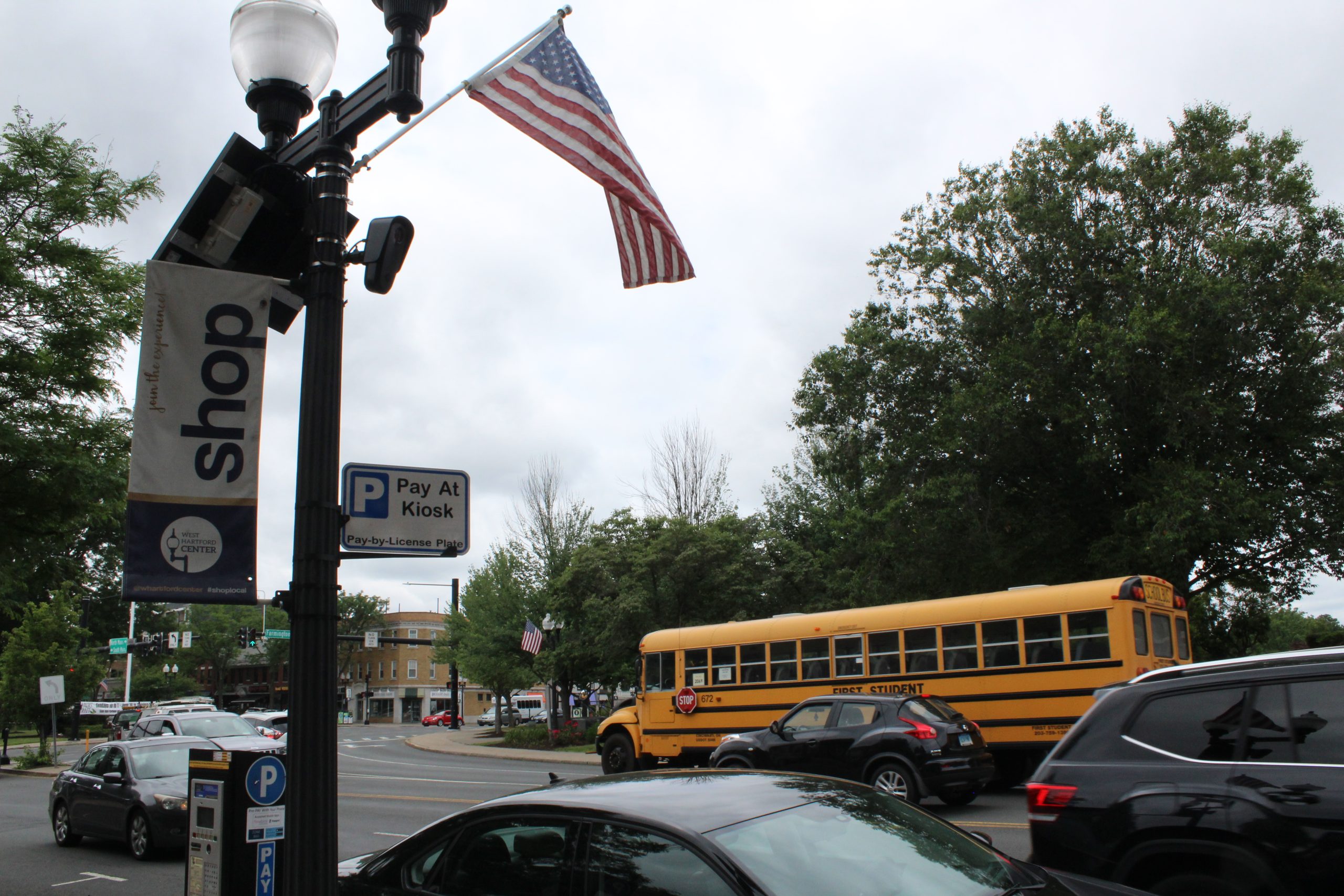
Automated license plate readers, or ALPRs like those designed by the well-known company Flock, are not used to enforce traffic laws in Connecticut.
ALPRs are different than traffic cameras because they are not triggered by an action like speeding. The cameras continuously capture vehicle information such as license plate numbers, make, model, color and other identifying features. They do not measure vehicle speed or detect red-light violations.
Police use the technology to: locate stolen vehicles; investigate crimes such as burglaries, assaults and thefts; find missing persons; and get alerts when vehicles connected to criminal investigations enter an area. The cameras also don’t use facial recognition technology.
Under Connecticut law, agencies generally must delete data after 21 days unless it is tied to an active criminal investigation. The law also prohibits using ALPR data for immigration enforcement, monitoring First Amendment activities, or investigations involving reproductive or gender-affirming healthcare.
This Fact Brief is responsive to conversations such as this one.
CT Mirror partners with Gigafact to produce fact briefs — bite-sized fact checks of trending claims.
Sources
- Town of Windsor, CT Flock Safety License Plate Reader Fact Sheet
- Flock Safety What Does Connecticut SB397 Mean for ALPR Use Across the State?
- ACLU Fight Creepy ALPR Cameras
