



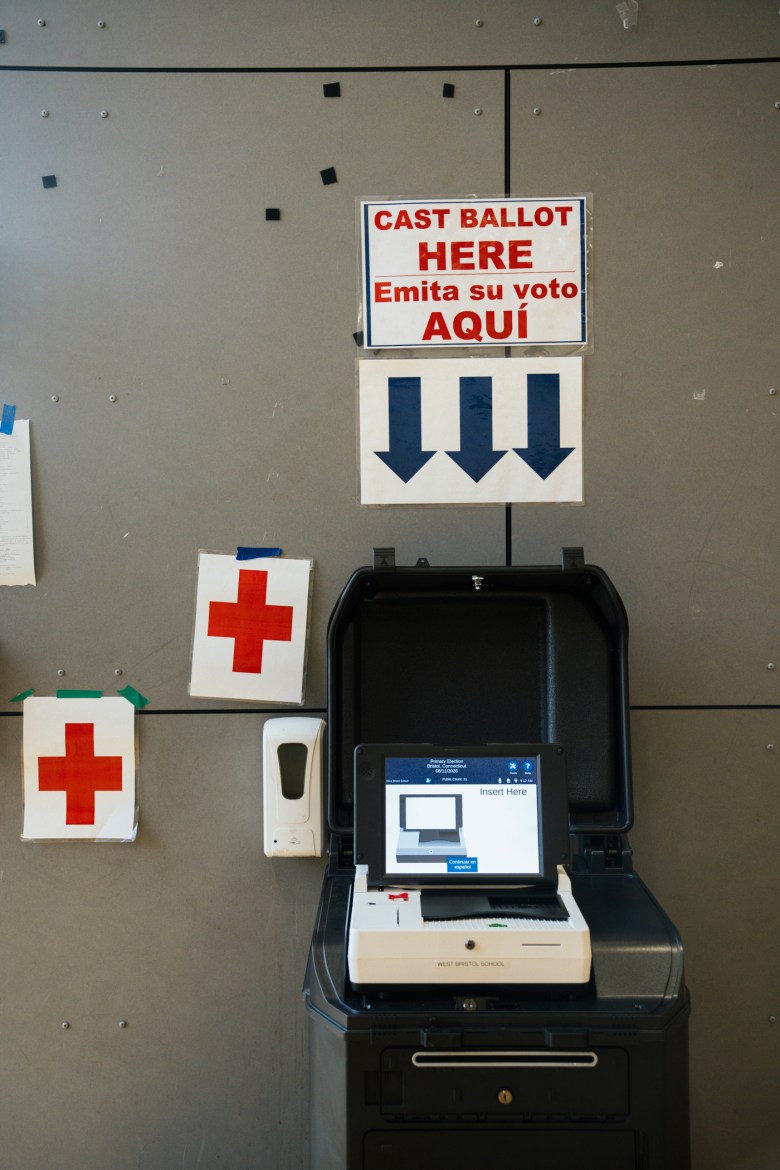
I graduated from South Windsor High School in 2025. This summer, I worked with the school’s paper, The Bobcat Prowl, to run a student civic engagement project.
Some fellow students and I have written a series of short, neutral summaries for today’s primaries, tailored to the voter who (perhaps like many of us) begins their research the night before, or on the day, they head to the ballot box. This narrowed our coverage to the Democratic primaries for the 1st Congressional District and Governor. We would have covered Republican primaries for these offices, but they were resolved in May.
I hope that, as a reader, you find these summaries at least helpful starting points to making an informed vote. We’ve worked to provide the best information we can—not to convince you to support any particular candidate. If you think we’ve fallen short in any way, please email me at info@south-windsor-voter-summaries.com!
- Bronin, Fortune, Gilchrest, and Larson’s Ideas for Immigration (Written by Emma Hennessey)
- Where Larson, Bronin, Glichrest, and Fortune Stand on Healthcare (Written by Deepshikha Paul)
- How Ned Lamont and Josh Elliott Plan to Lower Utility Costs (By Deepshikha Paul)
Harriet Jones, the Connecticut Mirror’s Student Voices editor, has graciously suggested that I add a synopsis of reflections and learnings we’ve had from this project in the following paragraphs.
Earlier this summer, I asked one of my high school administrators (someone I highly respect and admire) about sharing this opportunity to students through a group of teachers. They responded (with the best intentions) along the lines of: “You don’t want to be dealing with politics.”
And, I agree. Today’s politics feel nasty. By 2022, Pew Research found that around or more than two-thirds of Republicans and Democrats viewed members of the other party as close-minded, dishonest, and immoral. So, of course parents and mentors want to protect their students from politics. Also, what if the very presence of politics sparks conflict?
I’ll ask another question —perhaps one you have wondered, too— though it seems unrelated, at first. Why have students write summaries, when voters could have asked ChatGPT, instead?
These questions point to a shared theme. Politics is nasty. Politics should stay away from schools. Politics is perhaps only to be thought of the night before, or on the day of voting —to only be considered quickly, through a possibly three-minute AI-generated summary. This makes sense in today’s politics.
I started this project with the conviction that if we went to residents, and if we accommodated their schedules, that they would share their values and hopes in building a better society. I write this reflection with the belief that we can achieve a better politics. Discussion and disagreements —politics— about our values and hopes will be hard conversations, but we, as people, cannot walk away from having them.
When these questions first surfaced in my mind, I replayed the steps of our interviewing and drafting process, asking myself if they had been worth our effort and time.
- We mailed our community issues survey to 200 randomly selected voters, of which 7.5% responded. “Cold” mail surveys receive, on average, a 1% to 5% response rate.
- Students asked campaign managers, candidates, and other policymakers how each candidate’s ideas, perspectives, and background set them apart from the field.
- Students conversed with community members about their concerns, in a medium most convenient to them (email, text, or call).
- Students tailored their articles to voters, asking themselves: “Would a reader find this valuable? Can I convey this in fewer words?”
I think it’s been worth it. Each of these steps built a little more empathy, curiosity, critical thinking, thoughtfulness, and respect in my students. Keeping politics out of the classroom signals that adults do not think it can change for the better, so they have removed it entirely.
I’m not saying politics will be an easy discussion, or that it doesn’t stoke emotions. I’m saying that practicing politics —whether through objective reporting, or respectful, empathetic disagreements— is a discussion of who we are and our dreams for the future. I’m saying that we cannot prepare students for a responsibility we treat as a threat.
Has this project changed anything, though?
Maybe not noticeably, at first. The Bobcat Prowl plans to continue articles like this into the fall general elections. I hope this idea excites students and teachers at other high schools, and I’d be more than happy to help set up a similar initiative.
Roger Mao is a rising sophomore at Brown University. He mentored South Windsor High School students Emma Hennessey and Deepshikha Paul, writing for the school paper The Bobcat Prowl.