



As Council President and co-chair of the Quality of Life and Public Safety committee, I hear from Hartford residents every week about the same thing: they want their neighborhoods safe, and they want to know the tools we use to keep them safe aren’t being misused.
Automated license plate readers, or LPR technology, are part of that conversation, and Hartford residents deserve a straight explanation of how this tool works and how it should be governed.
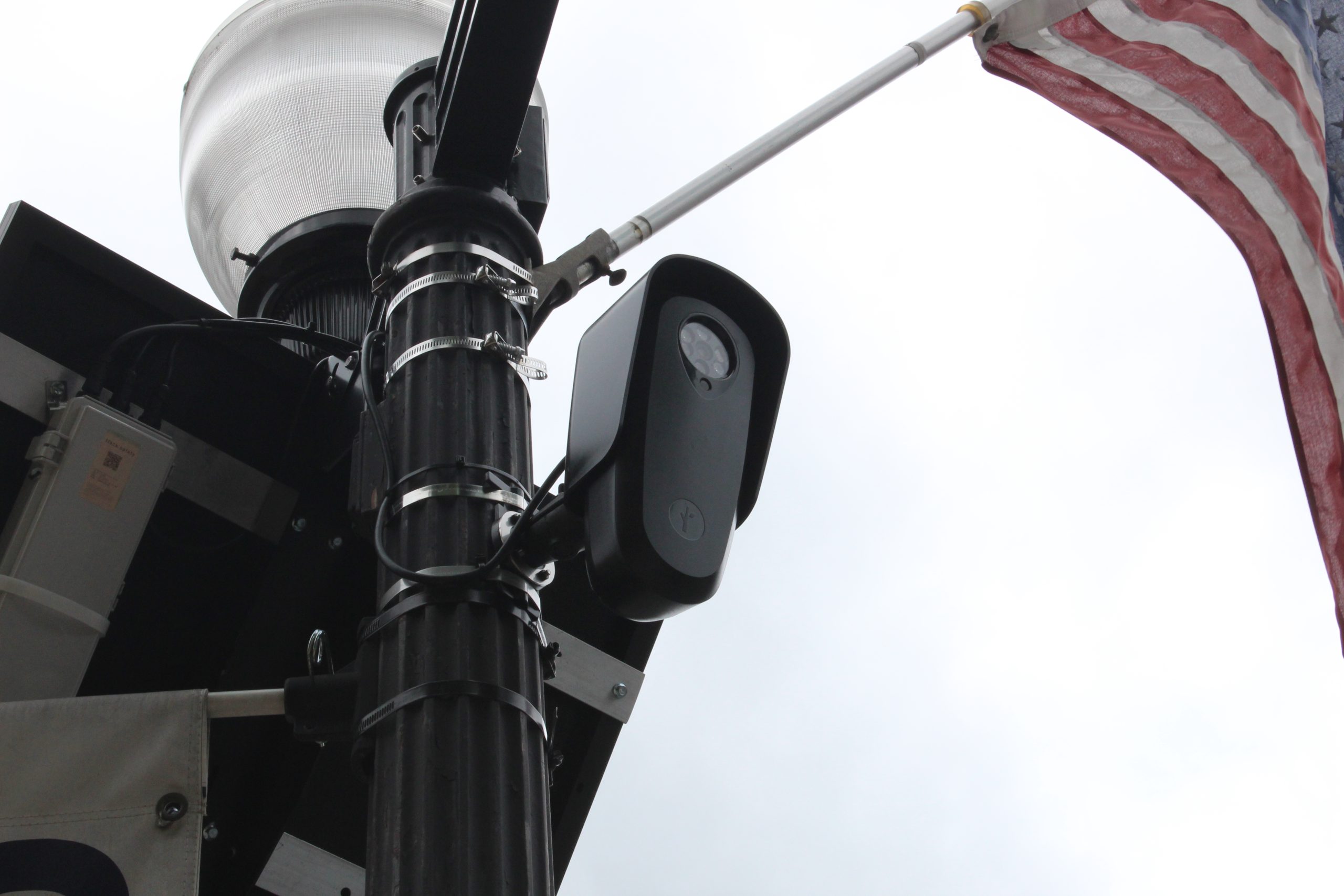
License plate reading cameras, whether mounted at fixed intersections or on patrol vehicles, photograph the license plate of every passing car and convert the image to text. That plate is checked against a database tied to stolen vehicles, active warrants, and AMBER or Silver Alerts. A match sends a real-time alert to an officer. No match means no one reviews the record.
This tool has already proven itself across our state. In Waterford, LPR cameras helped identify the suspect vehicle in an armed robbery at a credit union where two men held employees at knifepoint. In Windsor, an LPR alert on a stolen vehicle led officers to apprehend three suspects without incident, and a separate alert helped detectives connect a van to nearly $880,000 in stolen copper piping and electrical wiring.
In Southington, stolen vehicle reports dropped from 100 in 2023 to just 23 through 2025, a trend the department credits in part to its camera network. During an active AMBER Alert, an LPR hit on the Berlin Turnpike helped narrow the search for a missing child who was found safe hours later. LPR technology has created real results for communities, these results are not inconsequential.
Hartford residents are also right to ensure LPR is used with proper oversight. Statewide reporting raised concerns about how LPR data was accessed in connection with immigration enforcement. That kind of overreach is what erodes public trust in this technology. It is also why the state legislature barred police departments from sharing LPR data with agencies conducting immigration enforcement.
It is important to note sharing the data with other agencies is not always in relation to immigration. It is often used for missing person’s cases that have crossed state lines, often LPR being pivotal to identifying the location of the missing person.
LPR technology should be used by communities but with strong policies for data retention limits with automatic deletion of any record not tied to an open investigation. The Connecticut General Assembly worked hard to develop legislation for safeguards of the use, they developed a policy that balances the use of LPR to keep our communities safe, along with procedures to ensure its data is used responsibly.
Hartford can recover stolen cars, find missing children, and solve violent crimes with this technology. A strong local policy will make sure it is never turned against the residents it is meant to protect.
TJ Clarke is President of the Hartford City Council.