



For families, the end of summer can often seem like a never-ending to do list: enjoying the last pool and beach days, shopping for school supplies, and signing up for fall sports and after school activities. But for those in Connecticut’s life sciences community, back to school is also a reminder that protecting the next generation never pauses, and neither should our commitment to the science that keeps them safe.
As Connecticut families finish their summer breaks, allow me to offer an important reminder: vaccines are safe, effective, and backed by decades of rigorous scientific evidence.
Yet recent measles outbreaks across the country demonstrate how quickly vaccine-preventable diseases can return when vaccination rates decline. Many communities are still working to recover from the disruptions to routine healthcare during the COVID-19 pandemic, leaving some children behind on recommended vaccination schedules.
The consequences of falling behind are serious. Measles is not a minor childhood illness. It can cause pneumonia, brain swelling, permanent hearing loss, and in rare cases, death. With back-to-school season only a few days away, the window to act is now.
The good news is that the tools to protect our children are well-established and thoroughly tested. Vaccines undergo one of the most rigorous approval processes of any medical product. Before reaching patients, they are evaluated through years of research, clinical trials, and independent scientific review. Even after approval, they continue to be monitored through multiple safety systems designed to identify even the rarest potential concerns.
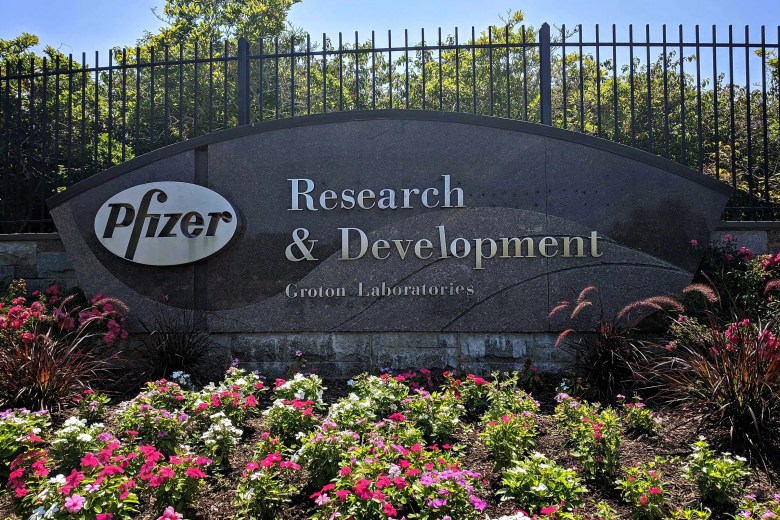
Connecticut’s own biopharmaceutical community has played an important role in advancing that science. Across our state, researchers, healthcare providers, manufacturers, and innovators work every day to develop treatments and technologies that improve and save lives. Their work is grounded in rigorous science, transparency, and an unwavering commitment to patient safety.
And yet, doubt persists, often fueled by misinformation that has been repeatedly disproven. Questions about vaccines are understandable, and science welcomes scrutiny. In fact, scientific progress depends on it. But after decades of research and millions of administered doses, the evidence remains clear that vaccines are one of the most successful public health interventions in history.
No issue better illustrates the importance of separating fact from fiction than the long-debunked claim linking vaccines to autism. The original study that sparked those concerns was retracted for serious ethical and scientific violations, and numerous large-scale studies conducted around the world have found no link between vaccines and autism. Yet the myth persists, highlighting how difficult it can be to rebuild trust once misinformation takes hold.
For parents navigating an increasingly complex information environment, there is a clear place to start. If you have questions about vaccines, ask your child’s pediatrician rather than social media. Use the start of the school year as an opportunity to schedule a wellness visit, review your child’s immunization record, and discuss any concerns with a trusted healthcare professional.
Connecticut’s life sciences community stands ready to help. They are your neighbors, your fellow parents, and your partners in building a healthier future. Connecticut families may be wrapping up their summer vacations, but the science that protects our children never takes a break.
Tony Sheridan is President of the Chamber of Commerce of Eastern Connecticut.